


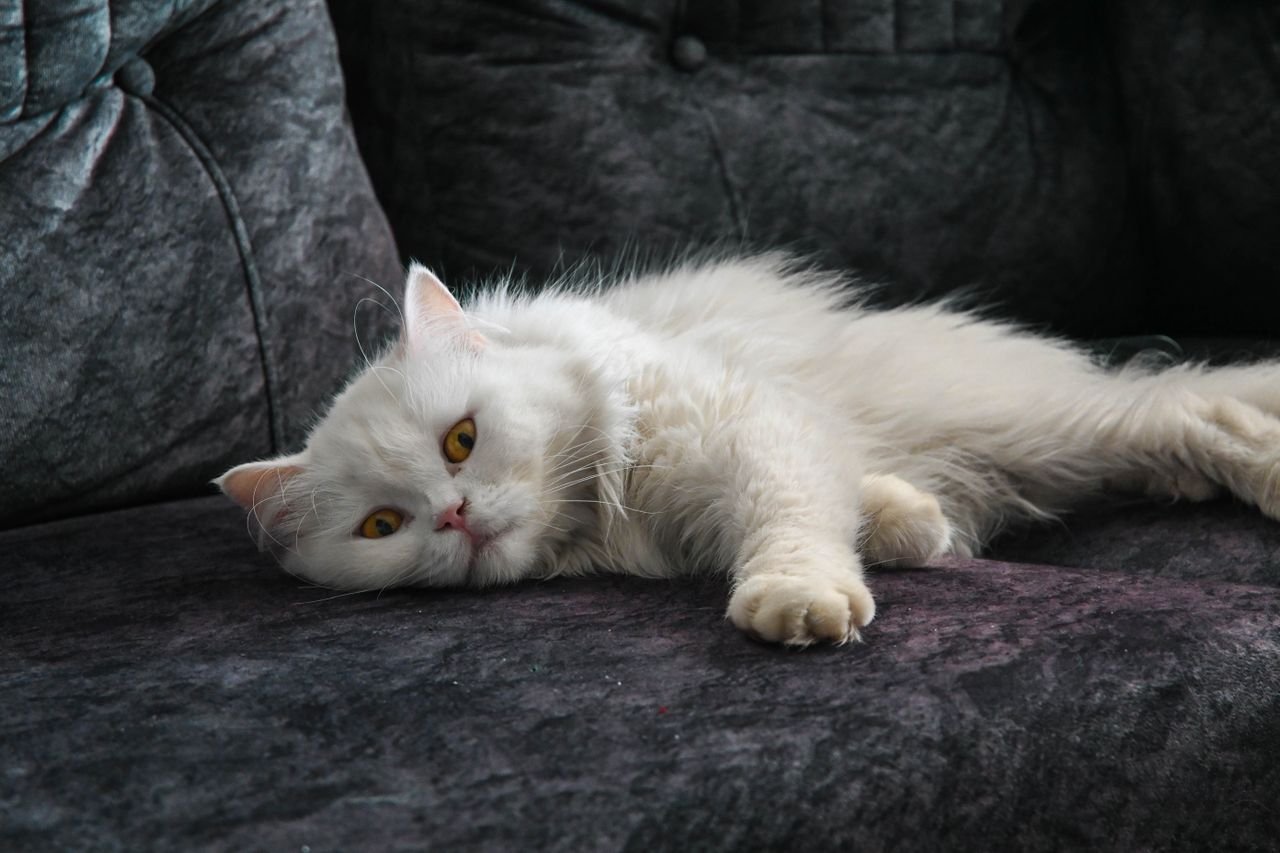

If you share your home with a cat, you share your home with cat hair. On your sofa, your clothes, your bedding, your coffee — seemingly everywhere simultaneously. Getting rid of cat hair is less about one big clean and more about a consistent routine that stops hair from accumulating faster than you can manage it.
This guide covers the best tools, techniques, and habits for keeping cat hair under control — on furniture, floors, clothing, and bedding.
Why Do Cats Shed So Much?
All cats shed — it is a normal, healthy process of replacing old or damaged hair with new growth. However, the amount varies significantly based on:
- Breed — long-haired breeds (Persian, Maine Coon, Ragdoll) shed dramatically more than short-haired breeds
- Season — most cats have two major shedding periods in spring and autumn as they transition between winter and summer coats
- Health — excessive shedding can indicate nutritional deficiency, stress, parasites, or hormonal issues. If shedding has increased suddenly and significantly, a vet check is worthwhile. See our my cat is sick guide for signs that shedding may be health-related
- Indoor vs outdoor — indoor cats with artificial lighting and constant temperatures may shed year-round rather than seasonally
- Diet — a high-quality diet with adequate omega-3 fatty acids reduces shedding by supporting coat health
Start at the Source — Regular Grooming
The most effective way to reduce cat hair around your home is to remove it from your cat before it falls everywhere. Regular brushing captures loose hair before it reaches your furniture and floors.
Frequency by coat type:
- Short-haired cats — once weekly
- Medium-haired cats — 2–3 times weekly
- Long-haired cats — daily brushing essential
Best grooming tools by coat type:
For short coats — a rubber grooming mitt or soft bristle brush removes loose hair effectively and most cats enjoy the process.
For long coats — a slicker brush followed by a metal comb reaches through the full coat. An undercoat rake during shedding season removes the dense undercoat before it falls as tumbleweeds across your floors.
For a full guide on grooming tools and technique, see our best dog grooming tools guide — the tool principles apply equally to cats.
Removing Cat Hair From Furniture
Upholstered Sofas and Chairs
Rubber glove method — dampen a rubber washing-up glove and run your hand across the fabric. The static and texture clumps cat hair into balls you can pick up easily. Inexpensive and surprisingly effective.
Lint roller — the classic solution. Keep one on every floor of your home. For high-shedding periods, use a large reusable lint roller rather than disposable tape versions.
Fabric softener spray — lightly mist upholstery with a mixture of water and a small amount of fabric softener, then wipe with a cloth. Reduces static that makes hair stick to fabric.
Velvet and microfibre — these fabrics attract and hold cat hair more than any other material. If you are choosing new furniture, consider tightly woven fabrics, leather, or faux leather — cat hair does not adhere to these surfaces and wipes off easily.
Leather and Faux Leather
Simply wipe with a slightly damp cloth — cat hair comes off leather surfaces very easily. No special tools needed.
Wooden and Hard Surfaces
Cat hair on hard furniture surfaces wipes away with a damp cloth. The problem on wood is usually the floor, not the furniture.
Removing Cat Hair From Floors
Hardwood and Tile Floors
A dry microfibre mop or electrostatic dust mop collects cat hair effectively without scattering it back into the air the way a broom does. Brooms push hair around; microfibre attracts and holds it.
For corners and edges where hair accumulates, a rubber broom with electrostatic properties is particularly effective — the rubber creates static that pulls hair toward the bristles.
Carpets and Rugs
Vacuuming is essential, but not all vacuums handle pet hair equally. Standard vacuums often push cat hair deeper into carpet pile rather than extracting it cleanly. Look for vacuums with:
- A motorised brush roll specifically designed for pet hair
- HEPA filtration — captures fine hair and dander particles that trigger allergies
- Good suction across different pile heights
Before vacuuming carpet — run a rubber squeegee or rubber-bristled brush across the carpet first. This brings deeply embedded hair to the surface where the vacuum can pick it up.
Removing Cat Hair From Clothing
Before Washing
- Use a lint roller or clothing brush before putting items in the wash — cat hair in the washing machine clogs filters and can transfer to other items
- Turn clothing inside out before washing — reduces surface hair pickup during the cycle
- Add a half cup of white vinegar to the rinse cycle — relaxes fabric fibres and releases trapped hair
In the Dryer
- Run clothing through a 10-minute tumble dryer cycle on low heat BEFORE washing — the heat and tumbling releases hair which collects in the lint filter
- Clean the lint filter after every cycle — a clogged filter with pet hair becomes a fire hazard
Prevention
- Keep one set of “cat clothes” — clothing you wear specifically when handling or sitting with your cat, changed before going out
- Store work clothes or special occasion clothing in a closed wardrobe — cat hair does not penetrate closed storage
- Use throws and blankets on chairs and sofas your cat uses — wash these regularly rather than cleaning the underlying furniture constantly
Removing Cat Hair From Bedding
Cats and beds are a combination that produces impressive quantities of hair in your sleeping environment. If your cat sleeps on your bed:
- Wash bedding weekly in hot water
- Use a duvet cover rather than a bare duvet — covers are easier to wash than duvets
- Tumble dry on high heat — heat kills dust mites as well as removing hair
- Use a lint roller on the top of the duvet before sleeping if your cat has been on the bed during the day
If allergies are a concern, keeping the cat out of the bedroom entirely is the most effective solution — though most cat owners find this easier said than done.
Air Quality — Dealing With Cat Dander
Cat hair itself is not usually the primary allergen — cat dander (tiny flakes of dead skin that coat the hair) is. Reducing airborne dander improves air quality and reduces allergy symptoms:
- Use a HEPA air purifier in rooms where your cat spends the most time
- Change HVAC filters more frequently than recommended — monthly in heavy-shedding homes
- Vacuum upholstered furniture weekly during heavy shedding periods
- Brush your cat outdoors when possible during peak shedding season
Building a Hair-Management Routine
The key to managing cat hair is consistency rather than intensive occasional cleaning. A simple daily and weekly routine prevents accumulation:
Daily (5 minutes):
- Quick lint roll of the sofa you use most
- Wipe hard floors with microfibre mop in main living areas
Weekly:
- Full vacuum of all carpets and rugs
- Brush your cat (more frequently during shedding season)
- Wash pet throws and blankets
- Wipe down upholstered furniture with rubber glove or damp cloth
Monthly:
- Wash bedding
- Clean HVAC and air purifier filters
- Deep clean under furniture where hair accumulates
How to Get Rid of Cat Hair — FAQ
Why does my cat shed more at certain times of year? Most cats have two major shedding seasons — spring (shedding winter coat) and autumn (shedding summer coat). Indoor cats with consistent lighting and temperature may shed more evenly year-round. Increased brushing during peak shedding periods dramatically reduces the amount that ends up on your furniture.
My cat is shedding much more than usual — should I worry? Sudden significant increase in shedding can indicate stress, nutritional deficiency, hormonal imbalance, parasites, or skin disease. If the change is notable and persistent, a vet check is worthwhile alongside adding the grooming and dietary measures above.
Does diet affect how much a cat sheds? Yes — significantly. A diet deficient in omega-3 fatty acids and quality protein produces a dull, brittle coat that sheds excessively. Feeding a high-quality complete cat food reduces shedding noticeably in most cats over 4–8 weeks. See our wet food vs dry food for cats guide for what to look for in cat food quality.
Can I reduce shedding with supplements? Omega-3 fatty acid supplements (fish oil) added to food reduce shedding and improve coat condition in many cats. Start with a small amount and increase gradually — too much fish oil causes loose stools. Always use a supplement specifically formulated for cats.
What is the best vacuum for cat hair? Look for a vacuum with a motorised brush roll, strong suction, and HEPA filtration. Dyson, Shark, and Miele all produce models specifically designed for pet hair that perform significantly better than standard vacuums on carpet-embedded fur.
Also read: Best Interactive Cat Toys | Wet Food vs Dry Food for Cats | My Cat Is Sick — Signs and When to See a Vet | How to Groom a Dog at Home