


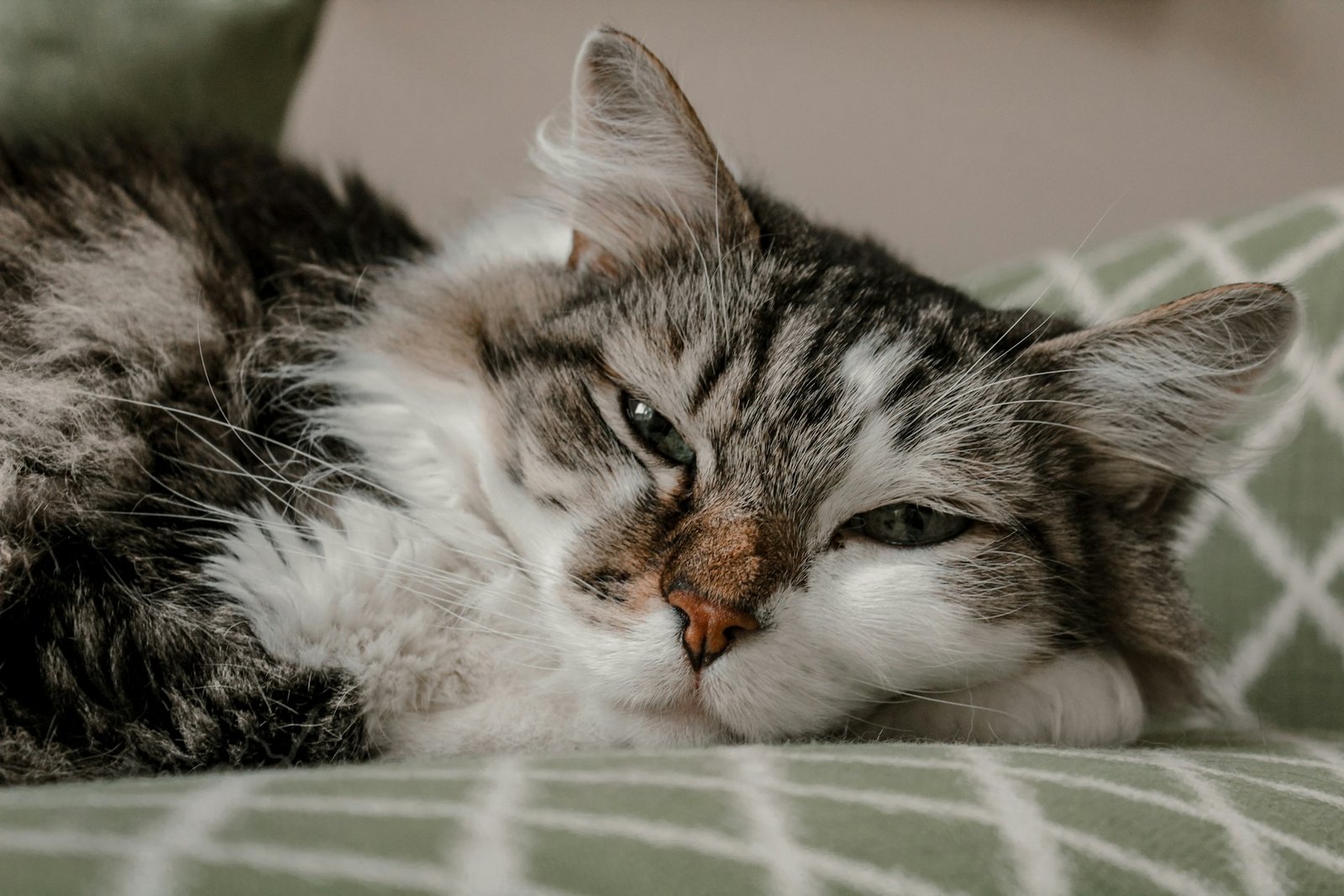

Cats are masters at hiding illness. By the time your cat looks obviously unwell, they have often been feeling off for longer than you realise. Knowing the early warning signs that your cat is sick — and understanding which symptoms need a vet visit today versus careful monitoring at home — can genuinely make the difference in how quickly your cat recovers.
Early Warning Signs Your Cat Is Not Well
These are subtle signals that something is off, even before your cat looks visibly ill:
- Hiding more than usual — a social cat suddenly disappearing under the bed is a common early illness sign
- Eating less or refusing food — any cat that skips more than one meal warrants attention
- Drinking more or less water than normal
- Grooming changes — either stopping self-grooming (coat looks dull or matted) or over-grooming one area
- Lethargy — less playful, sleeping more, not greeting you at the door
- Unusual vocalisations — crying, growling, or unusual sounds, especially when touched
- Sitting hunched with fur fluffed up — a classic sign of a cat in discomfort
Symptoms That Need a Vet the Same Day
Do not wait and monitor. Call your vet today if your cat shows:
- Vomiting more than twice in 24 hours
- Diarrhoea lasting more than 24 hours, or with blood
- Straining in the litter box — especially male cats (this can be life-threatening)
- Visible difficulty breathing, open-mouth breathing, or rapid shallow breaths
- Not eaten for more than 24 hours
- Pale, white, blue, or yellow gums
- Obvious pain — crying when touched, unable to get comfortable
- Suspected injury — limping, swelling, wound, or fall from height
- Seizures or collapse
- Blood in urine, stool, or vomit
Symptoms That Need a Vet Within 48 Hours
These are concerning but not usually emergencies if your cat is otherwise stable:
- Sneezing repeatedly for more than 2 days
- Watery or discharge-filled eyes
- Mild coughing
- Slight decrease in appetite with normal behaviour otherwise
- Low-grade lethargy without other symptoms
- Mild limping without obvious swelling or wound
Emergency vs Regular Vet — Which to Call?
Call an emergency vet immediately if your cat:
- Cannot breathe properly
- Has collapsed or cannot stand
- Is actively seizing
- Is a male cat straining to urinate with nothing coming out
- Has been in a road accident or serious fall
Call your regular vet for everything else — book the earliest available appointment and describe symptoms clearly over the phone. Most vets will triage over the phone and advise on urgency.
Common Cat Illnesses by Symptom
| Symptom | Possible Causes |
|---|---|
| Sneezing + runny nose | Upper respiratory infection (cat flu) |
| Vomiting + lethargy | Gastroenteritis, hairballs, poisoning |
| Drinking excessively | Diabetes, kidney disease, hyperthyroidism |
| Weight loss | Hyperthyroidism, kidney disease, cancer, parasites |
| Straining to urinate | Urinary blockage, UTI, crystals |
| Hiding + not eating | Pain, infection, stress |
| Yellow skin or gums | Jaundice — liver or red blood cell problem |
| Coughing | Asthma, heartworm, respiratory infection |
What to Do While Waiting for the Vet
- Keep your cat warm, quiet, and in a confined, safe space
- Do not give human medication — paracetamol (acetaminophen) and ibuprofen are both toxic to cats, even in tiny amounts
- Note when symptoms started, how they have progressed, and any changes in eating, drinking, or litter box use — your vet will ask
- If your cat has vomited, keep a sample if possible — unpleasant but genuinely useful for diagnosis
- If you suspect poisoning, bring the suspected substance or packaging to the vet
Keeping Your Cat Healthy — Prevention Basics
- Annual vet checks even when your cat seems well — many conditions are caught early this way
- Keep vaccinations current — see our full guide on cat vaccines for what your cat actually needs and when
- Parasite prevention — regular flea and tick treatment year-round
- Weight management — obesity is one of the most common preventable health issues in cats. See our best cat food for weight loss guide
- Dental care — dental disease affects the majority of cats over three years old and causes real pain if left untreated
My Cat Is Sick — FAQ
How do I know if my cat is seriously ill or just having an off day? The clearest signals of serious illness are: not eating for over 24 hours, hiding persistently, obvious pain or discomfort, breathing changes, or litter box problems — particularly in male cats. An off day usually means mild quietness with normal eating and normal litter box use.
Should I wait and see or go straight to the vet? If in doubt, call your vet and describe what you are seeing. Most vets are happy to advise over the phone whether the situation warrants a same-day visit. It is always better to make the call.
Can cats hide illness even from their owners? Yes — this is one of the most important things cat owners need to understand. Cats instinctively hide weakness as a survival behaviour. By the time illness is obvious, it has often been present for some time. Regular vet checks and close attention to subtle behaviour changes help catch things early.
My cat is not eating but seems fine otherwise — should I worry? Any cat that refuses food for more than 24 hours should be seen by a vet. Cats that stop eating can develop hepatic lipidosis (fatty liver disease) relatively quickly — unlike dogs, cats cannot safely fast for extended periods.
If your cat is showing any of the serious symptoms listed above, please contact your vet or an emergency animal hospital now rather than searching for more information online.
Also read: Why Is My Cat Losing Weight | How to Tell If Your Cat Is in Pain | Best Cat Food for Weight Loss | How Long Do Cats Live