
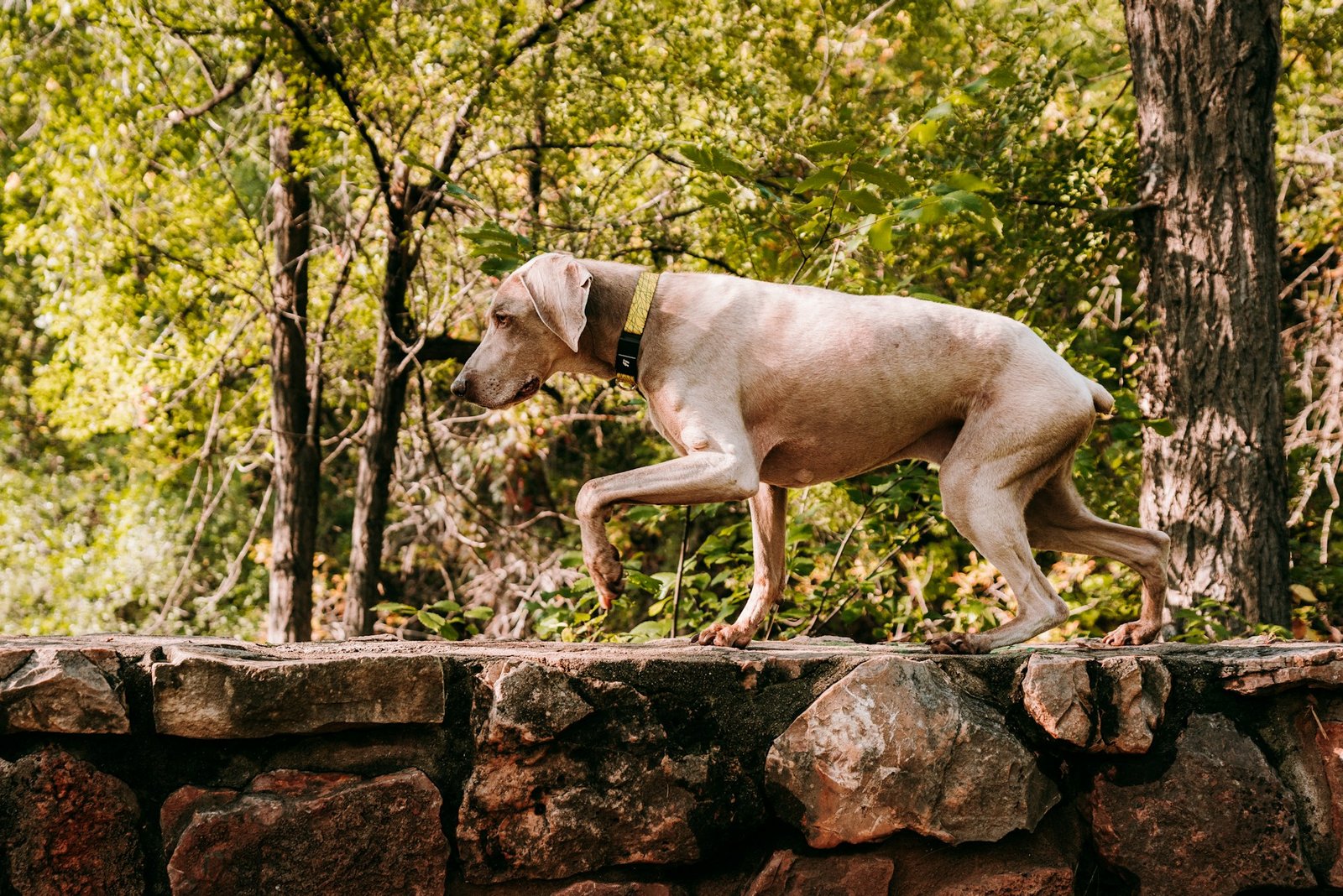

A limping dog is one of the most common reasons owners call the vet — and one of the most varied in terms of how serious it actually is. A mild limp after a long walk is very different from a dog that suddenly cannot bear any weight on a leg. Knowing the difference between “monitor at home” and “emergency vet now” is what this guide is about.
Types of Limping — Gradual vs Sudden
The first thing to establish is whether the limp came on gradually or suddenly. This single piece of information narrows the cause significantly.
Sudden onset limping — appeared within minutes or hours. Usually caused by an acute injury — a sprain, a cut on the paw, a thorn, a fracture, or a dislocation. Needs prompt attention.
Gradual onset limping — developed over days or weeks, possibly getting slowly worse. More commonly caused by a chronic condition — arthritis, hip dysplasia, a growing tumour, or a developing joint problem. Less immediately urgent but still needs veterinary assessment.
Common Causes of Limping in Dogs
Paw Injuries
The most common and most easily missed cause. Before assuming a joint or bone problem, check the paw carefully:
- Part the fur between the toes and check for cuts, thorns, grass seeds, or foreign objects
- Check the paw pads for cuts, burns, or cracking
- Check between the toes for swelling, redness, or signs of infection
- Check the nails — a broken or overgrown nail digging into the pad is a common cause of sudden limping
Many limps that appear serious resolve completely once a thorn or small stone is removed from the paw.
Sprains and Soft Tissue Injuries
Dogs sprain ligaments and strain muscles just like humans — jumping, sudden changes of direction, or a misstep on uneven ground can all cause soft tissue injuries. These typically cause mild to moderate limping that improves with rest over 24–48 hours.
Fractures
A broken bone causes sudden, severe lameness — the dog typically refuses to bear any weight on the affected leg. See our cat broken leg guide for first aid principles that apply equally to dogs — and get to the vet immediately.
Hip Dysplasia
A developmental condition where the hip joint does not form correctly, causing gradual deterioration and arthritis. Very common in large and giant breeds — Labradors, German Shepherds, Golden Retrievers, and Rottweilers are particularly affected. Signs include:
- Gradual onset rear leg lameness
- Reluctance to exercise, climb stairs, or jump
- A “bunny hopping” gait when running
- Stiffness after rest that improves with movement
Arthritis (Osteoarthritis)
The most common cause of chronic limping in older dogs. Joint cartilage gradually breaks down, causing pain, stiffness, and lameness. Typically worse after rest and in cold weather, better after gentle movement. Affects any joint but hips, elbows, and knees are most common. See our how to care for a senior dog guide for managing arthritis in older dogs.
Elbow Dysplasia
Similar to hip dysplasia but affecting the elbow joint. Common in large breeds. Causes front leg lameness, typically in young dogs aged 4–18 months.
Cruciate Ligament Rupture (CCL/ACL Tear)
The cranial cruciate ligament in the knee (stifle) is one of the most commonly injured structures in dogs. Rupture causes sudden, severe rear leg lameness — the dog often holds the leg up completely. Surgical repair is usually required. Overweight dogs are at significantly higher risk — see our how to help a dog lose weight guide for weight management guidance.
Patellar Luxation
The kneecap slips out of position — common in small breeds (Chihuahuas, Pomeranians, Bichon Frise). Causes intermittent lameness — the dog may skip for a few steps then return to normal as the kneecap pops back. Mild cases are managed conservatively; severe cases require surgery.
Lyme Disease
Tick-borne Lyme disease causes joint inflammation and lameness — often shifting between different legs. Accompanied by fever, lethargy, and swollen lymph nodes. A history of tick exposure is an important clue. See our tick treatment for dogs guide for prevention.
Bone Cancer (Osteosarcoma)
Less common but important not to miss — particularly in large and giant breeds. Causes progressive, severe lameness alongside swelling at the affected site. Pain is disproportionately severe. Any large breed dog with worsening lameness and localised swelling needs urgent veterinary assessment.
Which Leg Is It? — Front vs Rear
Front leg limping — the dog nods their head DOWN when the good leg hits the ground (to shift weight off the painful leg).
Rear leg limping — the dog’s hip rises UP on the painful side when that leg takes weight.
Identifying which leg is affected and whether it is front or rear helps your vet narrow down the cause before they even examine the dog.
When to Go to the Vet
Go to an emergency vet immediately if:
- Your dog cannot bear any weight on the leg at all
- There is visible bone, severe swelling, or an open wound
- The leg is at an obviously abnormal angle
- Your dog is in severe pain — crying, cannot get comfortable
- Limping followed a road accident or serious fall
- Gums are pale — sign of shock
See the vet same day if:
- Sudden onset limping that has not improved after 2–3 hours of rest
- You can see a wound, swelling, or heat in the leg or joint
- Your dog is also lethargic, not eating, or feverish
- A large or giant breed dog with sudden rear leg lameness — cruciate rupture is common and painful
Monitor at home for 24 hours if:
- Mild limp with no swelling, wound, or severe pain
- Your dog is still bearing some weight
- The limp appeared after strenuous exercise and your dog is otherwise well
If it has not improved after 24 hours of rest, book a vet appointment.
First Aid for a Limping Dog at Home
While assessing and monitoring at home:
- Restrict activity — no running, jumping, or stairs
- Check the paw thoroughly for foreign objects
- Apply a cold compress (towel wrapped ice pack) for 10–15 minutes to any visibly swollen joint — never apply ice directly to skin
- Do not give human pain medication — ibuprofen, paracetamol, and aspirin are all toxic to dogs
Preventing Limping and Joint Problems
- Maintain a healthy weight — excess weight dramatically accelerates joint wear and increases cruciate injury risk
- Feed a joint-supportive diet with adequate omega-3 fatty acids
- Use joint supplements for at-risk breeds from middle age onwards
- Regular, moderate exercise — consistent low-impact activity maintains joint health better than occasional intense exercise
- Keep nails trimmed — overgrown nails alter gait and increase joint stress over time
- Annual vet checks — early detection of hip dysplasia, elbow dysplasia, and arthritis allows management before symptoms become severe
My Dog Is Limping — FAQ
My dog was limping last night but seems fine this morning — do I still need the vet? If your dog is bearing full weight and shows no pain on the leg this morning, monitor closely for 24–48 hours. A limp that resolves completely after rest is often a minor soft tissue injury. If it returns after activity, book a vet appointment.
My dog limps only after rest, then improves with movement — what does this mean? This pattern — stiffness after rest that warms up with gentle movement — is classic arthritis. It is worth discussing with your vet, who can confirm the diagnosis and discuss pain management options.
Can a dog limp from anxiety or attention-seeking? Genuine psychological lameness is extremely rare in dogs. Do not assume a limp is behavioural — have a physical cause ruled out first.
My puppy is limping — is this different from adult limping? Puppies of large breeds can develop growth-related joint conditions (panosteitis, osteochondrosis) that cause shifting leg lameness during growth. Any limping puppy should be seen by a vet — growing bones need different assessment than adult bones.
How do vets diagnose the cause of limping? Physical examination, joint manipulation, and X-rays are the primary diagnostic tools. Force plate analysis (measuring weight distribution across all four limbs) is used in specialist settings. Blood tests are added if infectious or inflammatory causes are suspected.
Also read: How to Care for a Senior Dog | How to Help a Dog Lose Weight | Tick Treatment for Dogs | My Dog Is Not Eating