
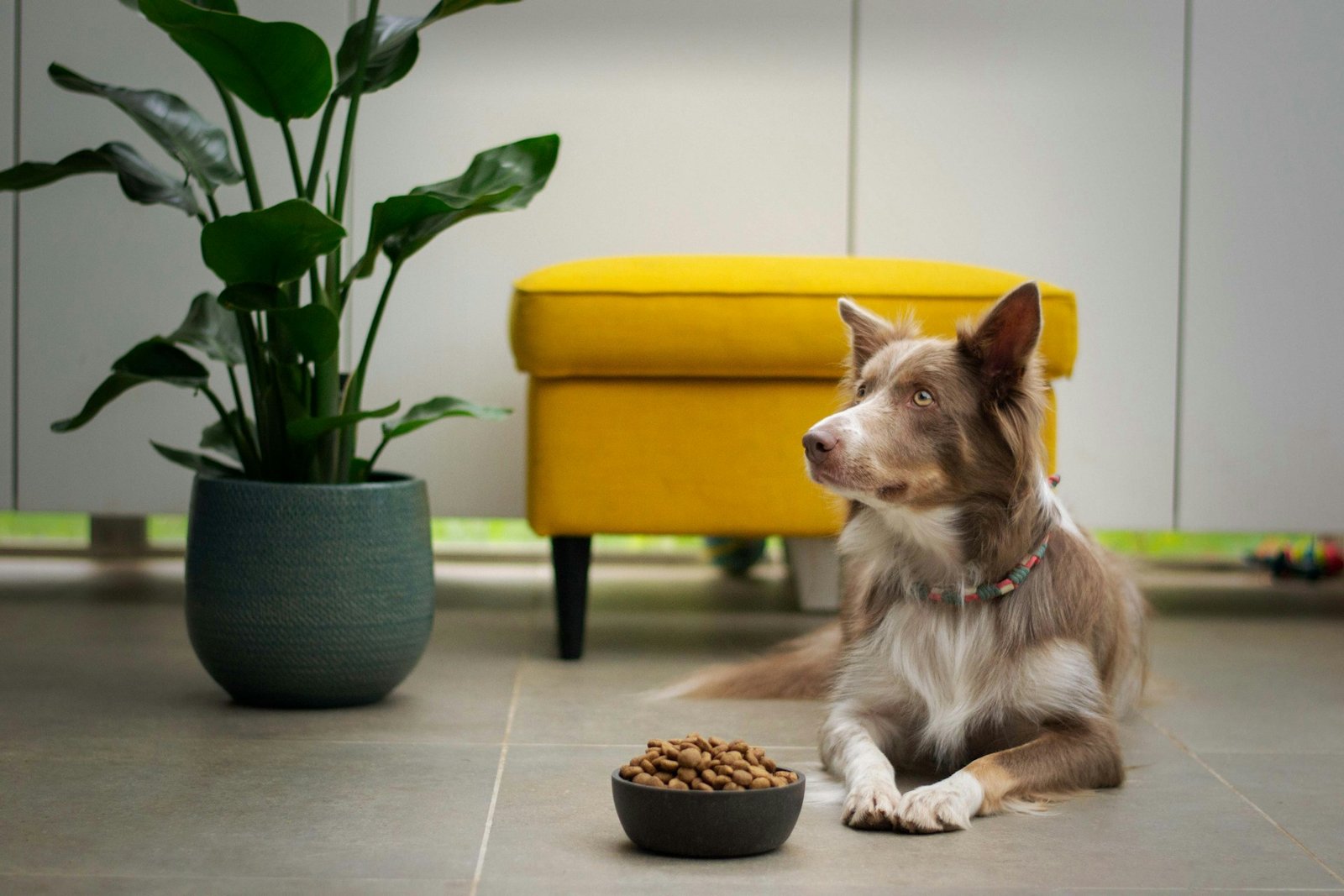

A dog that won’t eat is one of the most common concerns pet owners face — and one of the most varied in terms of what it actually means. Sometimes it is nothing. Sometimes it is serious. Knowing the difference is what this guide is about.
Is It Actually a Problem?
First, some perspective. A healthy dog skipping one meal is rarely cause for alarm. Dogs are not obligated to eat on a human schedule, and mild appetite dips happen for completely benign reasons — stress, a change in routine, hot weather, or simply not being hungry.
Start worrying when:
- Your dog has not eaten for more than 24 hours
- Skipped meals are accompanied by other symptoms — vomiting, lethargy, diarrhoea, or pain
- Your dog is a puppy, senior, or has an existing health condition — these groups have less reserve and deteriorate faster
- Your dog is drinking much more or much less water than usual alongside not eating
Common Reasons Dogs Stop Eating
Illness or Pain
The most important cause to rule out. A dog in pain or feeling unwell will often stop eating before showing any other obvious signs. Dental pain, stomach upset, infections, and organ problems all commonly cause appetite loss. If your dog seems quiet or uncomfortable alongside not eating, see the vet.
Stress or Anxiety
Dogs are sensitive to changes in their environment. Moving house, a new pet, a new baby, changes to the household routine, a thunderstorm, or fireworks can all temporarily suppress appetite. This type of appetite loss usually resolves within 1–2 days as your dog adjusts. Our dog anxiety guide covers the signs of stress-related behaviour in more detail.
Food Issues
- New food introduced too quickly — sudden diet changes cause digestive upset and food refusal. Always transition gradually over 7–10 days. See our approach to food transitions in our how much should I feed my dog guide
- Food has gone off — dry food that has been open too long, or wet food left out, can smell or taste wrong to your dog even if it looks fine to you
- Food boredom — some dogs, particularly small breeds, go through phases of refusing a food they have eaten happily for months
- The bowl — some dogs refuse to eat from metal bowls due to noise sensitivity, or from bowls placed near something that makes them uncomfortable
Vaccinations
A mild drop in appetite in the 24–48 hours after vaccination is normal and expected. See our kitten vaccine schedule — the same principle applies to dogs after their boosters.
Medications
Some medications — particularly antibiotics and anti-inflammatories — cause nausea and appetite suppression as side effects. If your dog stopped eating shortly after starting a new medication, let your vet know.
Picky Eating Learned Over Time
Some dogs learn that refusing food produces something better — a different food, table scraps, treats. This is particularly common in small breeds and in households where owners regularly top up or replace food when the dog walks away. Once a dog learns this strategy, it becomes habitual.
When to Call the Vet
Call the vet same day if your dog:
- Has not eaten for more than 24 hours and is also lethargic, vomiting, or in pain
- Is a puppy who has skipped more than one meal
- Has a known health condition and has stopped eating
- Is showing signs of abdominal pain — hunching, guarding the belly, restlessness
Book an appointment within 48 hours if:
- Your dog has not eaten for 24 hours but seems otherwise normal
- Appetite loss has been gradual over several days
- Your dog is losing weight alongside reduced appetite
Go to an emergency vet if:
- Your dog is a large or deep-chested breed (Great Dane, German Shepherd, Labrador) and is not eating alongside retching without vomiting and a distended abdomen — this could be bloat (GDV), a life-threatening emergency
How to Encourage a Dog to Eat
If your dog has missed a meal and there is no obvious illness, these approaches often help:
Warm the food slightly — heating wet or dry food briefly releases aroma and makes it significantly more appealing to a dog with a reduced appetite.
Add a topper — a small amount of low-sodium chicken broth, a spoonful of plain cooked chicken, or a small amount of wet food mixed into dry food often tempts a reluctant eater.
Remove the bowl after 15–20 minutes — do not leave food down all day. Pick it up, offer again at the next meal. This prevents grazing habits and makes your dog understand that meals have a time limit.
Rule out the bowl itself — try a different material (ceramic instead of metal) or a different location.
Skip one meal intentionally — a genuinely hungry dog will eat. If your dog refuses food even when genuinely hungry, that tells you something important and the vet needs to know.
What NOT to Do
- Do not keep offering different foods every time your dog refuses — this teaches picky eating and makes the problem worse
- Do not give table scraps to tempt eating — this rewards food refusal with something better
- Do not assume it will always resolve on its own — appetite loss for more than 24 hours in an otherwise unwell dog always needs veterinary attention
- Do not fast your dog intentionally without veterinary guidance — unlike some animals, dogs should not go extended periods without food
Helping a Dog Lose Weight vs Not Eating Enough
There is an important difference between a dog on a controlled diet eating less by design, and a dog refusing food unexpectedly. If you are actively managing your dog’s weight, our how to help a dog lose weight guide covers safe calorie reduction that does not involve your dog feeling unwell.
My Dog Is Not Eating — FAQ
My dog is not eating but is drinking water — should I worry? Drinking normally while not eating is a better sign than refusing both. However, if not eating persists beyond 24 hours, a vet check is still warranted. Increased drinking alongside not eating can indicate kidney disease, diabetes, or other metabolic conditions.
My dog only eats if I hand feed them — is this normal? This is a learned behaviour, not a medical problem. Some dogs develop hand-feeding dependency when owners begin hand feeding during an illness episode and continue afterwards. Gradually transition back to bowl feeding by placing food in the bowl and stepping back.
My dog stopped eating after we got a new pet — will this pass? Usually yes. New pet introductions are stressful and appetite suppression is a common short-term response. Ensure your dog has a safe, quiet space to eat away from the new animal. See our how to introduce a dog to a cat guide for managing multi-pet introductions.
My puppy is not eating — how urgent is this? More urgent than in an adult dog. Puppies have less energy reserve and can become hypoglycaemic (low blood sugar) if they skip meals. Any puppy refusing more than one meal should be seen by a vet the same day.
Can I give my dog Pepto-Bismol or other human stomach remedies? No — not without specific veterinary guidance. Some human medications are toxic to dogs. If you suspect your dog has an upset stomach, plain boiled chicken and white rice is a safe, bland option for 24 hours while monitoring.
Menu placement: DOG → Dog Health
Also read: Dog Anxiety — Signs, Causes and Treatments | How Much Should I Feed My Dog | How to Help a Dog Lose Weight | Separation Anxiety in Dogs