
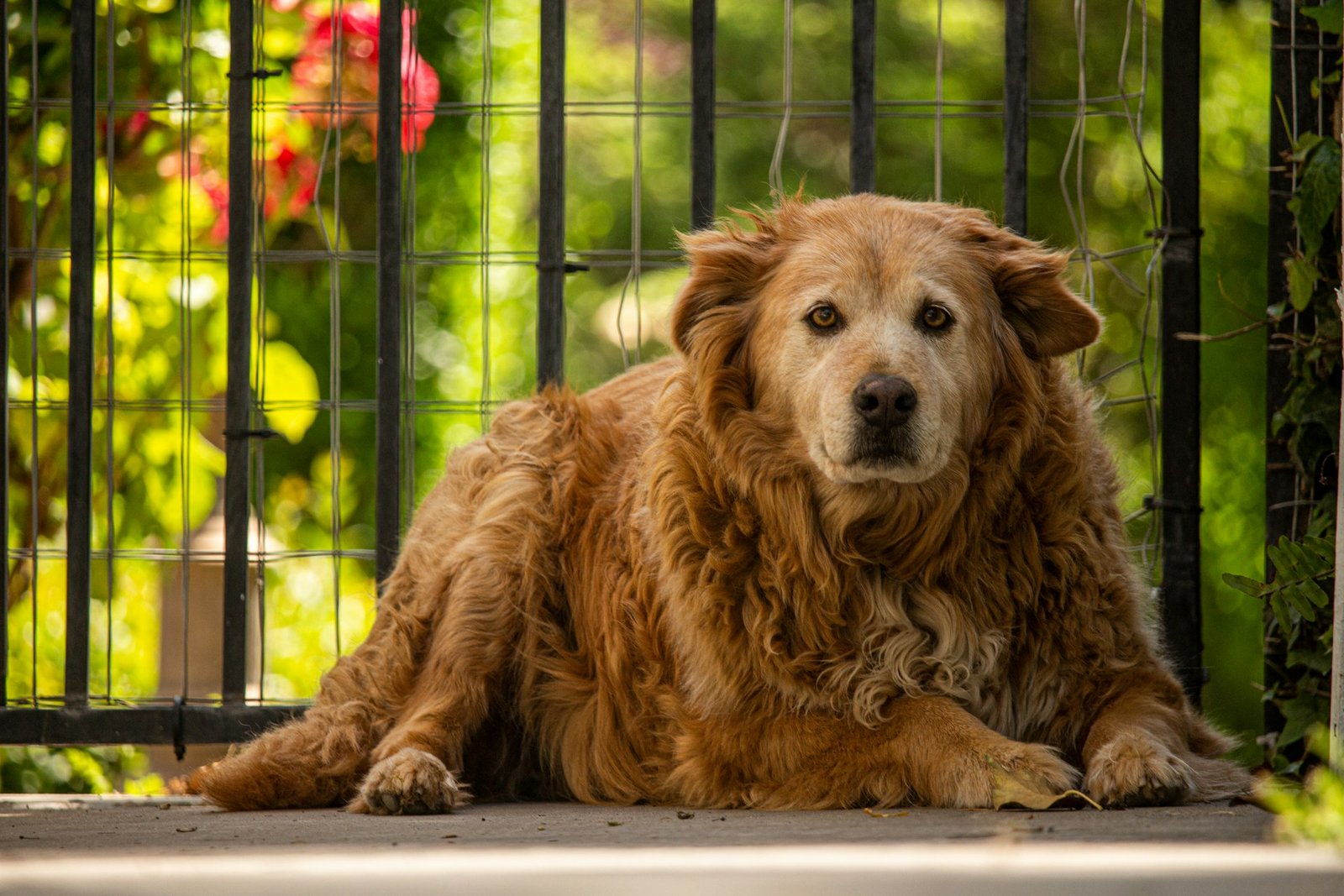

Your vet has said the words. Or maybe you have noticed it yourself — your dog has no visible waist, their ribs are buried under padding, and they have slowed down on walks. You want to help, but you are not sure where to start.
The good news is that how to help a dog lose weight is a question with clear, practical answers. Dog obesity is one of the most common and most treatable health problems in pets — and with the right approach, most dogs can reach a healthy weight within 3–6 months.
This guide covers everything: how to tell if your dog is overweight, what to feed them, how much to cut back, what exercise works best, and the mistakes that keep dogs fat despite their owners’ best efforts.
Why Dog Weight Loss Matters
Carrying excess weight is not just a cosmetic issue for dogs. The health consequences are serious and well-documented:
- Shortened lifespan — studies show overweight dogs live up to 2.5 years less than lean dogs of the same breed
- Joint disease and arthritis — every extra kilogram puts approximately 4–5 kilograms of additional pressure on joints
- Diabetes — obesity is the leading risk factor for canine diabetes
- Breathing difficulties — especially in brachycephalic breeds (Bulldogs, Pugs, French Bulldogs)
- Heart disease — excess fat strains the cardiovascular system
- Increased anaesthetic risk — overweight dogs have significantly higher surgical complications
- Reduced mobility and quality of life — an overweight dog cannot run, jump, or play the way they should
The good news: most of these risks reduce significantly as the dog reaches a healthy weight. Weight loss is one of the highest-impact interventions you can make for an overweight dog’s health and longevity.
Is My Dog Overweight? How to Check
Do not rely on how your dog looks alone — thick coats can hide obesity in some breeds. The body condition score (BCS) is the most reliable home assessment.
The rib test: Place both thumbs on your dog’s spine and spread your fingers across the ribcage. Apply light pressure.
| What You Feel | Body Condition | Verdict |
|---|---|---|
| Ribs feel like sharp knuckles on a clenched fist | BCS 1–2 | Underweight |
| Ribs felt easily with light pressure, slight fat covering | BCS 3–4 | Lean — ideal |
| Ribs felt with moderate pressure | BCS 5 | Ideal |
| Have to press firmly to find ribs | BCS 6–7 | Overweight |
| Cannot feel ribs through thick fat padding | BCS 8–9 | Obese |
From above: A healthy dog has a visible waist when viewed from above — a distinct narrowing behind the ribcage. An overweight dog looks rectangular or oval.
From the side: A healthy dog has a slight abdominal tuck — the belly rises slightly toward the back legs. An overweight dog has a flat or rounded belly that hangs down.
If your dog’s BCS is 6 or above, a weight loss plan is warranted. A BCS of 8–9 (obese) warrants an immediate vet consultation before starting any diet.
Step 1 — Get a Vet Check First
Before changing your dog’s diet significantly, a vet visit rules out medical causes of weight gain. Conditions including hypothyroidism, Cushing’s disease, and certain medications (particularly steroids) cause weight gain that does not respond to diet alone.
If a medical condition is identified, treating it is step one. Dietary changes alone will not produce meaningful weight loss in a dog with untreated hypothyroidism, for example.
If your dog gets a clean bill of health, you have a straightforward caloric management challenge to work with.
Step 2 — Calculate How Much to Feed
The most common cause of dog obesity is simple overfeeding — often compounded by treats on top of already oversized meals.
The key rule: Feed based on your dog’s target weight, not their current weight.
If your Labrador currently weighs 40kg and their ideal weight is 32kg, calculate portions for a 32kg dog — not a 40kg dog. Feeding based on current weight when a dog is obese perpetuates the excess.
How to find target weight: Your vet can advise the ideal weight range for your dog’s breed, age, and frame. A rough guide is the weight at which you could easily feel (but not see) their ribs.
How much to cut: Start by reducing current intake by 20–25%. For most dogs, this creates enough of a caloric deficit to produce safe, gradual weight loss of 1–2% of body weight per week.
Avoid cutting more than 25–30% at once — extreme restriction causes muscle loss alongside fat loss, and can trigger food-guarding behaviour and anxiety in dogs who feel chronically hungry.
Step 3 — Choose the Right Food
Weight Management Dog Foods
A weight management dog food is specifically formulated to reduce caloric density while maintaining nutritional completeness. They achieve this through:
- Higher fibre content — keeps the dog feeling fuller on fewer calories
- Lower fat content — fat has more than twice the calories per gram of protein or carbohydrate
- Maintained protein levels — preserves muscle mass during weight loss
- L-carnitine supplementation — an amino acid that supports fat metabolism
Over-the-counter options like Hill’s Science Diet Perfect Weight, Purina Pro Plan Weight Management, and Royal Canin Indoor are good starting points for mildly overweight dogs.
For significantly overweight or obese dogs, prescription weight management foods — Hill’s Prescription Diet Metabolic and Royal Canin Satiety Support — are clinically proven to produce greater weight loss than standard diets and are worth discussing with your vet.
What to Avoid
Grain-free diets are not weight loss diets. Many grain-free foods are higher in fat and calories than standard formulas. Unless your dog has a specific grain sensitivity, grain-free does not help with weight loss.
Cheap budget foods often have lower protein and higher carbohydrate content, which makes managing weight harder. A higher-quality food fed in the correct amount often produces better weight loss results than a larger volume of cheap food.
Can I Use Homemade Food for Dog Weight Loss?
Yes — but carefully. Homemade weight loss diets for dogs are easy to get wrong, either producing caloric restriction that is too severe or creating nutritional imbalances. If you want to use home-cooked food for your dog’s weight loss, consult a veterinary nutritionist for a properly balanced recipe. Our complete guide on best dog food for allergies covers food selection principles that apply equally to weight management diets.
Step 4 — Measure Portions Accurately
The single biggest change most overweight dog owners can make is switching from eyeballing portions to measuring them precisely.
Research consistently shows that people underestimate how much they feed their dogs by 10–30% when estimating rather than measuring. Over days and weeks, this compounds into significant caloric excess.
Use a digital kitchen scale rather than cup measurements. A cup of kibble can vary by 20–30% in actual weight depending on how it is scooped. Weighing eliminates this variable entirely.
Weigh treats separately and include them in the daily caloric total. A single dental chew can contain 70–150 calories. Three small training treats add another 20–40 calories. For a small dog on a weight loss diet, this can represent a significant portion of their daily allowance.
Step 5 — Cut Treats Strategically
Treats are where most weight loss plans quietly fall apart. Owners reduce the main meal, feel virtuous about it, and then hand out treats throughout the day that undo the deficit entirely.
The 10% rule: Treats should account for no more than 10% of daily caloric intake. For a dog on a 400-calorie-per-day weight loss diet, that is just 40 calories worth of treats — roughly 3–4 small training treats.
Swap high-calorie treats for low-calorie alternatives:
- Raw carrot sticks — most dogs love them and they are extremely low calorie
- Plain rice cakes broken into small pieces
- Small pieces of plain cooked chicken breast (no skin, no seasoning)
- Cucumber slices
- Green beans — surprisingly popular with dogs
Use the dog’s daily food ration as treats. If you are training during a walk or practicing sits, take a handful of their measured daily kibble and use it as reward treats. This way treats are already included in the daily total.
For full guidance on training treats that are low-calorie and high-value, read our best dog training treats guide — many of the smallest, softest options there are ideal for weight loss dogs.
Step 6 — Increase Exercise Correctly
Exercise alone rarely produces meaningful weight loss in dogs — the caloric burn from walking is lower than most people expect. However, exercise is essential for three reasons:
- It contributes to the caloric deficit alongside dietary reduction
- It maintains and builds muscle mass, which increases resting metabolic rate
- It improves joint health, cardiovascular fitness, and mental wellbeing during the weight loss process
Start slowly with overweight dogs. An obese dog forced into intense exercise risks joint injury, overheating, and cardiovascular strain. Begin with gentle, shorter walks and increase duration and pace gradually over weeks.
Good exercise for overweight dogs:
| Exercise Type | Notes |
|---|---|
| Leash walks | Most accessible; start with 15–20 min twice daily and build up |
| Swimming | Excellent — no joint impact, full body workout, most dogs enjoy it |
| Hydrotherapy | Vet-supervised water treadmill, ideal for dogs with joint issues |
| Sniff walks | Let the dog sniff extensively — mental stimulation burns calories and tires them out |
| Gentle play | Tug, fetch at low intensity; avoid jumping for obese dogs |
How much exercise does a dog need to lose weight?
The general target for an overweight dog actively losing weight is 30–60 minutes of moderate exercise daily — more than the maintenance minimum. As the dog loses weight and gains fitness, intensity and duration can increase.
For dogs with arthritis or joint problems alongside obesity (common in older overweight dogs), speak to your vet before increasing exercise. Low-impact options like swimming and hydrotherapy are often the safest starting points. Our senior dog care guide covers exercise modifications for older dogs in detail.
How Fast Should a Dog Lose Weight?
Safe weight loss for dogs is 1–2% of body weight per week. This is slower than most owners expect and much slower than crash dieting would produce.
For a 40kg Labrador targeting 32kg, that is approximately 400–800g per week. At this rate, reaching target weight takes 10–20 weeks — roughly 3–5 months.
Why not faster?
Rapid weight loss in dogs causes muscle wasting rather than just fat loss, can trigger a condition called hepatic lipidosis (fatty liver disease) in severe cases, and almost always results in rebound weight gain because the dog’s metabolism adapts to extreme restriction.
Slow and steady genuinely is the right approach. Monthly weigh-ins at your vet are ideal to track progress and adjust the plan.
Breed-Specific Challenges
Some breeds are significantly more prone to obesity and may need additional vigilance:
| Breed | Why Prone to Weight Gain |
|---|---|
| Labrador Retriever | Gene mutation (POMC gene) causes reduced satiety signals — they rarely feel full |
| Beagle | Food-motivated by nature, tend toward obesity without portion control |
| Dachshund | Low-slung build means even modest excess weight stresses the spine severely |
| Cocker Spaniel | Tendency toward thyroid issues and weight gain |
| Pug / French Bulldog | Low exercise tolerance, dense build, easy to overfeed |
| Golden Retriever | Highly food-motivated, particularly prone to middle-age weight gain |
| Basset Hound | Low energy, slow metabolism |
| Rottweiler | Muscle-heavy but prone to fat gain when under-exercised |
If your dog is on this list, portion control from the start is essential — waiting until they are overweight makes management harder. Dog supplements including L-carnitine and omega-3 fatty acids can support weight management in these breeds alongside dietary adjustments.
Why Your Dog Is Not Losing Weight Despite Dieting
If you have been restricting food for several weeks with no meaningful weight loss, consider:
Medical cause not yet identified. Hypothyroidism and Cushing’s disease both cause significant weight gain resistance. If you have not had a full thyroid and cortisol panel run, ask your vet for these tests.
Treats are being miscounted. The most common practical reason. One family member’s “just a little” treat habit can completely offset the dietary reduction another person is carefully managing. Everyone in the household must be aligned.
Portions are not being weighed. Measured in cups versus weighed on a scale can be a 20–30% difference. Switch to a kitchen scale.
The food’s caloric density is higher than assumed. Check the kcal per 100g of the food you are using and recalculate portions against your dog’s daily caloric target.
Insufficient caloric deficit. Some dogs — particularly Labradors with the POMC gene mutation — need a more aggressive restriction than the standard starting point. A vet nutritionist can calculate a precise caloric target.
Dog Weight Loss FAQ
How long does it take for a dog to lose weight? Safe weight loss is 1–2% of body weight per week. A dog who needs to lose 8kg will typically take 3–5 months to reach their target at a healthy rate. Faster weight loss risks muscle loss and metabolic adaptation. Patience and consistency deliver lasting results — crash dieting rarely does.
What is the best food to help a dog lose weight? For mildly overweight dogs, a quality over-the-counter weight management food like Hill’s Science Diet Perfect Weight or Purina Pro Plan Weight Management works well. For significantly overweight dogs, prescription options like Hill’s Prescription Diet Metabolic or Royal Canin Satiety Support produce clinically proven better results. Your vet can recommend based on your dog’s specific situation.
Can I feed my dog less of their regular food instead of switching to a diet food? Yes — and this is often a practical first step. Reducing current intake by 20–25% from a balanced adult food will produce weight loss. The advantage of weight management foods is that they are specifically formulated to help dogs feel full on fewer calories (through higher fibre content), which makes the process easier for both dog and owner.
Does exercise help dogs lose weight? Exercise contributes to the caloric deficit and is essential for maintaining muscle during weight loss, but diet is the primary lever. A dog cannot walk off a significantly oversized diet. Combine both: 20–25% caloric reduction from food plus a gradual increase in daily exercise.
My dog seems hungry all the time on a diet — what can I do? Split the daily food allowance into more meals (3–4 smaller meals instead of 2) to reduce the gap between feeds. Add low-calorie bulk: plain green beans, cucumber, or raw carrot can be mixed into meals to add volume without significant calories. Switch to a high-fibre weight management food if you have not already — the fibre keeps dogs fuller than standard formulas. Ensure your dog has constant access to fresh water, as thirst is sometimes mistaken for hunger.
Should I give my overweight dog supplements? L-carnitine supports fat metabolism and is often included in weight management foods or available as a supplement. Omega-3 fatty acids (fish oil) support joint health — important when an overweight dog is starting to exercise more. Joint supplements like glucosamine and chondroitin become relevant as the dog becomes more active. Discuss all supplements with your vet before adding them. Full guidance is in our dog supplements guide.
Conclusion
How to help a dog lose weight comes down to four fundamentals: feed the right amount of the right food, measure everything precisely, keep treats within budget, and increase exercise gradually.
The process is not complicated — but it requires consistency from everyone in the household and patience over several months. A dog who is 8kg overweight did not get there overnight, and they will not lose it overnight. But every week of correct management produces measurable improvement in their mobility, energy, and comfort.
The reward is significant: a dog who can keep up on walks, who moves freely, who is comfortable in their body. Weight management is one of the most genuinely impactful things you can do for your dog’s quality and length of life.
Start with a vet check, get the right food, weigh every portion, and keep going. Three months from now, the difference will be visible.
Always consult your vet before starting a significant weight loss programme, especially for dogs who are obese (BCS 8–9) or who have concurrent health conditions.
Also read: Best Dog Food for Allergies | Dog Supplements — Which Ones Actually Work | How to Care for a Senior Dog | Best Dog Training Treats | How Much Should I Feed My Dog