


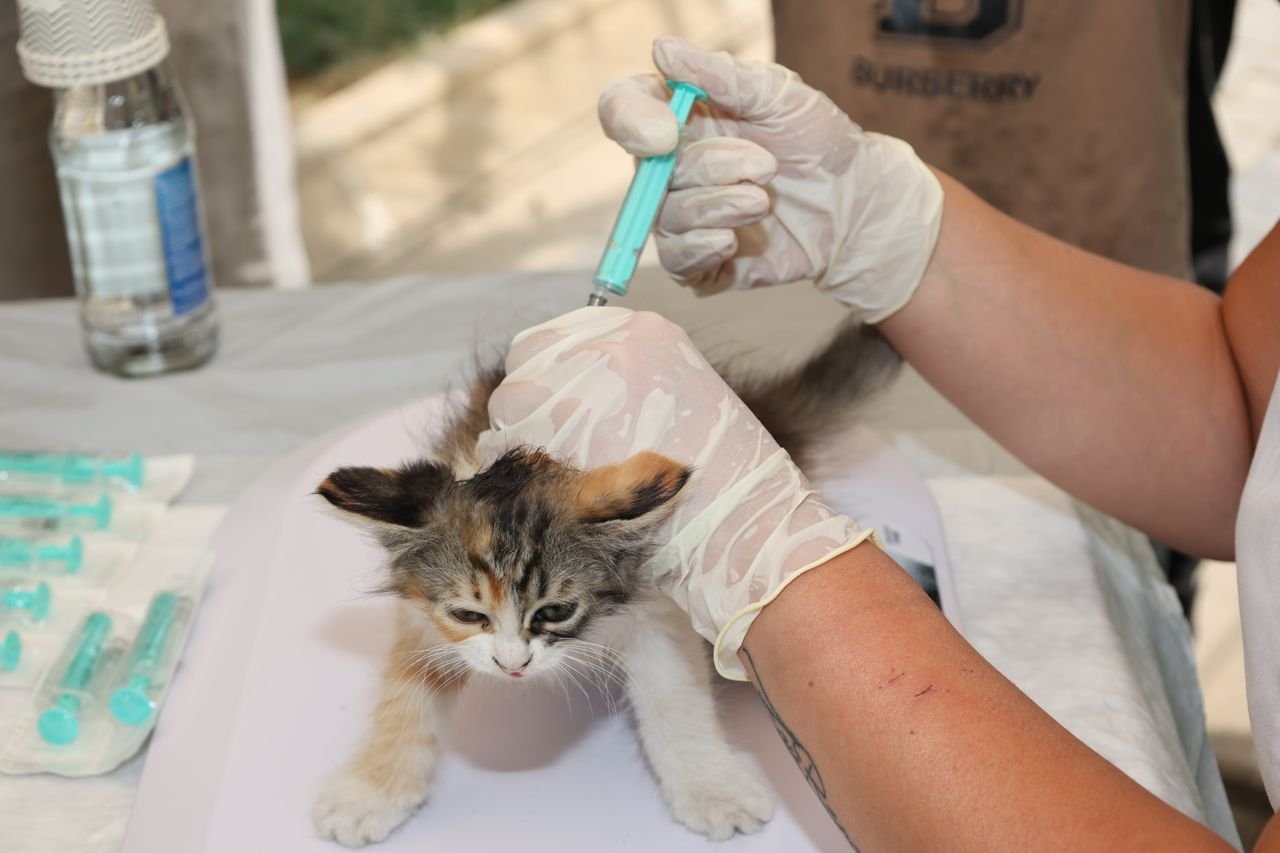

Bringing home a new kitten is exciting — and getting their vaccinations right from the start is one of the most important things you can do for their long-term health. But when do kittens get their first vaccine, which ones do they actually need, and how does the schedule work?
This guide gives you a clear, simple kitten vaccination timeline so you know exactly what to expect and when.
When Do Kittens Get Their First Vaccine?
Kittens receive their first vaccine at 6–8 weeks of age. This is the earliest point at which vaccination is effective — before this age, maternal antibodies passed through the mother’s milk interfere with the vaccine’s ability to trigger the kitten’s own immune response.
If you adopt a kitten at 8 weeks, they may already have had their first vaccine from the breeder or rescue. Always ask for vaccination records when you collect your kitten.
The Core Kitten Vaccine — FVRCP
The most important kitten vaccine is the FVRCP — often called the “cat flu vaccine” or “distemper combo.” It protects against three diseases in one injection:
- FVR (Feline Viral Rhinotracheitis) — caused by feline herpesvirus, the main cause of cat flu and upper respiratory infections
- C (Calicivirus) — another major cause of cat flu, mouth ulcers, and respiratory illness
- P (Panleukopenia) — also called feline distemper, a serious and often fatal disease affecting the immune system and intestinal tract
This vaccine is considered essential for every kitten regardless of whether they will be indoor-only or have outdoor access.
Rabies Vaccine
The rabies vaccine is legally required for cats in most US states. It is typically given at 12–16 weeks of age as a single injection, with a booster one year later, then every 1–3 years depending on the vaccine type and local regulations.
Even indoor-only cats should receive the rabies vaccine — it is legally required in most areas and provides protection in case of accidental escape or contact with a bat indoors.
Complete Kitten Vaccine Schedule
| Age | Vaccine |
|---|---|
| 6–8 weeks | FVRCP (first dose) |
| 10–12 weeks | FVRCP (second dose) |
| 14–16 weeks | FVRCP (third dose) + Rabies |
| 12 months | FVRCP booster + Rabies booster |
| Every 1–3 years after | FVRCP and Rabies boosters as per vet guidance |
The FVRCP requires three doses spaced 3–4 weeks apart to build full immunity. A single dose is not sufficient — each subsequent dose strengthens the immune response built by the previous one.
Non-Core Vaccines — Do You Need Them?
Beyond the core FVRCP and rabies vaccines, your vet may recommend additional vaccines based on your kitten’s lifestyle and risk level:
Feline Leukaemia Virus (FeLV) Recommended for kittens who will have any outdoor access or contact with cats of unknown vaccination status. FeLV is a serious viral disease transmitted through saliva, mutual grooming, and shared food and water bowls. Many vets recommend this as a core vaccine for all kittens given how common outdoor contact becomes.
Chlamydophila felis Sometimes included in combination vaccines. Causes conjunctivitis and respiratory symptoms. Recommended in multi-cat households with a history of the infection.
Bordetella Causes upper respiratory infection. Mainly recommended for cats in shelters, catteries, or high-exposure environments.
What to Expect After Each Vaccine
Most kittens handle vaccines very well. Mild reactions in the 24–48 hours after vaccination are normal and expected:
- Slight lethargy or quietness
- Reduced appetite
- Mild soreness at the injection site
- Sneezing (particularly after FVRCP)
These resolve without treatment within 1–2 days.
Contact your vet if your kitten shows:
- Facial swelling or hives
- Vomiting or diarrhoea
- Difficulty breathing
- Fever persisting beyond 48 hours — see our cat fever guide for what to watch for
- Lethargy lasting more than 2 days
Severe allergic reactions to vaccines are rare but can occur — they typically develop within 30–60 minutes of injection, which is why some vets recommend waiting briefly in the clinic after vaccination.
Can Kittens Go Outside Before Vaccinations Are Complete?
It is strongly recommended to keep kittens indoors until one week after their final FVRCP dose (typically around 16–17 weeks). Before this point their immunity is not fully established and they are vulnerable to infectious diseases from other cats and the environment.
This means no contact with unvaccinated cats, no shared litter trays with unknown cats, and no outdoor access until the full primary course is complete.
Keeping Track of Your Kitten’s Vaccinations
Your vet will provide a vaccination record card — keep this safe. You will need it for:
- Boarding or cattery stays (most require up-to-date vaccine records)
- Travel (some destinations require proof of vaccination)
- Insurance claims
- Future vet visits
Kitten Vaccine Schedule — FAQ
What happens if a kitten misses a vaccine in the schedule? If the gap between doses is longer than 6 weeks, the course may need to restart from the beginning. Contact your vet — they will advise based on how long the gap has been and which dose was missed.
Do indoor cats need vaccines? Yes. The rabies vaccine is legally required regardless of indoor/outdoor status in most US states. The FVRCP is strongly recommended for all cats — indoor cats can be exposed to viruses via shoes, clothing, or accidental contact with other cats.
Are vaccines safe for kittens? Yes — modern cat vaccines are extensively tested and very safe. The diseases they protect against are significantly more dangerous than the small risk of a mild vaccine reaction. Vaccination is one of the most effective things you can do for your kitten’s long-term health.
My kitten came from a rescue — are their vaccines up to date? Most reputable rescues vaccinate kittens before rehoming. Ask for the vaccination record when you collect your kitten and share it with your vet at the first health check so they can plan the remaining doses correctly.
How much do kitten vaccines cost? In the USA, the FVRCP vaccine typically costs $20–$45 per dose, and the rabies vaccine $15–$35. Many vet clinics offer kitten packages that bundle the initial health check and vaccine course at a reduced overall cost.
Also read: My Cat Is Sick — Signs and When to See a Vet | My Cat Has a Fever | How Long Do Cats Live | Best Cat Food for Weight Loss