


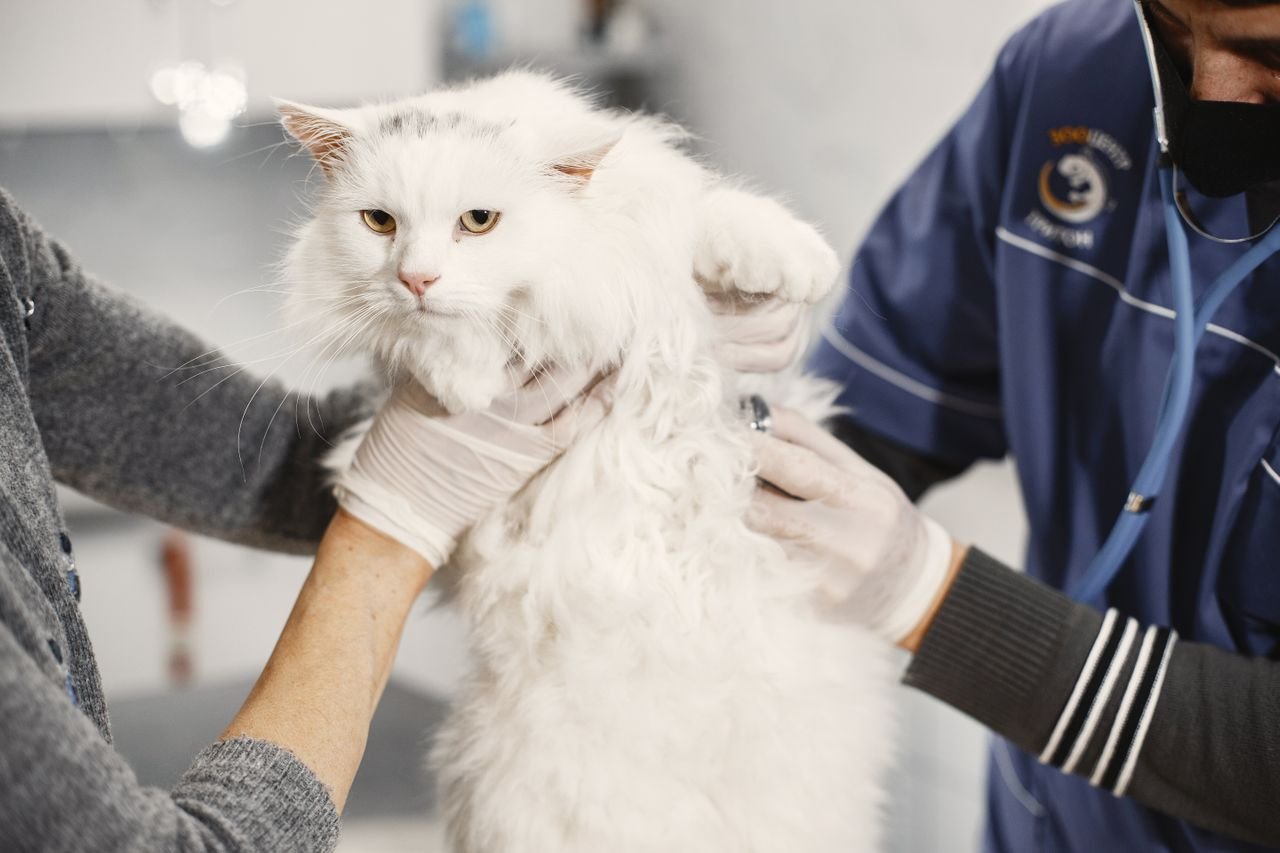

Deciding whether to neuter your cat is one of the most important health decisions you will make as a cat owner. The good news is that the evidence overwhelmingly supports neutering for most cats — it extends life expectancy, reduces serious health risks, and eliminates a range of behavioural problems that make life harder for both cat and owner.
This guide covers everything you need to know: what neutering involves, the real benefits, the risks, the right age, and what recovery looks like.
What Does Neutering Mean?
Neutering refers to the surgical removal of a cat’s reproductive organs:
- Male cats (castration): Removal of both testicles under general anaesthetic. A quick procedure, usually 15–20 minutes, with rapid recovery.
- Female cats (spaying): Removal of the ovaries and uterus (or ovaries only) under general anaesthetic. A slightly longer and more involved procedure than male castration, with a recovery period of 10–14 days.
Both procedures are performed by a licensed veterinarian and are among the most routine surgeries in small animal practice. According to the American Veterinary Medical Association, neutering is considered a standard preventive health measure for companion cats.
Benefits of Neutering Your Cat
For Male Cats
Eliminates spraying. Unneutered male cats (toms) spray strong-smelling urine to mark territory — on walls, furniture, and anything vertical in your home. This is almost entirely eliminated by castration, particularly when done before the behaviour becomes established. See our full guide on why male cats spray for more on this behaviour.
Reduces roaming. Intact males roam large distances in search of females in heat, significantly increasing their risk of road accidents, fights, and getting lost.
Reduces fighting and injuries. Tom cats fight regularly with other males over territory and females. Bite wounds from cat fights are a common cause of abscesses and serious infections. See our cat injury guide for what these wounds look like and why they need vet treatment.
Eliminates testicular cancer and reduces the risk of prostate problems.
Reduces aggression. Testosterone-driven aggression toward other cats and occasionally people is significantly reduced after castration.
For Female Cats
Prevents pyometra. A life-threatening uterine infection that affects a significant proportion of unspayed female cats, particularly in middle to older age. Treatment requires emergency surgery — prevention through spaying is far preferable.
Dramatically reduces mammary cancer risk. Female cats spayed before their first heat have a significantly reduced lifetime risk of mammary tumours, which are malignant in the majority of cases in cats. According to VCA Animal Hospitals, spaying before the first heat reduces this risk by approximately 91%.
Eliminates heat cycles. Cats in heat are vocal, restless, and persistent. Cycles occur every 2–3 weeks if the cat does not become pregnant — meaning an unspayed indoor cat is almost continuously in heat during breeding season.
Prevents unwanted pregnancy. A female cat can become pregnant from 4 months of age and can have multiple litters per year.
Risks of Neutering
Neutering is very safe, but it is surgery under general anaesthetic — which always carries some level of risk. Complications are rare but can include:
- Anaesthetic reactions (rare, more common in cats with underlying health conditions)
- Post-operative infection at the incision site
- Internal bleeding (very rare)
- Weight gain after neutering — the reduction in sex hormones lowers metabolic rate slightly. This is managed easily through appropriate diet and portion control. See our best cat food for weight loss guide for guidance.
The risks of not neutering — pyometra, mammary cancer, fighting injuries, roaming accidents — significantly outweigh the small surgical risk for the vast majority of cats.
What Is the Right Age to Neuter a Cat?
The standard recommendation in the USA is 4–6 months of age, before the first heat cycle in females. Many shelters and rescue organisations neuter as early as 8 weeks (paediatric neutering), which is considered safe and effective.
There is no upper age limit for neutering — older cats can be neutered safely, though pre-surgical blood work is recommended to check organ function before anaesthetic in older animals.
What to Expect — Before, During and After
Before Surgery
Your vet will advise withholding food for several hours before the procedure (usually from midnight the night before) to reduce the risk of vomiting under anaesthetic. Your cat should have access to water up until a couple of hours before.
The Day of Surgery
Your cat will be admitted in the morning, anaesthetised, and the procedure performed. Most cats go home the same day. Males are often ready to collect within a few hours; females may stay until the afternoon.
Recovery
Male cats recover very quickly — most are back to normal within 24–48 hours. The incision is small and usually requires no stitches.
Female cats need 10–14 days of restricted activity while the incision heals. An Elizabethan collar (cone) prevents licking the wound, which is the most common cause of post-operative complications.
Watch for:
- Redness, swelling, or discharge at the incision site
- Your cat not eating 24 hours after surgery — see our my cat is not eating guide for what to monitor
- Lethargy persisting beyond 48 hours post-surgery
Pain Management
Your vet will send your cat home with appropriate pain relief. Give medication exactly as prescribed — do not supplement with human pain relief, which is toxic to cats.
How Much Does It Cost to Neuter a Cat?
In the USA, typical costs are:
| Procedure | Average Cost |
|---|---|
| Male castration | $50–$200 |
| Female spaying | $100–$300 |
| Low-cost clinic | $20–$80 |
Many areas have subsidised neutering programmes through local shelters and humane societies. Search for “[your city] low cost spay neuter” to find options near you.
Should I Neuter My Cat — FAQ
Will neutering change my cat’s personality? It removes hormonally-driven behaviours — spraying, roaming, heat cycles, fighting — but does not change your cat’s fundamental personality. Most owners find their cat becomes calmer and more affectionate after neutering.
Should I let my female cat have one litter before spaying? There is no medical or behavioural benefit to allowing a cat to have a litter before spaying. This is a common myth. Spaying before the first heat provides the greatest health benefits.
Will my cat get fat after neutering? Neutering lowers metabolic rate slightly, which can lead to weight gain if feeding amounts are not adjusted. Switching to a neutered cat formula food and monitoring portions prevents this.
My male cat is already spraying — will neutering stop it? Castration stops spraying in the majority of male cats, but success is higher when done before the behaviour is well established. Some cats who have sprayed for a long time may continue occasionally even after castration — behavioural intervention may be needed alongside neutering.
Is it cruel to neuter a cat? No — the veterinary and animal welfare consensus is clear that neutering is a welfare benefit for cats, not a harm. The prevention of pyometra, mammary cancer, fighting injuries, and roaming accidents represents a genuine improvement in quality and length of life.
Menu placement: CAT → Cat Health
Also read: My Cat Is Sick — Signs and When to See a Vet | Why Does My Male Cat Spray? | My Cat Is Injured — First Aid Guide | Best Cat Food for Weight Loss