
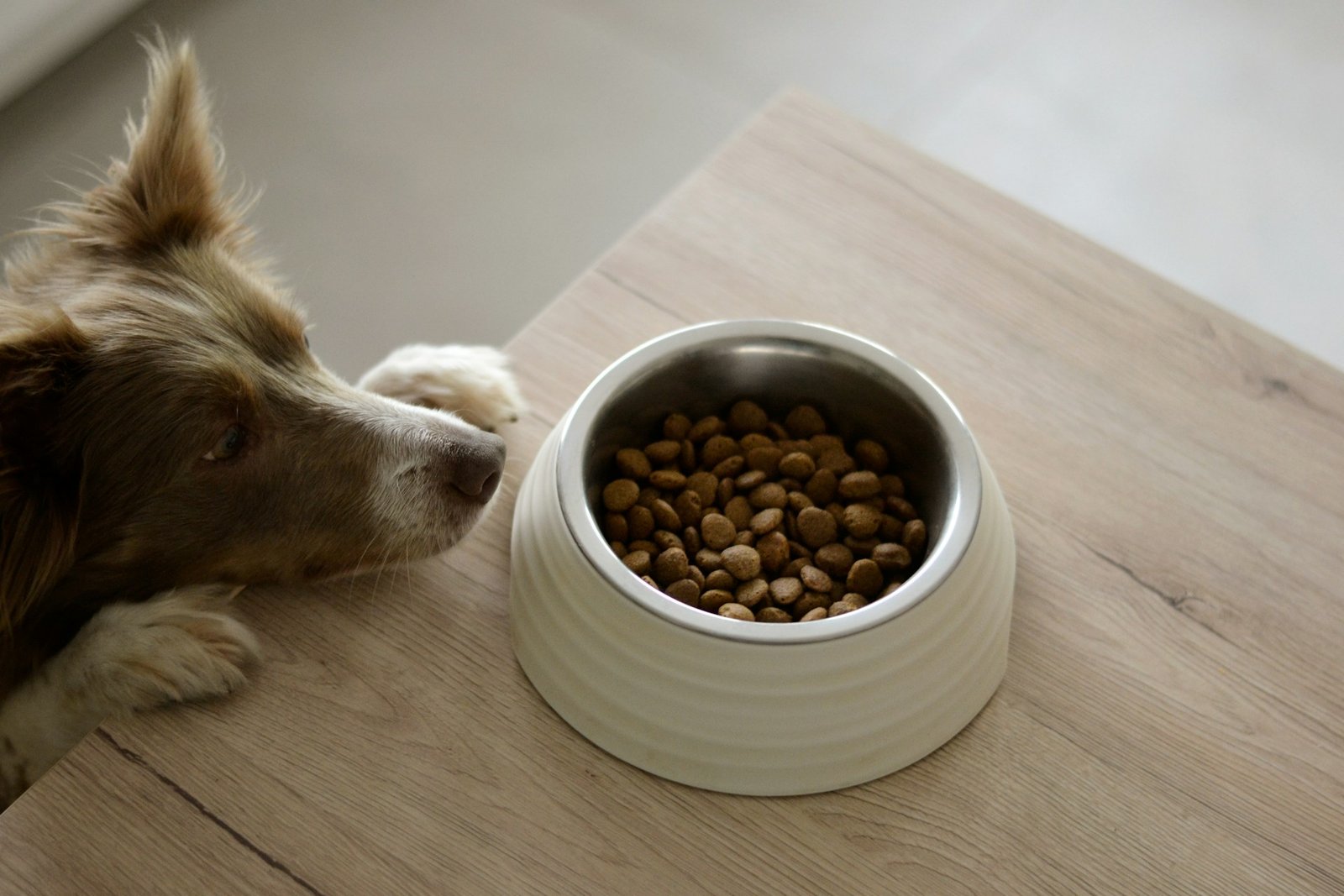

You flip over the bag of dog food, find the feeding chart, and immediately have more questions than answers. The ranges seem huge, the measurements feel vague, and your dog is looking at you like you owe them more than what just went into the bowl.
How much should I feed my dog is one of the most Googled questions among pet owners — and for good reason. Get it wrong in either direction and the consequences are real: underfeeding causes nutritional deficiency and low energy, while overfeeding is one of the leading causes of obesity in dogs, which shortens lifespan and causes joint disease, diabetes, and heart problems.
This guide gives you the full picture — how to calculate the right amount for your dog right now, feeding charts by weight and age, how often to feed, and how to know if you have it right.
Why the Bag Feeding Guide Is Only a Starting Point
Every bag of dog food includes a feeding guide on the back. Most owners treat this as the answer. It is actually just the starting point.
Bag guides are calculated for average dogs of a given weight — they do not account for your dog’s individual metabolism, activity level, whether they are desexed, their body condition, or their age. Two dogs of the same weight can have very different caloric needs.
Use the bag guide to get in the right zone, then adjust from there based on your dog’s actual body condition.
The Body Condition Score — The Real Measure of Whether You Are Feeding Correctly
The Body Condition Score (BCS) is the gold standard for knowing whether your dog is being fed the right amount. It assesses fat cover over the ribs and spine on a scale of 1–9.
How to check your dog’s BCS at home:
Place both hands flat on the sides of your dog’s ribcage. Apply gentle pressure.
| What You Feel | Body Condition | What to Do |
|---|---|---|
| Ribs feel like knuckles on a clenched fist — very sharp and prominent, no fat cover | BCS 1–2 (Underweight) | Increase food by 10–15% |
| Ribs feel like the back of your fingers — easily felt with light pressure, slight covering | BCS 3–4 (Lean — Ideal) | Correct amount — maintain |
| Ribs feel like your knuckles with hand flat — can feel them but have to press | BCS 5 (Ideal) | Correct — maintain |
| Ribs feel like your palm — have to press firmly to feel them | BCS 6–7 (Overweight) | Reduce food by 10–15% |
| Can barely feel ribs through thick fat padding | BCS 8–9 (Obese) | Reduce food significantly, vet check |
Check your dog’s BCS monthly. This tells you far more than any chart can.
Dog Feeding Chart by Weight — Daily Food Amounts
These amounts are for an average adult dog of healthy weight on a standard dry kibble (around 350–400 kcal per 100g). Always check the caloric density of your specific food and adjust accordingly.
| Dog Weight | Daily Dry Food (Approx) | Meals Per Day |
|---|---|---|
| 2–5 kg (4–11 lbs) | 60–130g (¼–½ cup) | 2–3 meals |
| 5–10 kg (11–22 lbs) | 130–230g (½–1 cup) | 2 meals |
| 10–20 kg (22–44 lbs) | 230–380g (1–1½ cups) | 2 meals |
| 20–30 kg (44–66 lbs) | 380–530g (1½–2 cups) | 2 meals |
| 30–40 kg (66–88 lbs) | 530–680g (2–2½ cups) | 2 meals |
| 40–50 kg (88–110 lbs) | 680–820g (2½–3 cups) | 2 meals |
| 50+ kg (110+ lbs) | 820g+ (3+ cups) | 2 meals |
Important: These are starting estimates. Use your dog’s actual body condition (BCS check above) to fine-tune. A food’s caloric density changes everything — always read the kcal per cup or per 100g on your specific bag.
How Often Should You Feed a Dog?
Adult Dogs (1–7 years)
Twice daily is the standard recommendation for most adult dogs. This mirrors how dogs’ digestion works — a single large meal puts more stress on the digestive system and can contribute to bloat (GDV) in large and deep-chested breeds.
Split the daily amount into two equal meals — one in the morning and one in the evening. For large and giant breeds, twice daily feeding is especially important.
Once daily feeding is not harmful for healthy adult dogs who tolerate it well, but twice is preferred by most vets.
Puppies
Puppies have small stomachs and fast metabolisms — they need feeding more often than adult dogs.
| Puppy Age | Meals Per Day |
|---|---|
| 6–12 weeks | 4 meals per day |
| 12 weeks–6 months | 3 meals per day |
| 6–12 months | 2–3 meals per day |
| 12 months+ (small breeds) | 2 meals per day |
| 12–18 months+ (large/giant breeds) | 2 meals per day |
For the full puppy feeding breakdown including amounts by age and weight, read our guide on how to potty train a puppy — the feeding schedule there works hand-in-hand with house training.
Senior Dogs (7+ years)
Most senior dogs do well on the same twice-daily schedule as adults. The amount often needs to decrease as metabolism slows — but some senior dogs, particularly those with health issues like kidney disease or hyperthyroidism, have different needs. A vet check is recommended as your dog enters their senior years. Full guidance on senior dog care including feeding is in our senior dog guide.
How Much to Feed a Puppy — By Age and Weight
Puppies need significantly more food relative to their body weight than adult dogs — they are fuelling rapid growth. However, overfeeding puppies — especially large breeds — causes joint problems by accelerating bone growth faster than the body can support.
Puppy Feeding Chart (Dry Food)
| Puppy Age | Small Breed (up to 10kg adult) | Medium Breed (10–25kg adult) | Large Breed (25–45kg adult) | Giant Breed (45kg+ adult) |
|---|---|---|---|---|
| 8–12 weeks | 50–100g/day | 100–200g/day | 150–300g/day | 200–400g/day |
| 3–4 months | 70–130g/day | 150–270g/day | 220–400g/day | 300–550g/day |
| 4–6 months | 80–150g/day | 180–300g/day | 280–480g/day | 380–650g/day |
| 6–9 months | 60–130g/day | 200–340g/day | 300–500g/day | 420–700g/day |
| 9–12 months | Adult portions | 220–350g/day | 320–520g/day | 460–730g/day |
Always use the feeding guide on your specific puppy food bag as the primary reference — puppy food caloric densities vary significantly between brands.
Factors That Change How Much Your Dog Needs
Two dogs of identical weight and breed can have very different caloric needs based on:
Activity Level
| Activity Level | Adjustment |
|---|---|
| Sedentary (mostly indoors, short walks) | Reduce by 10–20% from bag guide |
| Moderately active (30–60 min exercise daily) | Follow bag guide |
| Very active (working dog, long hikes, agility) | Increase by 10–40% |
Desexed vs Intact
Desexed (spayed or neutered) dogs typically need 10–20% fewer calories than intact dogs of the same weight, because the hormonal change slightly reduces metabolic rate. If your dog has been recently desexed and you have not adjusted food, this is often the cause of gradual weight gain.
Age
Puppies need more food per kilogram than adults. Adult dogs’ needs stabilise. Senior dogs usually need less — but very old or unwell seniors sometimes need more if they are losing muscle mass. Read our full senior dog care guide for feeding adjustments in older dogs.
Breed
Some breeds have faster metabolisms than others. Sighthounds (Greyhounds, Whippets) tend to need more than their body weight suggests. Brachycephalic breeds (French Bulldogs, Pugs) often need less due to lower activity tolerance.
Body Condition
An overweight dog needs portions calculated for their target weight, not their current weight. Feeding based on current weight when a dog is already overweight perpetuates the excess.
Health Conditions
Kidney disease, diabetes, hypothyroidism, and Cushing’s disease all affect how much a dog should eat and what type of food is appropriate. Always follow veterinary guidance for dogs with diagnosed conditions rather than general guidelines. Dog supplements are often recommended alongside dietary adjustments for certain conditions.
Wet Food, Dry Food, and Mixed Feeding — How to Calculate
Wet and dry dog foods have very different caloric densities. You cannot substitute cup-for-cup.
Dry kibble typically contains 320–450 kcal per 100g (or per ½ cup approximately, depending on kibble density).
Wet/canned food typically contains 80–130 kcal per 100g — much lower because of water content. This means you need to feed significantly more by volume.
If Feeding Wet Food Only
Multiply the dry food amount by approximately 3–4 to get the equivalent wet food volume. Always verify against the specific product’s caloric information.
If Feeding Mixed (Half Wet, Half Dry)
Feed 50% of the recommended dry amount and 50% of the recommended wet amount. Most dogs find this highly palatable and it can be a good strategy for fussy eaters or dogs who need encouragement to drink more water.
How to Feed a Dog Who Is Overweight
Obesity is the most common nutritional problem in dogs — studies suggest over 50% of pet dogs are overweight or obese. The consequences include joint disease, reduced lifespan by up to 2.5 years, diabetes, breathing difficulties, and increased anaesthetic risk.
Step 1 — Establish target weight. If your dog is overweight, calculate portions based on their ideal weight — not current weight. Your vet can advise the target.
Step 2 — Reduce portions gradually. Cut current intake by 10–15% for 4 weeks, then reassess. Dramatic cuts cause hunger, food-guarding behaviour, and muscle loss alongside fat loss.
Step 3 — Use a measuring cup or digital scale. “Eyeballing” portions is the single biggest cause of unintentional overfeeding. A digital kitchen scale is the most accurate tool and costs very little.
Step 4 — Count treats. Treats should be no more than 10% of daily caloric intake. Many owners feed appropriate meals but completely undo the caloric control with treats throughout the day.
Step 5 — Increase exercise appropriately. Even 15–20 minutes of extra walking daily makes a significant difference alongside dietary adjustment.
How to Feed an Underweight Dog
If your dog is underweight, resist the urge to dramatically increase food all at once — sudden large increases cause digestive upset. Increase by 10–15% weekly until the dog reaches a healthy BCS.
Underweight dogs sometimes need more than increased portions — underlying conditions including intestinal parasites, malabsorption, dental disease causing pain during eating, or serious illness can cause weight loss despite adequate feeding. If increasing food does not produce gradual improvement within 2–3 weeks, a vet check is essential. Full guidance on why dogs lose weight applies to cat health specifically but the underlying principle of ruling out medical causes is the same.
Raw Feeding — How Much to Feed
For owners feeding a raw diet (BARF or prey model), the standard starting point is:
- Puppies: 5–10% of current body weight per day, divided into 3–4 meals
- Adult dogs: 2–3% of ideal body weight per day
- Highly active adult dogs: Up to 4–5% of body weight
- Senior or less active dogs: 1.5–2% of body weight
These are starting points — adjust based on body condition exactly as with kibble.
Raw feeding requires careful nutritional balancing. A raw diet that is not properly formulated leads to deficiencies in calcium, phosphorus, and other essential nutrients. If you are considering raw feeding, consult a veterinary nutritionist or a vet with raw feeding experience before starting.
Common Feeding Mistakes to Avoid
Using a coffee mug as a “cup.” A standard measuring cup is 240ml. Many people feed using mugs or scoops that are 30–50% larger without realising it. Use a proper measuring cup or kitchen scale.
Ignoring the caloric density. A budget kibble at 280 kcal/100g and a premium kibble at 400 kcal/100g require very different volumes for the same caloric intake. Always check the kcal per 100g on your specific food.
Feeding based on current weight when overweight. Calculate based on target weight, not what the dog weighs now.
Leaving food out all day (free feeding). Free feeding makes it impossible to monitor intake and is strongly associated with obesity. Set meal times allow you to track exactly what your dog is consuming.
Forgetting treats in the daily calorie count. One dental chew, two training treats, and a few “good dog” biscuits can add 200+ calories to a small dog’s daily intake — equivalent to a whole extra meal.
Not adjusting when seasons or activity changes. A dog who is walked less in winter but fed the same amount as in summer will gradually gain weight.
Signs You Are Feeding the Right Amount
Your dog is getting the right amount of food when:
- Ribs are easily felt with light pressure but not visible
- Waist is visible when viewed from above
- Abdomen tucks up slightly when viewed from the side
- Energy level is consistent and appropriate for age and breed
- Coat is healthy and shiny
- Stools are firm, well-formed, and not excessive in volume
If your dog finishes their meal quickly and looks for more, this is normal dog behaviour — it does not mean they need more food. Dogs are evolutionarily wired to eat as much as available. Hunger signals are not a reliable guide to correct portion size.
Dog Feeding FAQ
How many cups of food should I feed my dog per day? This depends entirely on the cup size, the caloric density of the food, and your dog’s weight and activity level. As a rough guide: small dogs (under 10kg) need roughly ¼ to ¾ cup of standard dry food per day; medium dogs (10–25kg) need 1 to 2 cups; large dogs (25–40kg) need 2 to 3 cups. Always verify against the kcal count on your specific food bag and adjust based on your dog’s body condition.
How often should I feed my dog? Twice daily is the standard recommendation for adult dogs. Puppies need three to four meals per day until 6 months, then can transition to twice daily. Senior dogs generally do well on twice daily. Avoid once-daily feeding for large and giant breeds due to bloat risk.
How do I know if I’m feeding my dog too much? Check the body condition: if you have to press firmly to feel ribs, your dog has excess fat and is being overfed. Gradual weight gain over months is the most common sign of chronic overfeeding. Monthly BCS checks catch this early before it becomes a significant problem.
Should I feed my dog the same amount every day? Yes, for most dogs, consistency in daily portions is ideal. Dogs’ digestive systems do best on a predictable routine. Adjust portions seasonally if activity levels change significantly — slightly less in winter, slightly more in periods of high activity.
Can I mix wet and dry dog food? Yes — this is a very common and nutritionally sound approach when done correctly. Calculate the caloric content of each portion rather than substituting volume for volume. Wet food typically contains 3–4 times fewer calories per gram than dry kibble.
How do I switch my dog to a new food without causing stomach upset? Transition over 10–14 days: start with 75% old food and 25% new, move to 50/50, then 25% old and 75% new, then 100% new. Abrupt switches frequently cause loose stools and digestive discomfort even when the new food is good quality.
Conclusion
How much should I feed my dog does not have a single number answer — it depends on your dog’s weight, age, activity level, reproductive status, and the specific food you are using. But the framework is straightforward: start with the bag guide, check body condition monthly, and adjust portions up or down based on what you see.
The two most important tools are a proper measuring cup or kitchen scale (not a rough estimate) and your own two hands to check your dog’s ribs regularly. Combined with the right feeding frequency and an awareness of treats as part of the daily calorie count, these habits will keep your dog at a healthy weight for life.
A healthy weight dog lives longer, moves better, has fewer health problems, and costs significantly less in vet bills over a lifetime. Getting the portions right is one of the most impactful things you can do for your dog’s long-term wellbeing.
If your dog is significantly underweight or overweight, has a diagnosed health condition, or you are unsure about their nutritional needs, always consult your vet before making major dietary changes.
Also read: Best Probiotics for Dogs | Dog Supplements — Which Ones Actually Work | How to Care for a Senior Dog | Best Automatic Cat Feeder | How to Stop a Dog From Chewing Everything