


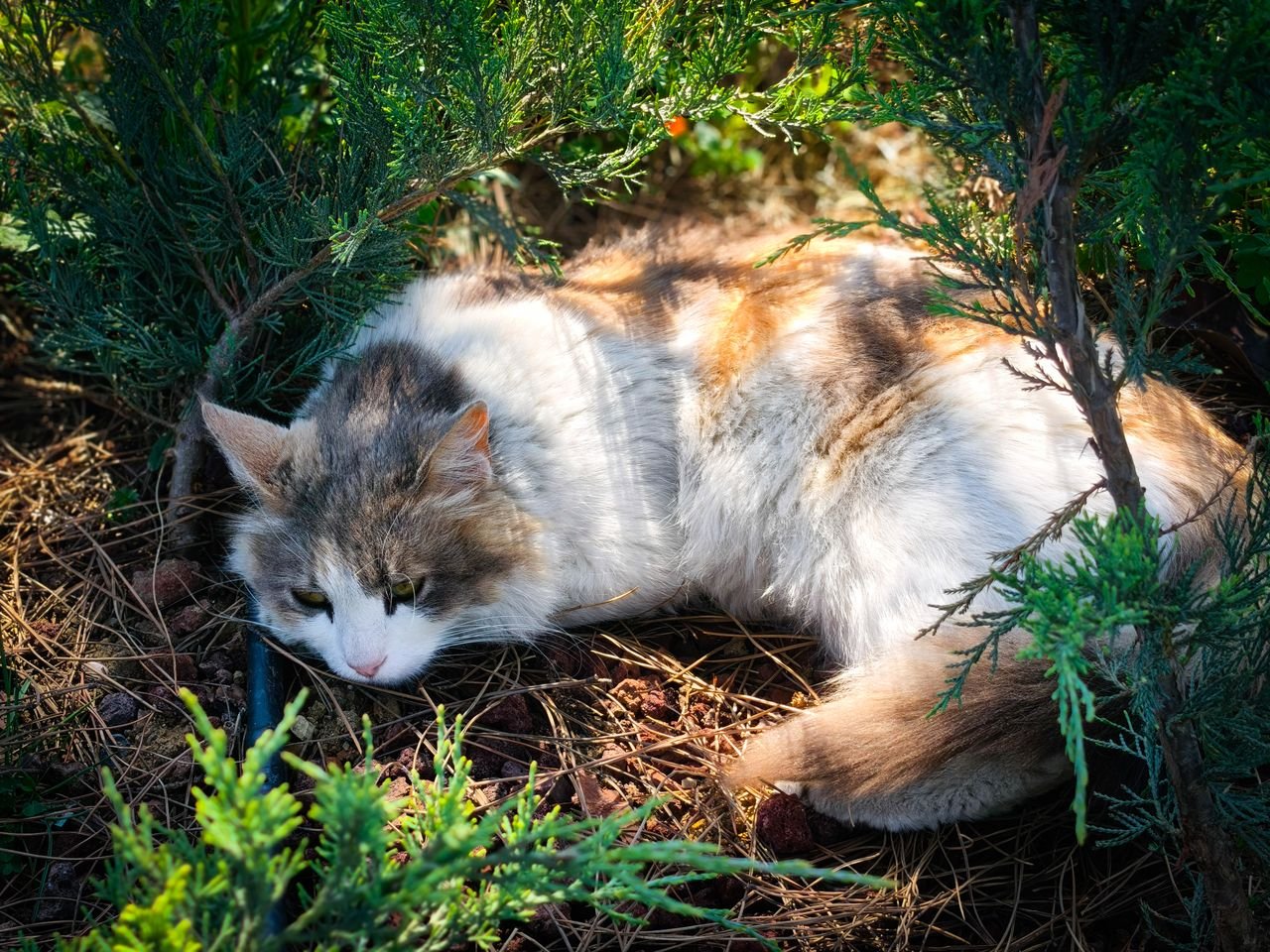

Cats handle heat better than many animals, but they are not immune to the dangers of high temperatures. Caring for a cat in summer heat requires some simple but important adjustments — particularly for flat-faced breeds, elderly cats, overweight cats, and those with outdoor access.
This guide covers how to keep your cat safe, cool, and comfortable through the hottest months of the year.
How Cats Regulate Body Temperature
Understanding how cats cool themselves helps you support that process effectively.
Cats do not sweat through their skin the way humans do. Their primary cooling mechanisms are:
- Panting — like dogs, but cats only pant when significantly overheated. Panting in a cat that is not playing or distressed is a warning sign, not normal behaviour
- Grooming — licking their fur deposits saliva which evaporates and cools the skin beneath
- Seeking shade and cool surfaces — cats instinctively find the coolest spot available and rest there
- Reducing activity — cats in hot weather sleep more and move less
The problem is that these mechanisms have limits. When ambient temperature is very high — particularly above 90°F (32°C) — cats can overheat faster than their cooling systems can compensate.
Signs Your Cat Is Too Hot
Mild overheating:
- Excessive grooming
- Seeking cool floors, tiles, or shaded spots
- Reduced appetite
- Lethargy more than usual even for summer
Moderate heat stress:
- Panting with mouth open
- Drooling
- Restlessness — unable to get comfortable
- Rapid breathing
Heatstroke — emergency signs:
- Heavy panting that does not stop
- Bright red or very pale gums
- Vomiting or diarrhoea
- Stumbling or loss of coordination
- Collapse or loss of consciousness
Heatstroke in cats is life-threatening. If your cat shows these signs, act immediately — see the emergency section below.
Which Cats Are Most at Risk?
Flat-faced breeds (brachycephalic) — Persian, Exotic Shorthair, British Shorthair. Their shortened airways make breathing less efficient, so they cannot pant effectively to cool down.
Overweight cats — excess body fat acts as insulation, trapping heat. Maintaining a healthy weight is one of the most important things you can do for your cat’s summer safety. See our best cat food for weight loss guide for guidance.
Senior cats — older cats are less able to regulate body temperature efficiently. See our how long do cats live guide for age-related health considerations.
Dark-coloured cats — darker coats absorb more heat from sunlight.
Cats with heart or respiratory conditions — any underlying condition affecting breathing or circulation increases heat risk.
How to Keep Your Cat Cool in Summer
Fresh Water — Always
The single most important summer care step. Cats on dry food particularly need abundant fresh water in hot weather.
- Place multiple water bowls in different locations — cats drink more when water is accessible
- Refresh water at least twice daily — warm water is less appealing
- Add ice cubes to water bowls to keep it cool longer
- Consider a pet water fountain — running water is more attractive to many cats and stays cooler
Keep Indoor Areas Cool
- Close curtains and blinds on sun-facing windows during the hottest part of the day — this alone significantly reduces indoor temperature
- Use a fan to improve air circulation — place a shallow tray of ice in front of a fan to create a simple evaporative cooler
- Air conditioning is ideal — if you have it, keep at least one room consistently cool for your cat to retreat to
- Leave interior doors open so your cat can find the coolest room freely
Provide Cool Resting Spots
- Place a damp towel in your cat’s favourite resting spot — many cats find this comfortable
- A cooling mat designed for pets provides a consistently cool surface without needing refrigeration
- Elevate a bed slightly off the floor — air circulates underneath and keeps the sleeping surface cooler
- Tile and stone floors are naturally cool — allow access to bathroom or kitchen floors during the hottest hours
Grooming and Coat Care
- Long-haired cats benefit from regular brushing in summer to remove loose undercoat that traps heat. Do not shave a cat’s coat — the coat also provides protection from sunburn and actually helps regulate temperature when well-maintained
- Short-haired cats — regular brushing is still helpful for removing dead fur
- Damp a cloth with cool water and gently stroke it over your cat’s fur — particularly on the ears, paws, and belly — if your cat will tolerate it
Adjust Feeding Times
In very hot weather, feed your cat during the cooler parts of the day — early morning and evening. Digestion generates body heat, and eating during peak heat adds to their thermal load.
Wet food is preferable to dry food in summer — it contributes to hydration alongside nutrition. See our wet food vs dry food for cats guide for a comparison.
Outdoor Access — Adjust the Schedule
If your cat goes outside, adjust their schedule during summer:
- Allow outdoor access in the early morning and evening when temperatures are lower
- Keep cats indoors during peak heat — typically 11am–4pm
- Ensure outdoor areas have shaded spots and fresh water available at all times
- Avoid hot concrete and tarmac — these surfaces retain and radiate heat and can burn paw pads
Emergency — What to Do If Your Cat Has Heatstroke
If your cat is panting heavily, has red or pale gums, is vomiting, or has collapsed:
- Move to the coolest area immediately — air conditioned room or shaded outdoor space
- Apply cool (not cold) water — wet a cloth with cool water and apply to the ears, paws, groin, and armpits. Do not use ice water — rapid temperature change can cause shock
- Offer small amounts of cool water — do not force them to drink
- Call your vet immediately — heatstroke causes internal organ damage that is not visible externally. Even a cat that seems to recover needs veterinary assessment
- Transport to the vet — keep the car cool with air conditioning on
See our my cat is sick guide for how to assess your cat’s overall condition alongside heat-related symptoms.
Never Do These in Hot Weather
- Never leave a cat in a parked car — even with windows cracked, car temperatures reach lethal levels within minutes
- Never leave a cat in a conservatory or greenhouse in summer — these spaces trap heat rapidly
- Do not restrict water — always have multiple sources available
- Do not shave the coat down to skin — it removes sun protection and disrupts temperature regulation
- Do not ignore panting — a cat that is panting at rest needs immediate attention
How to Care for a Cat in Summer — FAQ
How hot is too hot for a cat indoors? Cats begin to struggle when indoor temperatures exceed 90°F (32°C), particularly in humid conditions. Flat-faced breeds and senior cats are affected at lower temperatures. Aim to keep your cat’s environment below 80°F (27°C) during hot weather.
Do cats need more water in summer? Yes — significantly more. Hot weather increases fluid loss through respiration and grooming. Cats on dry food need particularly close monitoring of water intake in summer. Multiple fresh water sources and a water fountain both encourage drinking.
Can I put a fan directly on my cat to cool them down? A fan improves air circulation and helps with evaporative cooling but does not cool the air itself. It is helpful but not a substitute for cool water, shade, and reduced ambient temperature. Do not force a cat to sit directly in front of a powerful fan — they will move to a comfortable position themselves.
My cat is sleeping a lot more in the heat — is this normal? Yes — cats naturally reduce activity in hot weather to avoid generating excess body heat. Sleeping more during peak heat hours is normal adaptive behaviour. The concern is if they are also not eating, not drinking, or showing signs of distress.
Should I wet my cat’s fur to cool them down? Light dampening of the ears, paws, and belly with a cool damp cloth is helpful and most cats tolerate it. Do not soak the entire coat — a wet coat can actually trap heat. Keep it to strategic cooling points.
Also read: How to Care for a Cat in Winter | Best Cat Food for Weight Loss | My Cat Is Sick — Signs and When to See a Vet | Wet Food vs Dry Food for Cats