


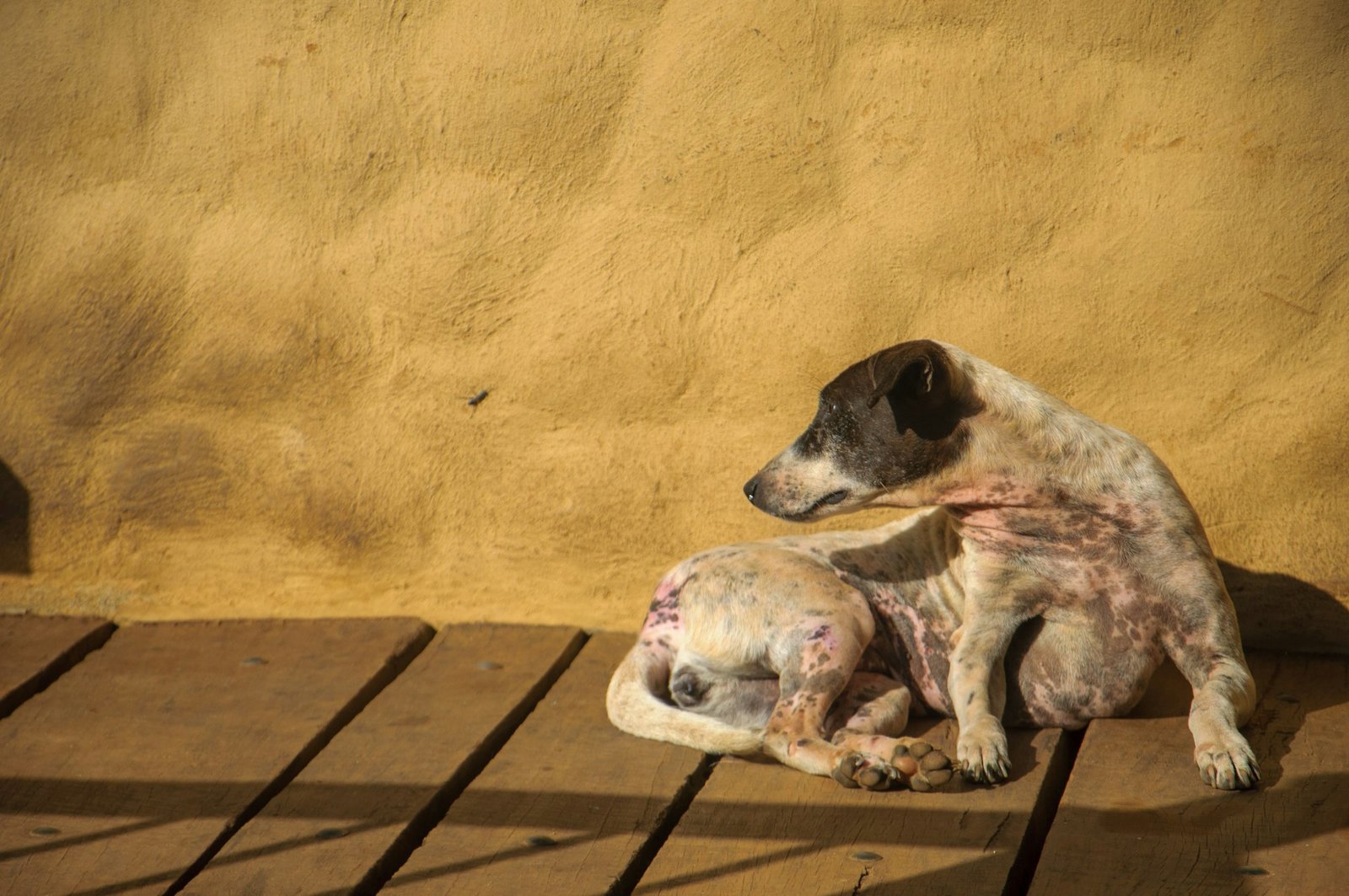

A dog that won’t stop itching is one of the most common and most frustrating problems in pet ownership. Constant scratching, licking, chewing at paws, rubbing the face on carpet — these are all signs that something is irritating your dog’s skin. The challenge is that many different conditions cause similar symptoms, and the treatment depends entirely on the cause.
This guide covers the most common causes of itching and skin problems in dogs, how to identify what you are dealing with, and what actually works.
Is the Itching Normal or a Problem?
The occasional scratch is completely normal. A problem exists when:
- Your dog scratches, licks, or chews repeatedly throughout the day
- The skin is becoming red, inflamed, broken, or infected
- Hair loss is appearing in scratched areas
- Your dog is losing sleep or becoming distressed from the itching
- The behaviour has been going on for more than a week without improvement
Most Common Causes of Itching in Dogs
Fleas
The single most common cause of itching in dogs worldwide. Even one flea bite can trigger intense itching in a flea-allergic dog — and flea allergy dermatitis (FAD) is extremely common. Signs include:
- Intense scratching, particularly around the base of the tail, hindquarters, and inner thighs
- Small red bumps or scabs in these areas
- You may or may not see actual fleas — look for flea dirt (tiny black specks that turn red when wet) in the coat
Treatment: A veterinary-approved flea treatment applied to all pets in the household simultaneously, plus treating the home environment. Treating one pet while others remain untreated does not work.
Environmental Allergies (Atopic Dermatitis)
The second most common cause of chronic itching in dogs. Atopy is an inherited tendency to develop allergic reactions to environmental triggers — pollen, dust mites, mould, and grass being the most common.
Signs include:
- Itching that is seasonal (worse in spring/summer with pollen) or year-round (dust mites)
- Paw licking and chewing — one of the most characteristic signs
- Facial rubbing
- Recurrent ear infections
- Red, inflamed skin between the toes, in the armpits, and around the groin
Atopy is managed rather than cured. Management options range from antihistamines and medicated shampoos to prescription medications (Apoquel, Cytopoint) and allergen-specific immunotherapy.
Food Allergies
Less common than environmental allergies but frequently blamed for itching. True food allergies in dogs are most commonly triggered by animal proteins — beef, chicken, dairy, and eggs being the most frequent culprits — not grains, despite the marketing of many grain-free foods.
Signs:
- Non-seasonal itching (year-round, unlike pollen allergies)
- Gastrointestinal signs alongside itching — loose stools, flatulence
- Recurrent ear infections
- Paw licking
Diagnosis requires a strict dietary elimination trial of 8–12 weeks using a novel protein or hydrolysed protein diet. See our best dog food for allergies guide for suitable food options.
Mange (Mites)
Two types of mites cause mange in dogs:
Sarcoptic mange (scabies): Highly contagious, causes intense itching, hair loss, and crusty skin particularly on the ear margins, elbows, and face. Can spread to humans.
Demodectic mange: Caused by Demodex mites that normally live in hair follicles. In dogs with immune system weakness, these mites overpopulate, causing patchy hair loss, usually without intense itching.
Both require veterinary diagnosis and prescription treatment.
Ringworm
Despite the name, ringworm is a fungal infection — not a worm. It causes circular patches of hair loss with scaly, sometimes itchy skin. Highly contagious to other pets and to humans. Requires antifungal treatment.
Hot Spots (Acute Moist Dermatitis)
Rapidly developing, moist, red, painful skin lesions that appear suddenly — often overnight. Usually triggered by a dog licking or chewing a specific area obsessively in response to an itch, insect bite, or minor irritation. The licking creates a moist environment where bacteria multiply rapidly.
Hot spots need prompt treatment — clipping the hair around the area, cleaning with antiseptic, and often a short course of antibiotics and anti-inflammatories from your vet.
Dry Skin
Less dramatic than allergies but common, particularly in winter when indoor heating reduces humidity. Signs include flaking, dull coat, and mild itching without significant redness or inflammation. Often improved by omega-3 fatty acid supplementation and a high-quality diet.
Contact Dermatitis
A reaction to direct contact with an irritant — certain cleaning products, lawn chemicals, road salt, or plants. Usually affects the belly, paws, and areas with less fur. Resolves when the irritant is removed.
Identifying the Cause — What to Look For
| Pattern | Most Likely Cause |
|---|---|
| Itching mainly at tail base and hindquarters | Fleas |
| Seasonal itching, paw licking, ear infections | Environmental allergy |
| Year-round itching with GI signs | Food allergy |
| Intense itching, crusty ear margins | Sarcoptic mange |
| Patchy hair loss, minimal itching | Demodectic mange |
| Circular hair loss patches | Ringworm |
| Sudden moist red patch, appeared overnight | Hot spot |
| Dry flaking, dull coat, mild itch | Dry skin |
| Itching on belly and paws after walks | Contact dermatitis |
When to See the Vet
See the vet if:
- Skin is broken, bleeding, or infected
- Hot spots are developing
- Hair loss is occurring
- Itching has not improved after 1–2 weeks of basic home management
- You suspect mange or ringworm — both need prescription treatment and are contagious
- Your dog is losing sleep or significantly distressed
Go sooner if:
- The skin looks infected — yellow/green discharge, swelling, significant heat
- Your dog is in obvious pain from the skin condition
Treatment Options
At-home management for mild itching:
- Oatmeal-based medicated shampoo — soothes inflamed skin and provides temporary itch relief
- Antihistamines — your vet can advise on safe options and doses for dogs
- Omega-3 fatty acid supplements — support skin barrier function over time
- Eliminate potential contact irritants — switch to fragrance-free cleaning products, rinse paws after walks
Prescription options from your vet:
- Apoquel (oclacitinib) — fast-acting oral medication that reduces itching within hours
- Cytopoint — an injectable treatment that blocks the itch signal for 4–8 weeks
- Medicated shampoos — antifungal or antibacterial depending on the cause
- Antibiotics or antifungals — for secondary skin infections
- Steroids — short-term use for acute flare-ups
Preventing Skin Problems in Dogs
- Maintain year-round flea prevention — even indoor dogs can pick up fleas
- Feed a high-quality, complete diet appropriate for your dog’s age and size — see our how much should I feed my dog guide for nutritional guidance
- Regular grooming keeps the coat clean and allows early detection of skin changes — see our best dog grooming tools guide for the right tools by coat type
- Rinse paws after walks in areas where chemicals or allergens are present
- Keep bedding clean and washed regularly
According to VCA Animal Hospitals, skin disease is one of the most common reasons dogs visit the vet — making prevention and early identification genuinely important.
Dog Skin Problems and Itching — FAQ
My dog licks their paws constantly — what does this mean? Paw licking is one of the most characteristic signs of environmental or food allergies in dogs. Check between the toes for redness and inflammation. If the licking is persistent and the skin looks irritated, a vet visit is warranted.
Can I use hydrocortisone cream on my dog’s itchy skin? Low-strength hydrocortisone cream is sometimes used short-term on small areas of irritated skin, but it should not be used near the eyes, on broken skin, or in areas your dog can lick. It is not a substitute for veterinary diagnosis of the underlying cause.
My dog scratches but I cannot find any fleas — does that mean it is not fleas? Not necessarily. Flea allergy dermatitis can cause intense itching from a single flea bite, and the flea may be long gone by the time you look. Flea dirt (black specks in the coat) is often easier to find than the fleas themselves.
How long does it take to identify a food allergy in dogs? A proper food elimination trial requires 8–12 weeks of strict feeding with a novel or hydrolysed protein diet — no treats, no table scraps, nothing outside the trial diet. This is the only reliable way to diagnose a food allergy.
Is itching in dogs ever a sign of something serious? Chronic itching is always worth investigating — not because it is immediately life-threatening, but because prolonged skin inflammation causes real suffering and often leads to secondary infections that require more intensive treatment. Early identification and management improves outcomes significantly.
Also read: Best Dog Food for Allergies | Best Dog Grooming Tools for Home Use | How Much Should I Feed My Dog | My Dog Is Not Eating