


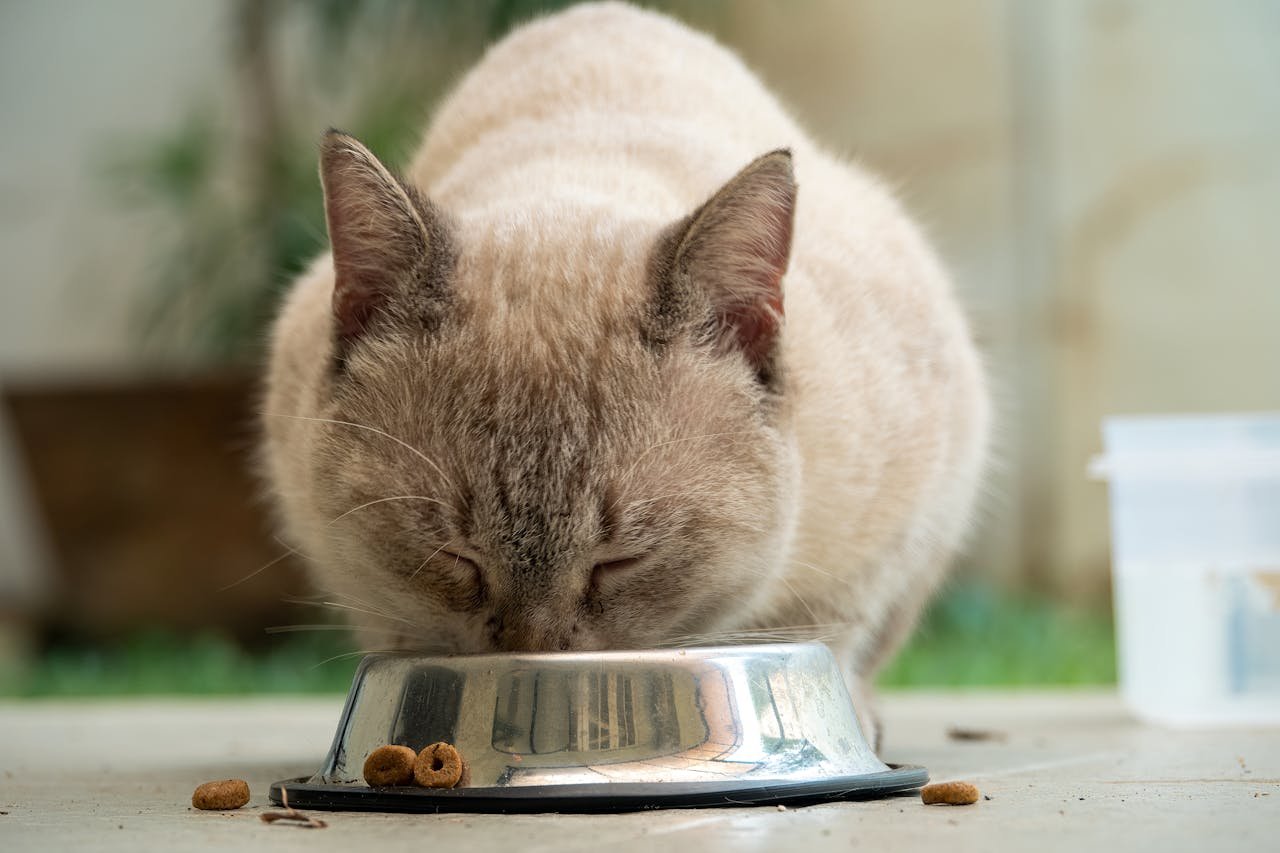

You want to feed your cat well. But stand in the cat food aisle — or scroll through the hundreds of options on Chewy or Amazon — and it becomes overwhelming fast. Indoor cat formula. Senior blend. Grain-free. High protein. Weight management. Sensitive stomach. How do you know which one is actually right for your cat?
The best cat food for indoor cats is not a single product — it is the right food for your individual cat’s age, weight, health, and preferences. This guide cuts through the marketing and tells you exactly what indoor cats need nutritionally, what to look for on the label, which formats work best and when, and how to choose confidently across every life stage and health situation.
Why Indoor Cats Have Different Nutritional Needs
Before looking at specific foods, it helps to understand why indoor cats need something different from outdoor or indoor-outdoor cats — because the difference is real and it matters.
Indoor cats have a fundamentally different activity level than cats with outdoor access. They do not hunt, patrol territory, climb trees, or cover the distances that outdoor cats naturally cover. This lower activity level has two direct nutritional consequences:
They need fewer calories. An indoor cat that eats the same amount as a more active outdoor cat will gain weight. Obesity is one of the most serious and most preventable health problems facing indoor cats in North America — and it starts with caloric intake that does not match actual energy output.
They need more targeted nutrition. Because indoor cats groom themselves heavily and consume less natural fibre than they would through prey, they are more prone to hairballs. Because they drink less water instinctively than cats in the wild, their urinary and kidney health depends significantly on diet. And because they spend more time indoors without the environmental stimulation of outdoor life, maintaining healthy weight and muscle condition through diet becomes especially important.
As we covered in our guide to how long indoor cats live, diet is one of the most significant controllable factors in feline longevity. Getting it right is not just about keeping your cat happy — it is about adding healthy years to their life.
What to Look for in the Best Cat Food for Indoor Cats
High-Quality Protein — First and Always
Cats are obligate carnivores. This is not a lifestyle preference — it is biology. Their bodies require animal-derived protein to function. They cannot synthesise certain essential amino acids, including taurine, from plant sources. A diet without adequate animal protein leads to serious health consequences over time.
What to look for: A named animal protein — chicken, turkey, salmon, tuna, duck, beef — as the first ingredient on the label. Not “meat meal” as the only protein source. Not “poultry by-product” as the primary ingredient.
What to avoid: Foods where the first ingredient is a grain, a plant protein, or a vague descriptor like “animal digest.” Corn, wheat gluten, and soy as primary ingredients are markers of lower nutritional quality.
The protein percentage matters too. For indoor cats, look for foods with at least 30% protein on a dry matter basis — and ideally higher for active younger cats or those needing to maintain muscle condition.
Moderate, Controlled Calories
Because indoor cats need fewer calories than more active cats, a food labelled specifically for indoor cats will typically be formulated with slightly fewer calories per serving — making it easier to maintain a healthy weight without dramatically reducing portion sizes.
What to look for: Indoor-specific formulations or foods that clearly state caloric content per cup or per can. This allows you to feed measured portions rather than guessing.
What to avoid: Free-feeding dry food with no portion control. This is the single most common cause of obesity in indoor cats. A measured amount twice daily is far better for weight management than a constantly full bowl.
Moisture Content
Cats evolved in arid environments and developed a low thirst drive — they were designed to get most of their water from prey. This biological trait means domestic cats on dry-only diets are in a state of mild chronic dehydration more often than owners realise.
For indoor cats — who are already prone to urinary tract issues and kidney disease — moisture content in food is directly relevant to long-term health. As we covered in our guide to cats drinking a lot of water, kidney disease is one of the most common conditions in senior cats, and hydration plays a direct role in prevention and management.
What to look for: Wet food as part or all of the diet — wet food is 70-80% moisture compared to 10% in dry food. If feeding exclusively dry food, ensure your cat has constant access to fresh water, ideally from a cat water fountain.
Hairball Control
Indoor cats groom extensively and swallow significant amounts of fur in the process. Without the natural fibre they would consume through prey in the wild, this fur accumulates and forms hairballs that are uncomfortable and sometimes dangerous.
What to look for: Foods formulated with added fibre — often from sources like beet pulp, psyllium, or cellulose — that help move ingested fur through the digestive tract rather than allowing it to accumulate. Many indoor-specific cat food formulas include hairball support as a standard feature.
Taurine — Non-Negotiable
Taurine is an essential amino acid that cats cannot synthesise themselves. It must come from their diet. Taurine deficiency causes dilated cardiomyopathy (heart disease) and retinal degeneration — both serious, both preventable with adequate dietary taurine.
Any complete, balanced cat food from a reputable manufacturer will contain adequate taurine — but it is worth knowing that grain-free foods with legumes as the primary carbohydrate source have been associated with taurine deficiency in some studies. If feeding grain-free, choose a brand with a strong nutritional research track record.
Wet vs Dry Cat Food for Indoor Cats — Which Is Better?
This is the most common question in cat nutrition — and the honest answer is that both have a place, and the best approach for most indoor cats combines both.
The Case for Wet Food
Wet food provides significantly more moisture, which supports kidney and urinary health. It is typically higher in protein and lower in carbohydrates than dry food. It is more palatable for most cats — which matters for picky eaters and older cats with reduced appetite. It is easier to manage portions accurately. And for cats prone to urinary tract issues, the moisture content alone makes it medically beneficial.
The best wet cat food for indoor cats provides complete and balanced nutrition in every meal — not just as a topper or treat. Look for pâté or chunks in gravy formulas where the primary ingredient is a named protein.
The Case for Dry Food
Dry food is convenient, cost-effective, and has a long shelf life once open. It is easier to use in puzzle feeders and slow-feed bowls — which provide mental stimulation for indoor cats that can otherwise become bored. Some evidence suggests that the mechanical action of chewing dry kibble provides mild dental benefit, though it is not a substitute for proper dental care.
The best dry cat food for indoor cats is one with a named protein as the first ingredient, adequate moisture-compensating hydration support, and a caloric density appropriate for a less active cat.
The Ideal Approach — Mixed Feeding
For most indoor cats, a combination of wet and dry food provides the best balance — wet food at morning and evening meals for protein and hydration, with a measured amount of high-quality dry food available during the day or in a puzzle feeder for enrichment. This approach covers the nutritional advantages of both formats while supporting healthy weight, hydration, and mental stimulation.
Best Cat Food for Indoor Cats — By Life Stage
Best Kitten Food for Indoor Cats
Indoor kittens have very specific nutritional requirements that adult cat food does not meet. Kittens need significantly more protein, more fat, more calcium, and more calories per unit of body weight than adult cats — all to support rapid growth, bone development, and immune system maturation.
What to look for:
- Food labelled “for kittens” or “for all life stages” — adult-only food is nutritionally incomplete for growing kittens
- High named-protein content — chicken, turkey, or salmon as the first ingredient
- DHA (docosahexaenoic acid) for brain and eye development — many kitten formulas include this
- Both wet and dry options to introduce variety early
Feed kitten food until your cat reaches 12 months of age, then transition gradually to an adult formula over 7 to 10 days.
Best Cat Food for Indoor Adult Cats (1–7 Years)
This is the life stage where weight management becomes the priority for most indoor cats. Adult indoor cats need a maintenance diet that provides complete nutrition without excess calories.
What to look for:
- Named protein as the first ingredient
- Moderate caloric density — indoor-specific formulas are typically calibrated for lower activity levels
- Hairball support — particularly important for long-haired breeds
- Urinary health support — cranberry extract, controlled mineral levels, and adequate moisture all contribute
Wet food: Look for complete and balanced pâté or shredded formulas with a named protein primary ingredient. Avoid foods where broth or gravy is listed before protein.
Dry food: Look for formulas with 30%+ protein on a dry matter basis, controlled fat, and no corn or wheat as primary ingredients. Indoor-specific adult formulas from reputable brands are a reliable starting point.
Best Cat Food for Senior Indoor Cats (7+ Years)
Senior indoor cats have changing nutritional needs that are often misunderstood. Contrary to what some older advice suggested, most senior cats actually benefit from higher protein, not less — because ageing reduces the body’s ability to use dietary protein efficiently, making adequate intake even more important for maintaining muscle mass.
The most common health concerns in senior indoor cats — kidney disease, hyperthyroidism, dental disease, arthritis, and weight changes — all have dietary implications. As we covered in our guide to how often cats should see the vet, senior cats should have bi-annual vet checks that include dietary review — because a vet who knows your cat’s bloodwork can make much more targeted food recommendations than any general guide.
What to look for in senior cat food:
- High-quality protein to maintain muscle mass
- Phosphorus-controlled formulas if kidney disease is present or suspected — high phosphorus accelerates kidney damage in cats with compromised kidney function
- Joint support — omega-3 fatty acids from fish oil or flaxseed support joint health in arthritic older cats
- Higher moisture content — senior cats are more prone to dehydration and kidney issues
- Easily digestible proteins — older digestive systems are less efficient
What to watch: Many senior cat food formulas on the market are actually lower in protein than adult formulas — a counterproductive approach for most healthy seniors. Read the label rather than relying on the “senior” label alone.
Best Cat Food for Overweight Indoor Cats
Obesity affects a significant percentage of indoor cats in North America — and is a direct contributor to diabetes, joint disease, heart disease, and shortened lifespan. If your cat is carrying excess weight, a weight management diet is not optional.
What to look for:
- Higher protein to preserve muscle mass during weight loss
- Lower fat and controlled calories
- Higher fibre to increase satiety without adding calories
- “Light” or “weight management” labelling — these have regulated caloric limits
- Wet food as the primary format — the higher moisture content adds volume with fewer calories, helping cats feel full
Critical: Never put a cat on a crash diet or dramatically reduce food intake suddenly. Rapid weight loss in cats causes hepatic lipidosis — fatty liver disease — which is life-threatening. As we covered in our guide to why cats stop eating, cats that are not eating enough are at serious medical risk. Weight loss in cats must be gradual — aim for no more than 1-2% of body weight per week — and should always be supervised by a vet.
Best Cat Food for Indoor Cats With Specific Health Needs
Sensitive Stomach
Cats with sensitive stomachs benefit from foods with a single protein source, limited ingredients, and no artificial additives or preservatives. Novel protein formulas — using proteins the cat has not been previously exposed to, such as rabbit, duck, or venison — can help identify and avoid food sensitivities.
Hairball Problems
For cats producing frequent hairballs — more than one or two per week — a dedicated hairball control formula adds specific types and amounts of fibre designed to move ingested fur through the gut rather than up. Regular grooming with the right tools also dramatically reduces hairball frequency, as we covered in our guide to the best brush for a long-haired cat.
Urinary Tract Health
Indoor cats — particularly neutered males — are prone to lower urinary tract disease (FLUTD), including urinary crystals and blockages. Foods formulated for urinary health control mineral levels (particularly magnesium, phosphorus, and calcium) and maintain a urine pH that discourages crystal formation.
Wet food is strongly preferred for urinary-prone cats — the moisture content increases urine output and dilutes mineral concentrations, significantly reducing crystal formation risk.
Allergies and Food Intolerances
Food allergies in cats most commonly involve the protein source — chicken, beef, and fish are the most frequent culprits, simply because they are the most commonly fed. A hypoallergenic or limited-ingredient diet using a novel protein provides the cleanest diagnostic and management approach.
If your cat shows signs of food allergy — itchy skin, over-grooming, digestive issues, or recurrent ear problems as covered in our guide to how to clean cat ears at home — a veterinary diagnosis before switching foods gives you the most targeted solution.
How Much Should You Feed an Indoor Cat?
This question has no universal answer — it depends on your cat’s current weight, ideal weight, age, activity level, and the caloric density of the specific food you are using. However, there are useful starting guidelines:
General feeding guide for indoor adult cats:
| Cat Weight | Daily Dry Food Amount | Daily Wet Food Amount |
|---|---|---|
| 3 kg (6.6 lb) | 40–50g | 150–180g |
| 4 kg (8.8 lb) | 50–60g | 180–220g |
| 5 kg (11 lb) | 60–70g | 220–260g |
| 6 kg (13.2 lb) | 65–75g | 250–290g |
These are starting points — always check the feeding guide on your specific food, as caloric density varies significantly between brands and formulas. Adjust based on your cat’s weight trend: gaining weight means reduce slightly; losing weight means increase slightly.
Weigh your cat monthly to monitor trends. A kitchen scale used consistently is far more useful than visual assessment — cat coats hide weight changes well until they become significant.
Reading the Cat Food Label — What Actually Matters
Ingredient list: Ingredients are listed by weight before cooking. Named protein first is good. Multiple protein sources in the top five is better. Grains are not inherently harmful but should not dominate.
Guaranteed analysis: Shows minimum protein and fat percentages and maximum fibre and moisture. For meaningful comparison between wet and dry food, convert to dry matter basis — divide the nutrient percentage by the percentage of dry matter (100 minus moisture percentage).
AAFCO statement: Look for “complete and balanced for [life stage] according to AAFCO nutritional profiles.” This means the food meets established minimum nutritional standards. “For supplemental feeding only” means it does not — and should not be a primary diet.
Manufacturer reputation: Choose brands with a history of nutritional research, quality control, and transparency about their manufacturing processes. According to the Cornell Feline Health Center, foods that have undergone feeding trials rather than just formula analysis provide stronger evidence of nutritional adequacy.
FAQ — Best Cat Food for Indoor Cats
Q: What is the healthiest cat food for indoor cats? A: The healthiest cat food for indoor cats is one with a named animal protein as the first ingredient, complete and balanced AAFCO certification for the appropriate life stage, adequate moisture content, and a caloric density appropriate for lower activity levels. Wet food or a mix of wet and dry food is generally healthier than dry-only for indoor cats due to the moisture benefit.
Q: Is wet or dry food better for indoor cats? A: Wet food offers significant advantages for indoor cats — higher moisture, typically higher protein, lower carbohydrates, and direct support for urinary and kidney health. Dry food is convenient and works well in puzzle feeders. The ideal approach combines both — wet food as the primary diet with measured dry food as a supplement or enrichment tool.
Q: What should I feed my indoor cat to prevent hairballs? A: Choose a food with added fibre specifically formulated for hairball control. Combine this with regular grooming to reduce the amount of fur your cat swallows in the first place — as covered in our guide to why cats shed so much, daily brushing dramatically reduces the fur your cat ingests during self-grooming.
Q: How much should I feed my indoor cat per day? A: Use your specific food’s feeding guide as a starting point, then adjust based on your cat’s monthly weight trend. A 4kg indoor adult cat eating a standard indoor formula needs approximately 50-60g of dry food or 180-220g of wet food daily — split across two meals. Always measure — never free-feed dry food to an indoor cat prone to weight gain.
Q: Is grain-free food better for indoor cats? A: Not necessarily. Grains are not inherently harmful to cats, and grain-free foods are not automatically higher quality. What matters more is the protein source, protein percentage, and overall ingredient quality. Some grain-free foods replace grains with legumes like peas and lentils — which provide carbohydrates without meaningfully improving the nutritional profile. Choose based on ingredient quality and your cat’s individual health needs rather than grain-free status alone.
Q: What is the best cat food for indoor cats that vomit frequently? A: Frequent vomiting in indoor cats can be caused by eating too fast, food intolerance, hairballs, or an underlying health issue. A limited-ingredient diet with a novel protein is a good starting point for food-related vomiting. A slow-feeder bowl helps cats that eat too quickly. If vomiting is frequent and persistent, a vet visit is warranted before changing food — as covered in our guide to how to tell if your cat is sick.
Conclusion
The best cat food for indoor cats is high in quality animal protein, appropriately calibrated for lower activity levels, moisture-rich, and matched to your cat’s specific life stage and health needs. It comes from a manufacturer with a strong nutritional track record and carries an AAFCO complete and balanced statement.
Wet food or a combination of wet and dry food outperforms dry-only for most indoor cats. Measured portions outperform free-feeding. And vet-informed choices — based on your individual cat’s bloodwork, weight, and health history — outperform any general recommendation, including this one.
Feed your indoor cat well, weigh them monthly, groom them regularly, and schedule those annual vet visits. The combination of good nutrition, attentive care, and proactive health monitoring is what keeps an indoor cat healthy, comfortable, and with you for as long as possible.
Also read: How long do indoor cats live? | Why is my cat not eating? | Is it normal for cats to drink a lot of water? | How to tell if your cat is sick | Why is my cat shedding so much? | Best brush for a long-haired cat | How to trim cat nails without getting scratched