
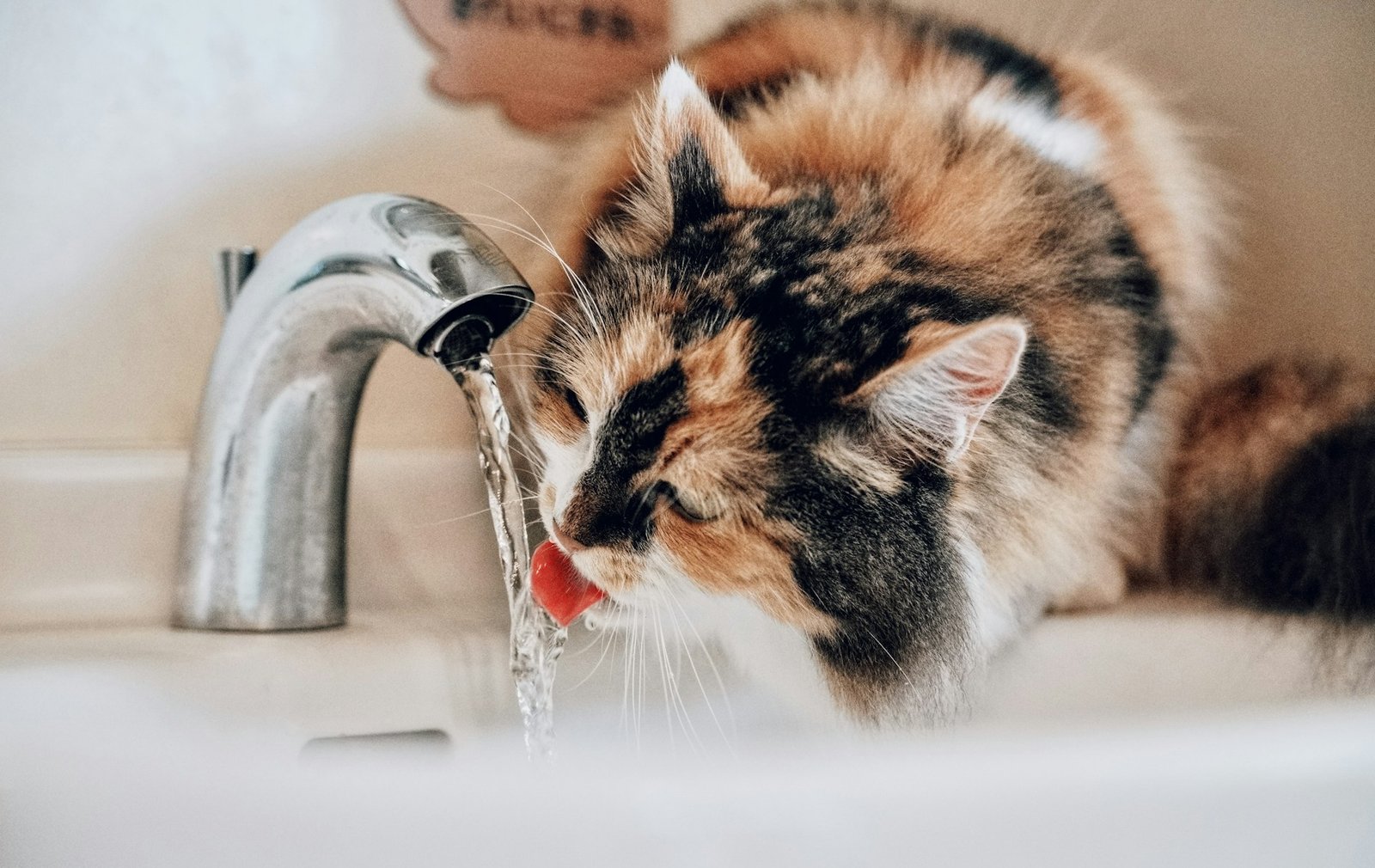

You notice your cat at the water bowl — again. You just filled it this morning, and it is already half empty. Or maybe your cat has started drinking from unusual places — the bathroom tap, a glass on your nightstand, the dog’s bowl. You find yourself wondering: is this normal? Should I be worried? Or is my cat just thirsty?
Is it normal for cats to drink a lot of water? The honest answer is — it depends. Sometimes increased drinking is completely harmless. Other times, it is one of the earliest and most important warning signs your cat’s body gives you. Knowing the difference could genuinely save your cat’s life. This guide explains exactly what normal cat water intake looks like, what causes excessive thirst, what warning signs to watch for, and when to call your vet.
Stay hydrated, kitty! This water fountain will keep your cat drinking all day.
How Much Water Should a Cat Drink Per Day?
Before you can identify a problem, you need to know what normal looks like.
A healthy adult cat should drink approximately 60 millilitres of water per kilogram of body weight per day. For a 4 kg (9 lb) cat, that is roughly 240 ml — or about one cup of water daily.
Here is the important catch: cats get water from two sources — what they drink and what they eat. A cat on wet food gets a significant portion of their daily water from their meals, since wet food is around 70-80% moisture. A cat on dry food gets almost none from their food and needs to drink considerably more.
Normal Daily Water Intake by Diet Type
| Diet Type | Moisture From Food | Expected Daily Drinking |
|---|---|---|
| Exclusively wet food | 70–80% of needs met by food | Small amounts — often just a few laps |
| Mixed wet and dry | Partially met by food | Moderate — a few ounces per day |
| Exclusively dry food | Almost none from food | Significantly more — up to 1 cup or more |
If your cat eats dry food and drinks a lot of water — that is often completely normal. If your cat eats wet food and is still drinking a lot of water — that is worth paying attention to.
This pet water dispenser keeps my fur babies hydrated and the water clean!
Treat your cat to a feast with these delicious wet cat foods! Perfect for gravy lovers.
What Counts as Drinking Too Much Water?
The technical term for excessive thirst in cats is polydipsia — and vets define it as drinking more than 100 ml per kilogram of body weight per day.
In practical terms, that means a 4 kg cat drinking more than 400 ml — nearly two full cups — daily. But you do not need a measuring cup to recognise something has changed. The signals are usually clear:
- Your cat is at the water bowl far more often than before
- You are refilling the bowl significantly more frequently than usual
- Your cat is seeking water from unusual sources — taps, glasses, puddles, plant saucers
- Your cat is drinking and urinating more at the same time
That last point is important. Increased thirst and increased urination almost always go together. If you notice bigger or more frequent clumps in the litter box alongside more drinking — that is a combination that warrants a vet visit.
Common Reasons Why Cats Drink More Water
Not every case of increased drinking points to something serious. Here are the most frequent reasons — starting with the most benign.
Reason 1 — Diet Change or Transition to Dry Food
If you have recently switched your cat from wet to dry food, or even just reduced the amount of wet food in their diet — increased drinking is the expected and appropriate response. Their body is compensating for the moisture they are no longer getting from meals.
This is the single most common and most innocent reason for a cat suddenly drinking more water. Check whether a food change coincides with the change in drinking behaviour before worrying further.
Reason 2 — Hot Weather or Warm Indoor Temperatures
Cats drink more in summer or in heated indoor environments — just like people do. If your home is warmer than usual, your cat’s water intake will naturally increase to compensate.
If your cat is drinking more during a heatwave or after the heating kicked in for winter — and everything else seems normal — this is not a cause for concern.
Reason 3 — Increased Activity or Exercise
A more active cat burns more energy and needs more hydration. If your cat has been more playful than usual, is spending more time in the sun, or you have introduced more playtime — their thirst may simply reflect greater physical output.
This is particularly common in younger cats and kittens, who naturally have higher energy levels and can go from zero to completely wild in seconds.
Reason 4 — Stress or Anxiety
Stress affects cats physically — not just behaviourally. A cat going through a stressful period — a house move, a new pet, changes in routine, loud environments — may drink more water as part of a broader physiological stress response.
This tends to resolve once the stressor is removed or your cat has adjusted. If the increased drinking continues well after the stressful event has passed — it is worth investigating further.
Reason 5 — Medication Side Effects
Certain medications cause increased thirst as a direct side effect. Corticosteroids — commonly prescribed for allergies and inflammatory conditions — are among the most frequent culprits. Diuretics, some antibiotics, and other treatments can also increase water intake.
If your cat started a new medication around the time the increased drinking began — this is likely the explanation. Confirm with your vet if you are unsure.
When Drinking Too Much Is a Medical Warning Sign
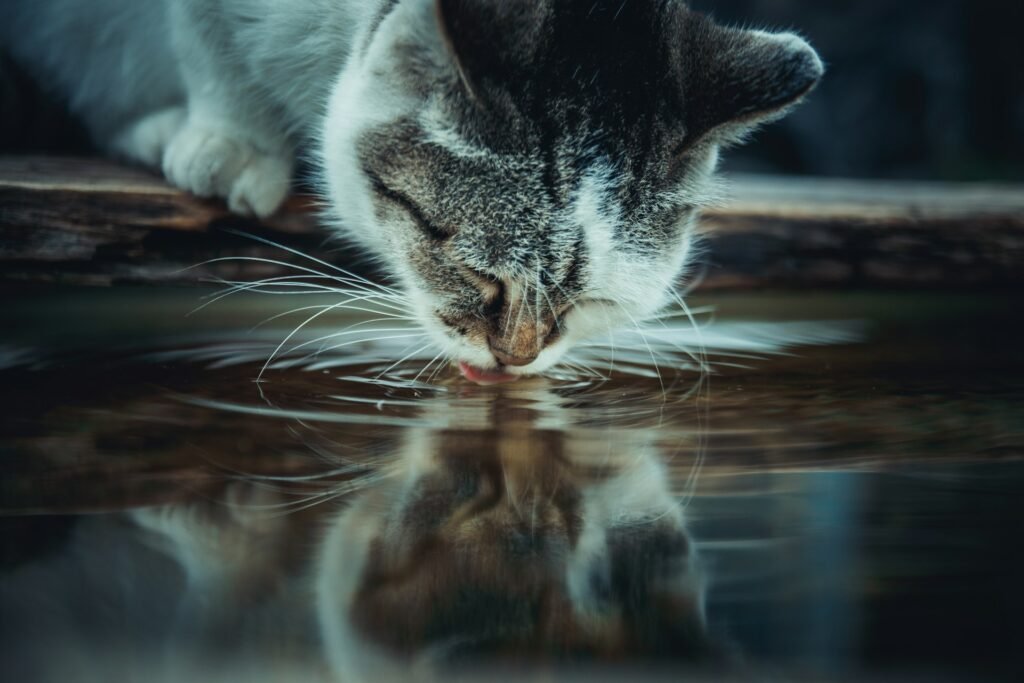
The reasons above are manageable and often self-explanatory. But increased thirst in cats is also one of the earliest and most consistent symptoms of several serious medical conditions.
This is why excessive drinking — especially when it appears alongside other changes — should never be dismissed as “just a phase” for more than a few days.
Diabetes Mellitus
Diabetes is one of the most common causes of polydipsia in cats. When blood sugar is chronically elevated, the kidneys try to flush out the excess glucose — pulling large amounts of water with it. The result is dramatically increased urination and a corresponding dramatic increase in thirst.
Other signs of feline diabetes include weight loss despite a normal or increased appetite, a distinctive sweet smell to the breath, and weakness in the hind legs. As we covered in our guide to why cats stop eating — appetite changes alongside other symptoms are always worth investigating.
Kidney Disease (Chronic Kidney Disease / CKD)
Kidney disease is the most common serious health condition in senior cats — and increased thirst is one of its hallmark early signs. Healthy kidneys concentrate urine efficiently. Damaged kidneys cannot — so they flush out more water, the cat urinates more, and then drinks more to compensate.
The challenge with kidney disease is that cats can lose up to 75% of their kidney function before showing obvious symptoms. Increased drinking is often the first thing owners notice — which is precisely why catching it early matters so much. As we discussed in our guide to how often cats should see the vet — bi-annual senior exams exist specifically to catch conditions like this before they become advanced.
Hyperthyroidism
An overactive thyroid gland accelerates almost every system in your cat’s body — including their metabolism and their thirst. Hyperthyroidism is extremely common in cats over ten years old and increased drinking is a frequent early symptom.
Other signs include unexplained weight loss, increased appetite, a rough or unkempt coat, hyperactivity, and vomiting. The good news is that hyperthyroidism is very manageable when caught early — with medication, dietary therapy, or other treatment options your vet will discuss.
Liver Disease
The liver plays a critical role in fluid regulation, and when it is compromised, thirst can increase significantly. Liver disease in cats may also present with yellowing of the skin or eyes (jaundice), lethargy, vomiting, and loss of appetite.
If your cat is drinking more and you notice any yellowing — treat this as an urgent situation and contact your vet the same day.
Urinary Tract Infection (UTI) or Bladder Issues
Urinary tract infections, bladder inflammation, and other lower urinary tract conditions can cause cats to urinate more frequently — which in turn drives increased thirst. UTIs in cats may also cause straining to urinate, blood in the urine, and urinating in unusual places outside the litter box.
Male cats are particularly at risk of urinary blockages — a life-threatening emergency. If your male cat is straining to urinate or producing no urine at all alongside increased drinking — this requires emergency veterinary attention immediately.
Warning Signs to Watch Alongside Increased Drinking
Context is everything when assessing your cat’s water intake. Drinking more water alone is worth monitoring — but any of the following combinations should prompt a same-day or next-day vet call:
Medical Conditions That Cause Increased Thirst in Cats
| Condition | Other Common Signs | Urgency Level |
|---|---|---|
| Diabetes mellitus | Weight loss, increased appetite, hind leg weakness | Vet within 24-48 hours |
| Chronic kidney disease | Weight loss, vomiting, poor coat | Vet within 24-48 hours |
| Hyperthyroidism | Weight loss, increased appetite, hyperactivity | Vet this week |
| Liver disease | Jaundice, lethargy, vomiting, appetite loss | Same-day vet visit |
| Urinary tract infection | Straining, blood in urine, out-of-box urination | Vet within 24 hours |
| Urinary blockage (male cats) | Straining with no urine output, crying in pain | Emergency vet immediately |
| Hypercalcemia | Lethargy, weakness, vomiting, constipation | Vet within 24-48 hours |
| Pyometra (unspayed females) | Swollen abdomen, discharge, lethargy | Emergency vet immediately |
If your cat is drinking more and losing weight — even with a normal or increased appetite — that combination is a particularly strong signal that something medical is happening. Do not wait on this one.
Why Is My Cat Drinking More Water and Losing Weight?
This specific combination deserves its own attention because it is so clinically significant.
A cat that is eating normally or even more than usual but still losing weight while drinking excessively is displaying a classic triad of symptoms pointing to either diabetes, hyperthyroidism, or kidney disease — the three most common causes of this pattern.
All three are manageable conditions when caught early. All three become significantly harder to manage when they have been progressing undetected for months. If you are noticing this combination in your cat — regardless of their age — book a vet appointment this week.
Why Is My Senior Cat Drinking More Water?
Senior cats — those aged 10 and older — drinking more water should always be taken seriously. The three most common diseases affecting older cats (kidney disease, hyperthyroidism, and diabetes) all present with increased thirst as an early sign.
This is not a coincidence. It is biology — and it is also your best early warning system. A senior cat that is suddenly drinking more water is giving you an opportunity to catch something before it becomes serious.
As we outlined in our guide to how long indoor cats live — early detection of senior health conditions makes an enormous difference to both length and quality of life. Do not attribute increased drinking in a senior cat to “just getting older” without ruling out medical causes first.
How to Encourage Healthy Water Intake in Cats
Even when your cat is not drinking excessively, supporting good hydration is one of the most meaningful things you can do for their long-term health — particularly for kidney function and urinary health.
Use a Cat Water Fountain
Cats are instinctively drawn to moving water over still water — an evolutionary preference rooted in the fact that moving water in nature is usually fresher and safer. A cat water fountain encourages cats to drink more consistently throughout the day by providing the gentle movement and sound that cats find naturally appealing.
For cats prone to kidney issues, urinary problems, or those on a dry food diet — a water fountain is one of the most practically impactful investments you can make for their health.
My cats love this flower-shaped water fountain! Keeps them hydrated and entertained.
Place Multiple Water Stations
One water bowl in one corner of the kitchen is not an optimal setup for most cats. Place water bowls in multiple locations throughout your home — ideally away from the food bowl, since cats instinctively prefer not to drink near where they eat (a preference rooted in prey-contamination avoidance in the wild).
Switch to or Increase Wet Food
Wet food is one of the most effective ways to increase your cat’s overall water intake without relying entirely on them drinking more. Incorporating even one wet food meal per day meaningfully boosts hydration, particularly for cats that are reluctant drinkers.
My cats love the variety pack of Royal Canin cat food. Keeps them healthy and happy!
Keep Bowls Clean and Fresh
Cats are famously fastidious and will avoid water that smells of plastic, soap residue, or stale water. Rinse bowls daily and use stainless steel or ceramic over plastic — plastic bowls harbour bacteria in micro-scratches that affect taste and smell.
Try a Wide, Shallow Bowl
Many cats dislike having their whiskers touch the sides of a bowl — a phenomenon sometimes called whisker fatigue. A wide, shallow dish can make a significant difference to how willingly your cat drinks.
How Long Can a Cat Go Without Water?
Unlike food — where cats can sometimes manage 24-48 hours before it becomes dangerous — water is more immediately critical.
A cat can develop serious dehydration within 24-48 hours of not drinking, particularly in warm conditions or if they are already unwell. Dehydration accelerates rapidly in cats that are also not eating, vomiting, or experiencing diarrhea.
If your cat has not drunk any water for 24 hours — regardless of whether they are eating — contact your vet. Do not wait to see if they drink tomorrow.
FAQ — Is It Normal for Cats to Drink a Lot of Water?
Q: Is it normal for cats to drink a lot of water? A: It depends on context. Cats on dry food naturally drink more than cats on wet food, and warm weather or increased activity can also raise intake. But if your cat’s drinking has noticeably increased without an obvious explanation — and especially if other symptoms are present — it warrants a vet visit.
Q: How much water should a cat drink in a day? A: Approximately 60 ml per kilogram of body weight daily. A 4 kg cat should drink around 240 ml per day — though diet has a major impact, with wet-food cats needing to drink much less than dry-food cats.
Q: Why is my cat drinking a lot of water suddenly? A: A sudden increase in drinking — especially with no recent food change or environmental explanation — is one of the most common early signs of diabetes, kidney disease, or hyperthyroidism in cats. All three are very manageable when caught early. A vet check with bloodwork and urinalysis is the right next step.
Q: Why is my cat drinking a lot of water and urinating frequently? A: Excessive drinking and frequent urination go hand in hand — the kidneys are processing more fluid than normal. This combination is a classic sign of diabetes, kidney disease, or hyperthyroidism and should be investigated promptly.
Q: Should I be worried if my senior cat is drinking more water? A: Yes — take it seriously. Senior cats are significantly more susceptible to kidney disease, hyperthyroidism, and diabetes — all of which present with increased thirst. A senior cat drinking more water should be seen by a vet within the week, even if no other symptoms are obvious yet.
Conclusion
Is it normal for cats to drink a lot of water? Sometimes, yes — if your cat eats dry food, the weather is warm, or their activity level has increased. In those cases, increased drinking is simply their body doing exactly what it should.
But a sudden, unexplained increase in water intake — particularly in a cat over seven years old, or a cat that is also losing weight, urinating more, or showing any other changes — is one of the most important early warning signals your cat can give you. And unlike many signs of illness in cats, this one is visible. You will notice it if you are paying attention.
The most important thing to remember: cats are masters at hiding how they feel. Increased drinking is one of the few early symptoms they cannot hide. When you see it, take it seriously — book a vet visit, ask for bloodwork and a urinalysis, and get answers. Early detection of the conditions that cause excessive thirst is one of the most meaningful differences you can make to your cat’s long-term health and quality of life.
Your cat cannot tell you they are thirsty for a reason. But you can recognise when the reason matters.
Also read: Why does my cat sleep so much? | Why is my cat not eating? | How long do indoor cats live? | How often should I take my cat to the vet? | Why does my cat stare at me?