


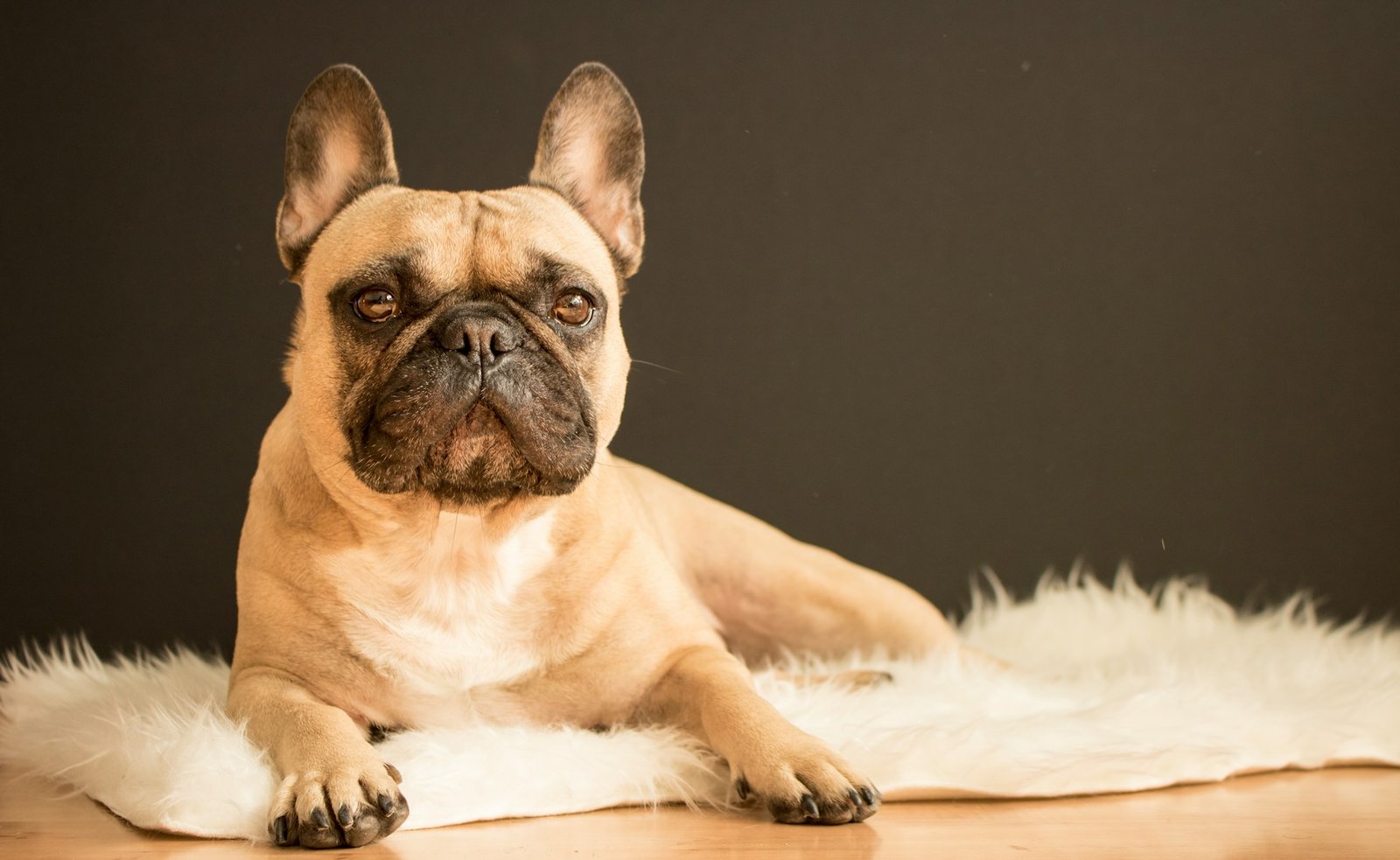

The French Bulldog has become one of the most popular dog breeds in the world — and it is easy to understand why. Compact, affectionate, comically expressive, and genuinely devoted to their owners, the French Bulldog is an exceptional companion dog. But they come with a specific set of care requirements that every owner needs to understand before bringing one home.
This complete French Bulldog care guide covers health, feeding, exercise, grooming, training, and the important breed-specific considerations that make Frenchie ownership different from owning most other breeds.
French Bulldog Breed Overview
The French Bulldog is a small-to-medium companion breed descended from English Bulldogs brought to France by lace workers in the 19th century. Bred down in size and crossed with local ratting dogs, the modern Frenchie emerged as the quintessential urban companion — adaptable, affectionate, low-exercise, and apartment-friendly.
| Feature | French Bulldog |
|---|---|
| Weight | 16–28 lbs (7–13kg) |
| Height | 11–13 inches |
| Lifespan | 10–12 years |
| Coat | Short, smooth, fine |
| Energy level | Low-moderate |
| Trainability | Moderate — stubborn but food motivated |
| Good with children | Yes |
| Good with other dogs | Generally yes |
| Apartment friendly | Excellent |
Understanding the Brachycephalic Issue
The most important thing to understand about French Bulldogs — before anything else — is that they are a brachycephalic breed. Their flat face and shortened skull structure cause Brachycephalic Obstructive Airway Syndrome (BOAS) — a spectrum of respiratory conditions that affects the majority of French Bulldogs to some degree.
BOAS involves:
- Narrowed nostrils (stenotic nares) — restricting airflow at the entrance
- An elongated soft palate — the soft tissue at the back of the throat is too long and partially blocks the airway
- A narrow trachea (hypoplastic trachea) — the windpipe is smaller in diameter than it should be
- Everted laryngeal saccules — tissue that is pulled into the airway by the effort of breathing
What this means practically:
- French Bulldogs snore, snort, and breathe noisily — this is normal but indicates restricted airflow
- They cannot cool themselves through panting as efficiently as long-nosed breeds
- They overheat rapidly in warm weather — see our how to care for a cat in summer heat guide for heat management principles that apply equally to Frenchies
- Exercise tolerance is limited compared to most dogs of similar size
- Anaesthetic risk is significantly higher — always inform a vet your dog is brachycephalic before any procedure
Severe BOAS causes real suffering and can be surgically corrected — widening the nostrils and trimming the soft palate. Many Frenchies benefit significantly from this surgery. If your dog is clearly struggling to breathe during normal activity, discuss BOAS correction with your vet.
Exercise — How Much Does a French Bulldog Need?
French Bulldogs have low to moderate exercise requirements — one of their most appealing qualities for owners with busy lifestyles or limited outdoor space.
Recommended daily exercise:
- 2 short walks of 15–20 minutes each
- Total of 30–40 minutes of moderate activity per day
- Off-lead play in a secure garden counts alongside walks
Critical rules:
- Never exercise in hot weather — French Bulldogs overheat rapidly. Exercise only in the early morning or evening during warm months. On very hot days, skip outdoor exercise entirely
- Watch for signs of overexertion — excessive panting, wheezing, slowing down, or open-mouth breathing at rest are signals to stop immediately and allow the dog to cool down
- Keep walks at a comfortable pace — this is not a jogging companion
- Avoid swimming unsupervised — their heavy head and compact body makes them poor swimmers and at real risk of drowning. Never leave a Frenchie near water unattended
Despite low exercise needs, French Bulldogs need mental stimulation to prevent boredom. Puzzle feeders, training sessions, and interactive toys are important. See our enrichment toys for dogs guide for the best options.
Feeding a French Bulldog
How Much to Feed
French Bulldogs are food-motivated and prone to obesity — which significantly worsens their breathing problems. Maintaining a healthy weight is one of the most important health management decisions for this breed.
Daily food guidelines:
- Adult Frenchie (20 lbs): approximately 1–1.5 cups of quality dry kibble per day, split into two meals
- Always follow the specific feeding guide for the food you use, adjusted for your dog’s actual weight and activity level
See our how much should I feed my dog guide for calculating the right portion for your individual dog.
What to Feed
Quality dry kibble: Look for a food with a named protein source as the first ingredient (chicken, beef, salmon), appropriate for small to medium breeds, and free from excessive fillers.
Wet food: Can be used as a topper or mixed with dry food — increases hydration and palatability. See our wet food vs dry food guide for the comparison principles.
Food allergies: French Bulldogs are prone to food sensitivities — skin itching, ear infections, and digestive upset are common allergy signs. See our best dog food for allergies guide for appropriate diet options.
Feeding Tips for Frenchies
- Use a slow-feeder bowl — French Bulldogs eat quickly and inhale air, causing flatulence and digestive discomfort. A slow-feeder bowl significantly reduces this
- Avoid exercise immediately before or after meals — wait at least 30 minutes either side
- Limit treats — they add up quickly in a small dog’s daily calorie budget
Grooming a French Bulldog
The French Bulldog’s short, smooth coat is one of the lowest-maintenance coats in the dog world — but the breed has specific grooming needs that go beyond the coat.
Coat Care
Weekly brushing with a rubber grooming mitt or soft bristle brush removes loose hair and stimulates the skin. Bathe every 4–6 weeks with a gentle dog shampoo. Despite the short coat, French Bulldogs do shed — particularly in spring and autumn.
Skin Fold Cleaning — Critical
This is the most important grooming task for a French Bulldog. The wrinkles and skin folds on the face — around the nose, under the eyes, and in the tail pocket — trap moisture, bacteria, and yeast. Without regular cleaning, these folds develop infections that cause significant pain and a characteristic unpleasant smell.
Clean skin folds weekly minimum:
- Gently separate the fold
- Wipe with a damp cloth or pet-safe grooming wipe
- Dry thoroughly — moisture trapped in folds causes infection
- Apply a small amount of fold cream or balm if redness or irritation is present
Tail Pocket Cleaning
Many French Bulldogs have a small indentation around their corkscrew tail — the “tail pocket.” This area traps dirt and moisture and requires the same weekly cleaning as facial folds. Neglected tail pockets develop painful infections that sometimes require surgical correction.
Ear Cleaning
French Bulldogs’ upright bat ears are well-ventilated but still benefit from monthly cleaning with a vet-approved ear solution. Check ears weekly for redness, odour, or discharge — signs of infection that need veterinary treatment.
Nail Trimming
Every 3–4 weeks. French Bulldogs have strong, fast-growing nails that affect gait if left too long.
Dental Care
French Bulldogs are prone to dental disease — their compact jaw means teeth are crowded. Brush 2–3 times weekly with dog-specific toothpaste. See our how to clean dog teeth without brushing guide for alternatives if brushing is not accepted.
Training a French Bulldog
French Bulldogs are intelligent and genuinely trainable — but they are also famously stubborn. They respond best to training that feels rewarding rather than obligatory.
What works:
- Short sessions (5–10 minutes) — Frenchies lose interest quickly
- High-value food rewards — they are highly food motivated
- Positive reinforcement exclusively — punishment-based methods cause anxiety and shutdown
- Consistency across all household members — a rule that applies sometimes does not apply
What to start with:
- Basic commands — sit, stay, down, come
- Leash manners — start early, Frenchies can pull despite their size
- Crate training — builds independence and provides a safe space. See our crate training guide
- Separation tolerance — French Bulldogs bond intensely and are prone to separation anxiety. Build alone-time tolerance gradually from puppyhood. See our separation anxiety guide
French Bulldog Health — Common Conditions
Beyond BOAS, French Bulldogs have several breed-specific health concerns every owner should know:
Intervertebral Disc Disease (IVDD)
French Bulldogs have a high incidence of IVDD — a condition where the cushioning discs between vertebrae rupture or herniate, causing pain and sometimes paralysis. Signs include reluctance to jump, crying when touched on the back, wobbling, or sudden inability to use the hind legs. This is a veterinary emergency. Avoid encouraging jumping on and off furniture — use ramps or steps.
Hip Dysplasia
Common in French Bulldogs. OFA-certified parent dogs reduce risk. See our my dog is limping guide for signs of joint problems.
Skin Conditions
Prone to atopic dermatitis, contact allergies, and fold-related infections. A quality diet, regular fold cleaning, and prompt veterinary treatment of skin flare-ups manages this effectively.
Eye Conditions
Prominent eyes are at risk of corneal ulcers and cherry eye (prolapsed third eyelid gland). Any redness, discharge, or squinting needs prompt veterinary assessment. See our dog eye discharge guide for what to watch for.
Heat Sensitivity
Cannot be overstated. French Bulldogs die from heatstroke every year — left in cars, exercised in hot weather, or simply left in a hot room without adequate ventilation. This is a breed-specific emergency risk that requires constant owner awareness.
Reproductive Difficulties
Most French Bulldogs cannot mate or give birth naturally due to their conformation — artificial insemination and caesarean section are standard for the breed. This is relevant to breeders but worth understanding as context for why ethical Frenchie breeding is expensive and responsible.
French Bulldog Cost and Finding a Reputable Breeder
French Bulldogs are one of the most expensive dog breeds to buy and own:
Purchase price: $1,500–$5,000+ from a responsible breeder. Very cheap Frenchies are almost always from irresponsible breeders — cutting corners on health testing, socialisation, and veterinary care.
Ongoing costs: Frenchies have higher-than-average veterinary costs due to their health profile. Pet insurance is strongly recommended. See our best pet insurance guide for the best options for this breed.
Responsible breeder checklist:
- Health tests parent dogs for BOAS, hips, eyes, and cardiac conditions
- Does not breed dogs with severely compromised breathing
- Socialises puppies from birth
- Allows you to meet both parent dogs
- Does not release puppies before 8 weeks (10 weeks is preferable)
- Asks you questions about your lifestyle and experience
French Bulldog Care — FAQ
Are French Bulldogs good for first-time owners? Yes and no. Their low exercise needs, apartment friendliness, and affectionate nature suit many first-time owners. Their health complexity, veterinary costs, and training stubbornness can be challenging. Research thoroughly before committing.
Do French Bulldogs do well alone? No — French Bulldogs bond intensely and many develop separation anxiety when left alone for long periods. They are best suited to owners who work from home or can arrange dog care during the day.
Can French Bulldogs swim? Not safely without supervision. Their heavy, flat-faced head and compact body makes them poor swimmers who tire quickly. Never leave a Frenchie unsupervised near water.
How long do French Bulldogs live? The average lifespan is 10–12 years. Choosing a well-bred dog from health-tested parents and maintaining a healthy weight significantly influences longevity.
Do French Bulldogs bark a lot? They are not excessive barkers compared to many small breeds, but they are communicative and will alert you to visitors. Their primary vocalisations are snoring, snorting, and occasional dramatic vocal complaints.
Also read: Pitbull Mixed with French Bulldog | Best Dog Food for Allergies | Separation Anxiety in Dogs | Best Pet Insurance for Dogs in the USA