
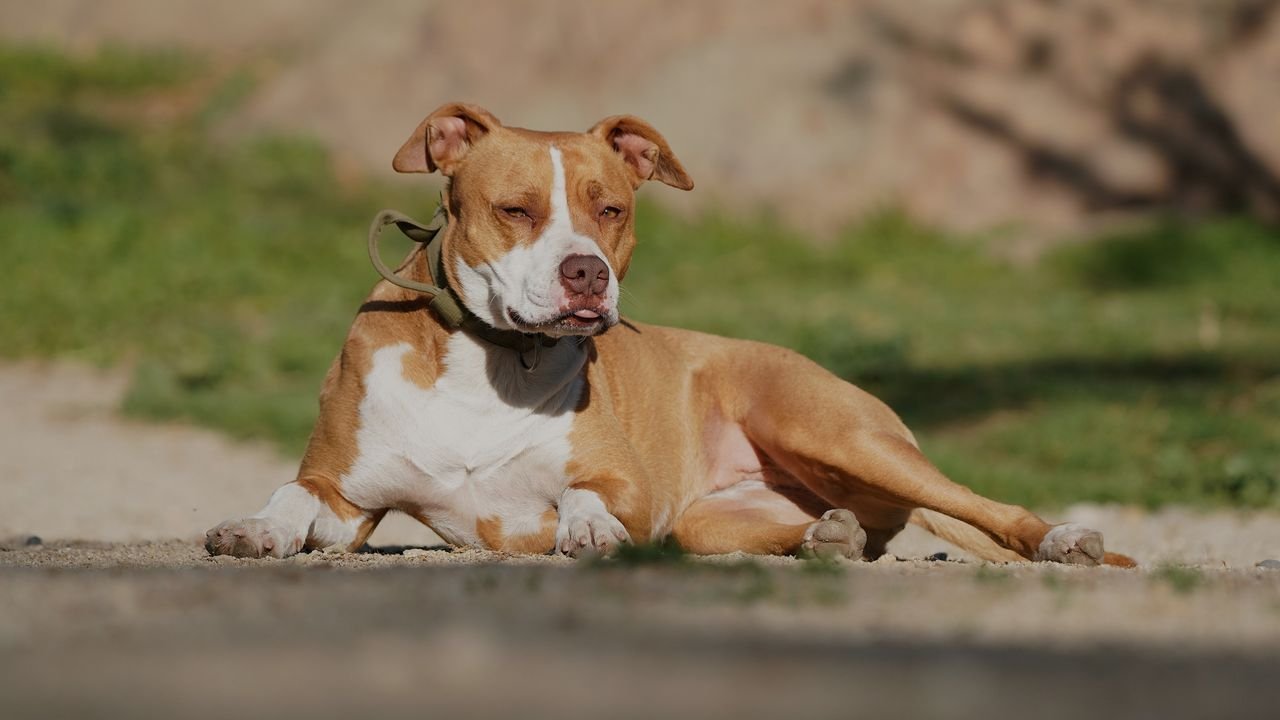

The Pitsky is one of the most visually striking and personality-rich hybrid dogs you can own — a cross between the American Pit Bull Terrier and the Siberian Husky that combines two of the most energetic, loyal, and misunderstood breeds in existence. The result is a dog that is athletic, intelligent, deeply bonded to its family, and absolutely not for the faint-hearted.
This guide covers everything you need to know about the Pitsky — appearance, temperament, training, exercise needs, health, and whether this hybrid is the right match for your lifestyle.
What Is a Pitsky?
A Pitsky is a first-generation hybrid (F1 cross) between an American Pit Bull Terrier (or American Staffordshire Terrier) and a Siberian Husky. Like all first-generation crosses, puppies can inherit any combination of traits from either parent — two puppies from the same litter can look and behave quite differently.
The American Pit Bull Terrier
Despite a complicated public reputation, the American Pit Bull Terrier is a loyal, people-oriented, intelligent breed. Properly bred and socialised Pit Bulls are known for affection, playfulness, and a strong desire to please their owners. They are athletic, physically powerful, and respond very well to positive reinforcement training.
The Siberian Husky
The Siberian Husky was bred by the Chukchi people of northeastern Siberia as endurance sled dogs — covering vast distances in Arctic conditions. They are intelligent, athletic, vocal, and fiercely independent. Unlike the Pit Bull, the Husky is not bred to please humans — they are independent thinkers who sometimes decide their own plan is better than yours.
When you cross these two breeds, you get a dog that combines the Pit Bull’s loyalty and affection with the Husky’s athleticism and striking appearance — alongside the Husky’s independence and the Pit Bull’s power.
What Does a Pitsky Look Like?
Size
The Pitsky is a medium to large dog. Most adults weigh between 35–65 pounds (16–29kg) and stand 19–21 inches at the shoulder. The Husky’s leaner build and the Pit Bull’s muscular frame combine to produce a dog that is powerful but not as heavy as a purebred Pit Bull.
Coat
The coat varies significantly depending on which parent’s genetics dominate:
- Short, smooth coat — if the Pit Bull coat dominates. Low maintenance, minimal shedding.
- Medium to long, dense double coat — if the Husky coat dominates. Significant shedding, particularly during seasonal blow-out periods.
Most Pitskies fall somewhere between — a medium-length coat that is denser than a standard Pit Bull but shorter than a full Husky coat.
Common colours: Black and white, grey and white, brindle, fawn, red, or combinations with Husky-style facial markings.
Eyes
The Husky’s blue eye gene is dominant enough to appear frequently in the Pitsky. Many have:
- Striking blue eyes
- Brown eyes
- Heterochromia — one blue, one brown
Blue-eyed Pitsky puppies are among the most sought-after in the designer dog market.
Build
Athletic and muscular — the Pit Bull’s broad chest and strong shoulders combined with the Husky’s lean endurance body. The result is a dog that looks powerful but moves with the grace and agility of a working dog.
| Feature | Pit Bull | Siberian Husky | Typical Pitsky |
|---|---|---|---|
| Weight | 30–65 lbs | 35–60 lbs | 35–65 lbs |
| Height | 17–21 inches | 20–23 inches | 19–21 inches |
| Coat | Short, smooth | Dense double coat | Medium, variable |
| Eyes | Brown | Blue, brown, mixed | Often blue or mixed |
| Build | Muscular, broad | Lean, athletic | Athletic, powerful |
Pitsky Temperament — What to Expect
Loyalty and Affection
Both parent breeds form intense bonds with their families. The Pit Bull’s devotion to its people combined with the Husky’s social nature produces a dog that is deeply affectionate with family members. Pitskies are not standoffish — they want to be involved in everything their family does.
Intelligence and Independence
The Pitsky is genuinely intelligent — but the Husky’s independence moderates the Pit Bull’s eagerness to please. This is not a dog that will automatically do what you ask because you asked. They need a reason — and that reason had better be worth it.
This makes training both rewarding (they are capable of learning quickly) and challenging (they will ignore commands they find pointless or boring). Short, engaging, reward-based sessions work far better than long repetitive drills.
Energy Level
High — very high. Both parent breeds were working dogs with significant exercise requirements. A Pitsky that does not get adequate daily exercise will find its own outlets — and you will not enjoy the results.
Vocalisations
The Husky’s famous talkativeness often comes through. Pitskies can howl, talk, bark, and vocalise at impressive volume. This is not a quiet breed.
With Children
Generally good with children in the household when properly raised and socialised. Supervision is important given their size and energy — not because of aggression, but because an enthusiastic 60-pound Pitsky can easily knock over a small child in excitement.
With Other Dogs and Pets
Variable. Pit Bulls can be dog-selective; Huskies are generally social. The Pitsky’s compatibility with other dogs depends heavily on which parent’s temperament dominates and the quality of early socialisation. Cats and small animals require careful introduction — the Husky’s prey drive can be expressed.
Training a Pitsky
Training a Pitsky well is one of the most important investments you will make with this breed. Both parent breeds are strong, athletic, and capable of causing significant problems if untrained — and this hybrid combines those qualities.
Positive Reinforcement Only
Harsh training methods do not work with Pitskies and actively damage the relationship. Both parent breeds are sensitive to punishment-based approaches — they shut down or become anxious rather than complying. High-value treats, enthusiastic praise, and play-based rewards produce excellent results. See our best dog training treats guide for the most effective training reward options.
Start Early
Begin socialisation and training from day one. The critical window between 8–16 weeks is when your Pitsky forms its understanding of the world. Use it to expose them to different people, environments, sounds, other dogs, and handling — every positive experience during this period builds the confident, adaptable adult you want. See our how to potty train a puppy guide for the foundational early training approach.
Recall Training Is Critical
The Husky’s recall is one of the least reliable of any breed — they were bred to make decisions independently over vast distances. Begin recall training immediately and practice it in every environment, at every level of distraction. Until recall is rock solid, exercise only in securely fenced areas.
Address Leash Pulling Early
The combination of Pit Bull power and Husky pulling drive makes a Pitsky on a standard flat collar nearly impossible for many owners to manage. Start leash training immediately and consider a front-clip harness. See our best dog harness for pulling guide for the most effective options.
Enrichment Is Essential
A Pitsky that is physically exercised but mentally bored is still a problem. Puzzle feeders, training sessions, scent work, and interactive play sessions are as important as physical walks. Our enrichment toys for dogs guide covers the best options for high-intelligence breeds.
Exercise Requirements
The Pitsky needs substantial daily exercise — plan for 60–90 minutes of vigorous physical activity every day. This is not a breed that will be satisfied with a short walk.
Activities Pitskies excel at:
- Running alongside a cyclist or jogger
- Off-lead running in securely fenced areas
- Swimming — many love water
- Fetch and tug sessions
- Hiking
- Dog sports — agility, weight pulling, canicross
What to avoid:
- Insufficient exercise — leads to destructive behaviour, excessive vocalisation, and anxiety
- Off-lead in unfenced areas before recall is completely reliable
- High-intensity exercise in hot weather — both parent breeds have some heat sensitivity
Health Considerations
As a first-generation hybrid, the Pitsky often benefits from hybrid vigour — but can still inherit health vulnerabilities from both parents.
Hip Dysplasia
Common in both parent breeds — the Pitsky has elevated risk. Responsible breeders should OFA or PennHIP certify both parent dogs before breeding.
Eye Conditions
Huskies are prone to hereditary cataracts, progressive retinal atrophy (PRA), and corneal dystrophy. Parent dogs should have current ophthalmology certification.
Hypothyroidism
Common in Huskies — causes weight gain, lethargy, and coat changes. Annual thyroid testing is recommended for adult Pitskies.
Skin Allergies
Pit Bulls are prone to skin allergies — environmental and food-based. See our best dog food for allergies guide for dietary options that support skin health.
Heart Disease
Both breeds have some predisposition to cardiac conditions. Annual cardiac auscultation at the vet check is sensible.
| Health Concern | Risk | Action |
|---|---|---|
| Hip dysplasia | High (both parents) | OFA-certified parents, joint supplements |
| Eye conditions | Moderate (Husky) | Annual ophthalmology check |
| Hypothyroidism | Moderate (Husky) | Annual thyroid panel |
| Skin allergies | Moderate (Pit Bull) | Quality diet, vet assessment |
| Heart disease | Low-moderate | Annual cardiac check |
Life expectancy: 12–15 years for a healthy, well-bred Pitsky.
Grooming the Pitsky
Grooming needs vary based on coat type:
Short coat (Pit Bull dominant): Weekly brush with a rubber grooming mitt, bathe every 4–6 weeks. Very low maintenance.
Medium-long coat (Husky dominant): Brush 3–4 times weekly with a slicker brush and undercoat rake. Daily brushing during seasonal blow-out periods. Significant shedding year-round.
Either way: Check and clean ears monthly, trim nails every 3–4 weeks, brush teeth 2–3 times weekly.
Is a Pitsky Right for You?
This hybrid suits you if:
- You are an experienced dog owner familiar with strong-willed breeds
- You can commit to 60–90 minutes of vigorous exercise daily
- You have a securely fenced property — this is essential, not optional
- You have time for consistent, ongoing training
- You want an athletic, loyal, visually stunning companion
This hybrid is not suitable if:
- You are a first-time dog owner
- You are away from home for long periods daily
- You live in a small apartment with no outdoor space
- You want a calm, low-maintenance companion
- Your property is not securely fenced
Finding a Pitsky
Since Pitskies are not a standardised breed, you will not find them through breed-specific rescues or AKC registries.
Responsible breeders: Look for breeders who health-test both parent dogs (OFA hips, ophthalmology for the Husky parent). A responsible breeder will ask you questions about your lifestyle, experience, and living situation.
Rescue: Both Pit Bull and Husky rescues occasionally have mixed-breed dogs available. Mixed-breed dog rescues are also worth checking.
Pitsky price: Typically $500–$2,000 depending on coat colour, eye colour, and breeder reputation. Blue-eyed puppies command a premium.
Pitsky FAQ
How big does a Pitsky get? Most adults weigh 35–65 pounds and stand 19–21 inches tall. Size depends on the size of the parent dogs used in the breeding.
Do Pitskies shed a lot? Depends on the coat. Husky-dominant coats shed significantly — year-round with heavy seasonal blow-outs. Pit Bull-dominant coats shed minimally.
Are Pitskies aggressive? No — a properly bred and socialised Pitsky is affectionate and people-oriented. The Pit Bull’s reputation for aggression is largely a product of irresponsible breeding and handling, not breed temperament. Early socialisation is essential.
Are Pitskies good with kids? Generally yes — with supervision given their size and energy. They are affectionate and playful but need teaching appropriate greeting behaviour early.
How much exercise does a Pitsky need? 60–90 minutes of vigorous activity daily — this is a non-negotiable requirement for this breed.
Also read: Siberian Husky Mix with American Bulldog | Goberian — Golden Retriever Husky Mix | Dog Anxiety — Signs, Causes and Treatments | Best Dog Harness for Pulling