
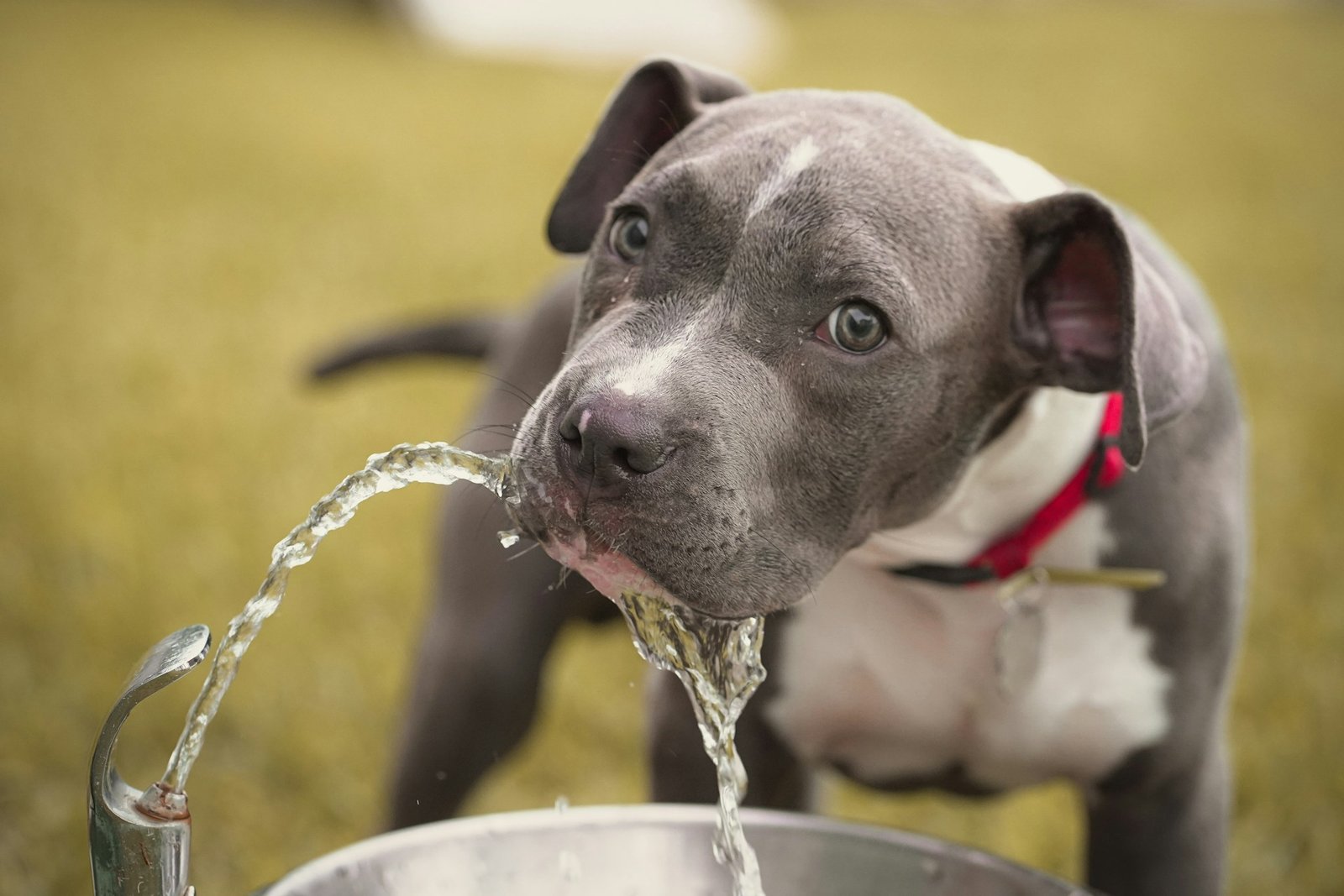

Noticing that your dog is drinking too much water is worth taking seriously. While increased thirst can sometimes have a simple explanation — hot weather, more exercise, a saltier diet — persistent, unexplained excessive drinking is one of the most reliable early warning signs of several serious medical conditions in dogs.
The medical term for excessive drinking is polydipsia, and it almost always comes alongside excessive urination (polyuria). If your dog is drinking more and urinating more, that pattern matters.
How Much Water Should a Dog Drink?
A healthy dog drinks approximately 1 ounce of water per pound of body weight per day — so a 50-pound dog drinks roughly 50 ounces (about 6 cups) daily. This varies based on diet, activity level, and temperature.
Dogs eating wet food drink significantly less than dogs eating dry kibble, as wet food contains up to 80% water.
Excessive drinking is generally defined as consuming more than 100ml per kg of body weight per day. In practical terms — if your dog is emptying the water bowl far faster than usual, asking for refills repeatedly, or seeking water from unusual sources (puddles, toilet bowls), that is a sign worth investigating.
Common Causes of Excessive Drinking in Dogs
Diabetes Mellitus
One of the most common causes of polydipsia in dogs. When blood glucose levels are chronically elevated, the kidneys attempt to flush out the excess sugar through urine — taking large amounts of water with it. The dog drinks more to compensate for the fluid lost.
Other signs of diabetes in dogs:
- Increased appetite alongside weight loss
- Cloudy eyes (cataracts develop rapidly in diabetic dogs)
- Lethargy
- Recurring infections
Diabetes in dogs is manageable with insulin therapy and dietary changes, but requires prompt diagnosis and lifelong management.
Cushing’s Disease (Hyperadrenocorticism)
Overproduction of cortisol by the adrenal glands — either due to a pituitary tumour or an adrenal tumour. Cushing’s is one of the most common endocrine disorders in middle-aged and older dogs.
Signs alongside excessive drinking and urination:
- Pot-bellied appearance
- Hair loss — symmetrical, on the body rather than the legs
- Increased appetite
- Panting excessively
- Muscle weakness and lethargy
- Thin, fragile skin
Kidney Disease (Chronic Kidney Disease / CKD)
Failing kidneys lose their ability to concentrate urine, resulting in large volumes of dilute urine being produced — and compensatory increased drinking. Kidney disease is particularly common in older dogs.
Other signs:
- Weight loss
- Reduced appetite
- Vomiting
- Bad breath with a chemical or ammonia-like smell
- Lethargy
Early kidney disease is manageable with diet modification and supportive care — early detection through routine blood and urine testing makes a significant difference to outcomes. See our how to care for a senior dog guide for age-related health monitoring.
Liver Disease
The liver plays a role in regulating many body functions including fluid balance. Liver disease can cause increased thirst alongside jaundice (yellowing of the skin, gums, or whites of the eyes), vomiting, and abdominal swelling.
Hyperthyroidism
Less common in dogs than in cats, but an overactive thyroid can increase metabolic rate and cause increased thirst, weight loss, and hyperactivity.
Pyometra (Unspayed Female Dogs)
A life-threatening uterine infection that causes dramatic increases in thirst and urination alongside lethargy, vaginal discharge, and abdominal swelling. This is an emergency — unspayed middle-aged to older female dogs with sudden polydipsia need urgent veterinary assessment.
Urinary Tract Infection (UTI)
UTIs cause frequent urination — often in small amounts — alongside increased water intake. Other signs include straining to urinate, blood in the urine, and licking the genital area. More common in female dogs.
Medications
Several common medications cause increased thirst as a side effect:
- Corticosteroids (prednisone) — one of the most common medication-related causes
- Diuretics — prescribed for heart conditions, these increase urination and secondary thirst
- Phenobarbital — used for seizure management
If your dog started drinking more shortly after beginning a new medication, mention it to your vet.
Heat and Exercise
Increased drinking after vigorous exercise or on hot days is normal and expected. If drinking returns to normal once your dog has cooled down and rested, there is no cause for concern. Persistent increased drinking that continues regardless of temperature or activity level is different.
When to See the Vet
See the vet within 24–48 hours if:
- Increased drinking has been present for more than a few days
- Your dog is also urinating more frequently or in larger amounts
- Increased thirst is accompanied by weight loss, lethargy, or reduced appetite
- Your dog is an unspayed female — rule out pyometra promptly
Go to the vet same day if:
- Your unspayed female dog is drinking excessively alongside lethargy and vaginal discharge
- Your dog seems unwell alongside the increased drinking
- Your dog has not eaten in more than 24 hours
What Your Vet Will Do
Your vet will typically run:
- Blood panel — checks kidney function, liver function, glucose, and cortisol levels
- Urinalysis — checks urine concentration, glucose in urine, and signs of infection
- Blood pressure measurement — hypertension is common alongside several of the conditions listed
- Abdominal ultrasound — if Cushing’s, liver disease, or pyometra is suspected
These tests together usually identify the cause of polydipsia efficiently. Early diagnosis of all the conditions listed above leads to significantly better treatment outcomes.
Measuring Your Dog’s Water Intake
If your vet asks you to monitor water intake at home before the appointment:
- Use a measuring jug to fill the water bowl at the start of the day
- Record how much you add throughout the day
- Calculate the total consumed over 24 hours
- Note any water from other sources — wet food, puddles outdoors
This information is very useful to your vet and saves time at the appointment.
My Dog Is Drinking Too Much Water — FAQ
My dog drinks a lot after exercise — is this normal? Yes — increased drinking after exercise or in hot weather is completely normal. The concern is persistent increased drinking that occurs regardless of activity level, temperature, or diet changes.
Can a change in diet cause increased drinking? Yes — switching from wet food to dry food increases water intake significantly, as dry food contains very little moisture. This is normal and expected. Switching back or adding water to kibble reduces thirst.
My dog keeps drinking from the toilet — is this a problem? Toilet drinking is often just a preference for cold, fresh water — many dogs prefer it for this reason. However, if combined with other signs of excessive thirst, it is worth noting as part of the overall picture when you speak to your vet.
My senior dog has started drinking more — should I worry? Increased thirst in an older dog is more likely to have a medical cause — kidney disease, Cushing’s, and diabetes are all more common in older dogs. A vet check with bloodwork is strongly recommended for any senior dog with new-onset polydipsia.
Can stress cause a dog to drink more? Mild stress can cause temporary increased drinking. However, stress alone rarely causes the persistent, significant polydipsia that warrants veterinary investigation. If your dog’s stress levels have increased — due to a new pet, house move, or routine change — see our dog anxiety guide for management strategies.
Also read: How to Care for a Senior Dog | Dog Anxiety — Signs, Causes and Treatments | My Dog Is Not Eating | Dog Skin Problems and Itching