


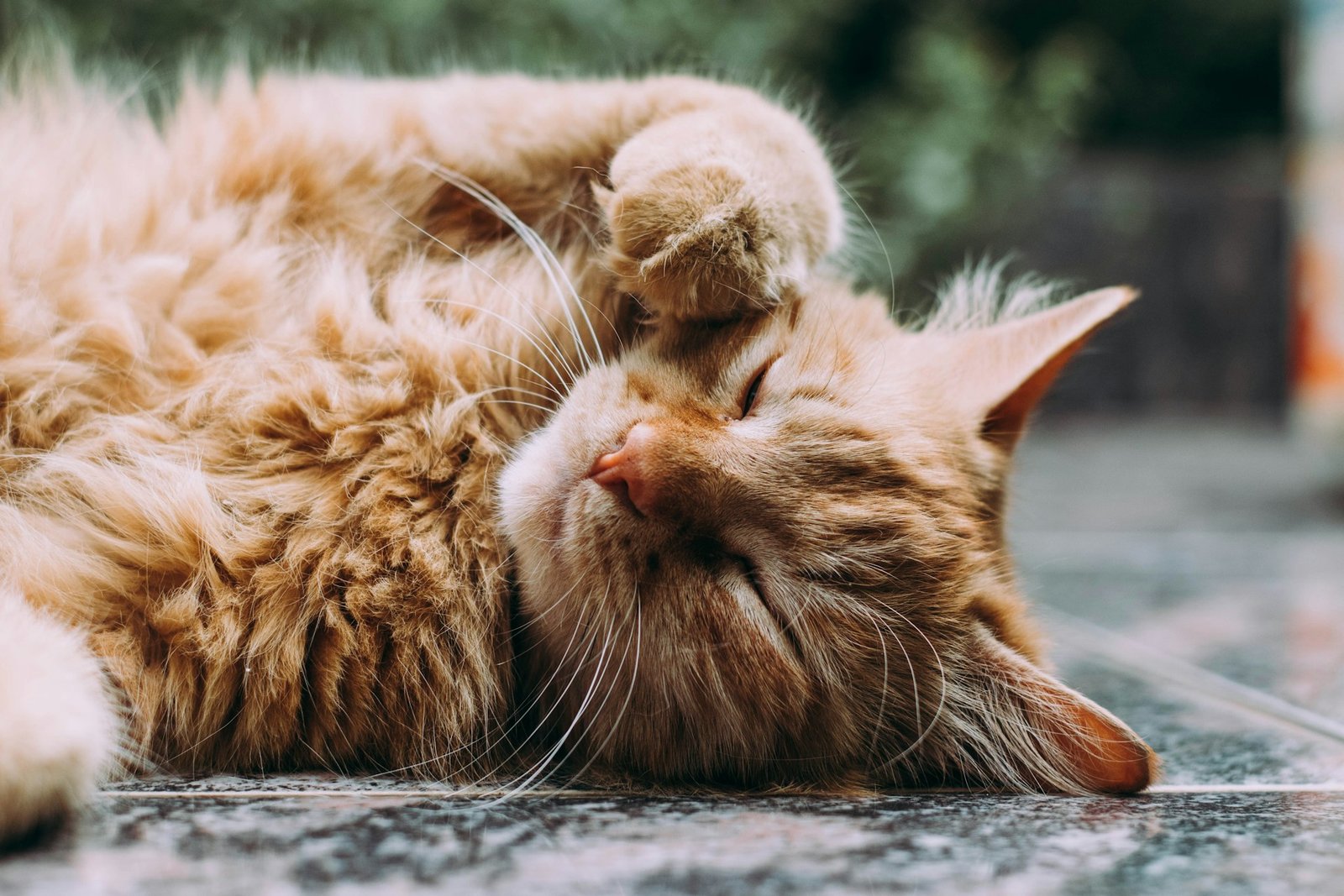

You look at your cat curled up in their favourite spot and wonder — how many more years do we have together? It is one of the most natural questions a cat owner asks, and one worth understanding properly.
How long do cats live depends on several factors — whether they live indoors or outdoors, their breed, their diet, their healthcare, and a significant element of genetic luck. The average domestic cat lives 12–18 years, but many cats live well into their twenties with the right care.
This complete guide covers average lifespan by breed, indoor vs outdoor cats, how to help your cat live longer, and what to expect with common health conditions.
How Long Do Cats Live on Average?
The average domestic cat lives 12 to 18 years. This is the general range covering most pet cats in the USA and Canada. However, the range is wide because lifestyle, breed, and healthcare make an enormous difference.
| Cat Type | Average Lifespan |
|---|---|
| Indoor domestic cat | 12–18 years |
| Outdoor or indoor-outdoor cat | 5–7 years |
| Feral cat | 2–5 years |
| Well-cared-for indoor cat | 15–20 years |
| Exceptional cases | 25–30 years |
The single biggest factor affecting cat lifespan is whether they live indoors or outdoors. Indoor cats live on average two to three times longer than outdoor or feral cats. The reasons are straightforward — indoor cats avoid traffic, predators, infectious disease, extreme weather, and injury.
How Long Do Indoor Cats Live?
Indoor cats typically live 12 to 18 years, with many reaching 20 years or beyond. The oldest reliably documented domestic cat was Creme Puff from Austin, Texas, who lived to 38 years and 3 days — an extraordinary exception, but a reminder of what is possible with excellent care.
Indoor cats live longer for several clear reasons:
- No exposure to traffic — one of the leading causes of death in outdoor cats
- No fights with other cats — which spread FIV, FeLV, and cause serious wounds
- No exposure to toxins, pesticides, or rat poison
- No predator risk from coyotes, dogs, or birds of prey
- Regular veterinary care is more consistent for indoor cats
- Controlled diet prevents obesity and nutritional deficiencies
If you currently have an indoor-outdoor cat and are considering transitioning to indoor only, this is one of the most impactful changes you can make for their longevity.
For more on keeping your cat healthy, read our guide on how to tell if your cat is sick — catching health issues early is one of the most important factors in a long cat life.
How Long Do Outdoor Cats Live?
Outdoor cats and indoor-outdoor cats live significantly shorter lives — typically 5 to 7 years on average. Feral cats, who receive no veterinary care and face the full range of outdoor dangers, typically live only 2 to 5 years.
The risks outdoor cats face daily include:
- Road traffic — the most common cause of sudden death in outdoor cats
- FIV (Feline Immunodeficiency Virus) — spread through bite wounds from cat fights
- FeLV (Feline Leukaemia Virus) — spread through close contact with infected cats
- Upper respiratory infections — highly contagious between outdoor cats
- Parasites — fleas, ticks, roundworms, and ringworm
- Predators — coyotes, dogs, foxes, and birds of prey in some areas
- Toxic substances — antifreeze, rat poison, pesticides
- Extreme weather — heat stroke in summer, hypothermia in winter
This does not mean outdoor cats cannot live long, happy lives — many do. But the statistical reality is that indoor cats live significantly longer.
How Long Do Cats Live by Breed?
Breed has a meaningful influence on cat lifespan. Mixed-breed cats often benefit from hybrid vigour — generally living longer than purebred cats. Among purebreds, some breeds are known for exceptional longevity while others face breed-specific health challenges that shorten their lives.
Long-Lived Cat Breeds
Siamese — 15–20 years Siamese cats are one of the longest-lived breeds. Many Siamese reach their late teens or early twenties with good care. They are prone to respiratory issues and dental disease but generally robust.
Burmese — 16–18 years Burmese cats consistently rank among the longest-lived purebreds. They are athletic, lean, and relatively free of the severe hereditary conditions that affect some other breeds.
Balinese — 15–20 years The Balinese — essentially a long-haired Siamese — shares the breed’s longevity. Their low Fel d1 production also makes them popular with allergy sufferers. Read our guide on hypoallergenic cats for more.
Russian Blue — 15–20 years Russian Blues are known for their quiet temperament and strong health. They are not prone to many inherited conditions and often live well into their late teens.
Siberian — 11–18 years Siberians are a generally healthy, robust breed with good longevity. Their thick coat requires regular grooming but they have few breed-specific health issues.
Domestic Shorthair and Domestic Longhair — 12–18 years Mixed-breed domestic cats are consistently among the longest-lived cats. Without the genetic bottlenecks of selective breeding, they tend to have stronger immune systems and fewer hereditary conditions.
Average Lifespan Breeds
Maine Coon — 12–15 years Maine Coons are one of the most popular large breeds but face elevated risk of hypertrophic cardiomyopathy (HCM) — a heart condition that can shorten lifespan. Regular cardiac screening is important for this breed.
Ragdoll — 12–15 years Ragdolls are gentle, affectionate cats with a moderate lifespan. Like Maine Coons, they have elevated HCM risk. Female Ragdolls often live longer than males.
Bengal — 12–16 years Bengals are active, athletic cats that generally live well with adequate exercise and stimulation. They can be prone to certain heart and digestive conditions.
British Shorthair — 12–17 years British Shorthairs are stocky, calm cats with a solid lifespan. They can be prone to obesity — which significantly reduces lifespan — so weight management is particularly important.
Norwegian Forest Cat — 14–16 years Generally healthy with a good lifespan, though can be prone to HCM and glycogen storage disease type IV in some lines.
Abyssinian — 9–15 years Abyssinians are active, athletic cats but are prone to renal amyloidosis — a kidney condition that can develop from middle age onward.
Persian — 10–17 years Persians are prone to polycystic kidney disease (PKD), respiratory issues from their flat face, and dental problems. DNA testing of breeding parents can identify PKD carriers.
Shorter-Lived Breeds
Sphynx — 8–14 years The Sphynx has a shorter average lifespan partly due to elevated risk of hypertrophic cardiomyopathy and hereditary myopathy. Regular cardiac monitoring is essential.
Devon Rex — 9–15 years Devon Rex cats can be prone to HCM and hereditary myopathy. Generally lively and healthy but require attentive veterinary care.
Munchkin — 12–15 years Munchkins are relatively new as a recognised breed. Their shortened legs raise some ongoing debate about long-term skeletal health, though many live normal lifespans.
Cat Lifespan by Breed — Quick Reference Table
| Breed | Average Lifespan | Key Health Concerns |
|---|---|---|
| Siamese | 15–20 years | Respiratory, dental disease |
| Burmese | 16–18 years | Diabetes, cranial deformities |
| Balinese | 15–20 years | Liver amyloidosis |
| Russian Blue | 15–20 years | Few hereditary concerns |
| Domestic Shorthair | 12–18 years | Generally very robust |
| Maine Coon | 12–15 years | HCM, hip dysplasia |
| Ragdoll | 12–15 years | HCM |
| Bengal | 12–16 years | HCM, PK deficiency |
| British Shorthair | 12–17 years | Obesity, HCM |
| Norwegian Forest | 14–16 years | HCM, glycogen storage disease |
| Persian | 10–17 years | PKD, respiratory issues |
| Sphynx | 8–14 years | HCM, hereditary myopathy |
| Munchkin | 12–15 years | Skeletal concerns |
| Abyssinian | 9–15 years | Renal amyloidosis |
How Long Do Cats Live in Human Years?
Cats age much faster than humans in their early years, then slow down. The old “one cat year = seven human years” rule is not accurate. Here is a more precise conversion:
| Cat Age | Approximate Human Equivalent |
|---|---|
| 1 year | 15 human years |
| 2 years | 24 human years |
| 5 years | 36 human years |
| 10 years | 56 human years |
| 15 years | 76 human years |
| 20 years | 96 human years |
| 25 years | 116 human years |
A 10-year-old cat is solidly middle-aged. A 15-year-old cat is the equivalent of a 76-year-old human — and deserves the attentive healthcare that implies.
How Long Do Cats Live With Common Health Conditions?
How Long Do Cats Live With Kidney Disease?
Chronic kidney disease (CKD) is the most common condition affecting senior cats. Life expectancy depends heavily on the stage at diagnosis:
| CKD Stage | Typical Survival With Management |
|---|---|
| Stage 1 | Years — often normal lifespan with management |
| Stage 2 | 2–5 years with appropriate diet and care |
| Stage 3 | 1–3 years with active management |
| Stage 4 | Weeks to months |
Early diagnosis through regular bloodwork makes an enormous difference. Cats in Stage 1 or 2 caught early can live for several more comfortable years with prescription diet, hydration support, and medication.
If your cat is drinking significantly more water than usual, read our guide on is it normal for cats to drink a lot of water — this is one of the earliest signs of kidney disease.
How Long Do Cats Live With Hyperthyroidism?
Hyperthyroidism is very treatable. Cats diagnosed and treated appropriately — with medication, radioactive iodine, or surgery — can live for many additional years. Untreated hyperthyroidism progressively damages the heart and kidneys, significantly shortening lifespan.
With treatment, many hyperthyroid cats live 3 to 5 additional years or more after diagnosis. Radioactive iodine treatment is considered curative in most cases.
How Long Do Cats Live With Diabetes?
Diabetic cats that receive appropriate insulin management and dietary changes can live for years after diagnosis — with some achieving diabetic remission entirely with a low-carbohydrate wet food diet. The key factors are consistent monitoring, correct insulin dosing, and dietary management.
For more on wet food for cats, read our guide on wet food vs dry food for cats — a high-protein, low-carbohydrate diet is particularly important for diabetic cats.
How Long Do Cats Live With FIV?
FIV (Feline Immunodeficiency Virus) does not automatically shorten a cat’s life dramatically. Many FIV-positive cats live normal lifespans — 10 to 15 years — with attentive healthcare and indoor-only living to prevent secondary infections. FIV is not a death sentence but requires careful management.
How Long Do Cats Live With FeLV?
Feline Leukaemia Virus (FeLV) is more serious than FIV. Average survival after diagnosis is 2 to 3 years, though some cats live longer with supportive care. Regular monitoring and prompt treatment of secondary infections extend quality of life significantly.
How Long Do Cats Live With Cancer?
This varies enormously depending on cancer type, stage at diagnosis, and treatment. Intestinal lymphoma — the most common cancer in cats — can be managed for months to over 2 years with chemotherapy in many cases. Early detection and treatment always improve outcomes.
How Long Do Cats Live With Heart Disease?
Hypertrophic cardiomyopathy (HCM) — the most common feline heart condition — can be managed for months to years depending on severity. Cats with mild HCM caught early may live normally for several years with medication. Advanced congestive heart failure typically has a prognosis of weeks to months.
How Long Can a Cat Live Without Food?
A healthy adult cat can survive without food for approximately 1 to 2 weeks if water is available, but this comes with serious risk. After 24–48 hours without food, cats begin breaking down body fat — which can trigger hepatic lipidosis (fatty liver disease), a potentially fatal condition.
A cat that has not eaten for more than 24–48 hours warrants a vet visit. A cat not eating combined with weight loss is particularly urgent — read our guide on why is my cat losing weight for a full breakdown of causes.
Without water, cats deteriorate much faster — 3 to 4 days without water is typically fatal.
How to Help Your Cat Live Longer — Proven Strategies
The difference between a cat that lives 12 years and one that lives 20 years is rarely luck alone. These strategies consistently support longer, healthier cat lives:
1. Keep Them Indoors
The single most impactful decision. Indoor cats live on average 2–3 times longer than outdoor cats. If your cat currently goes outside, a gradual transition to indoor-only living is the most significant lifespan extension you can make.
2. Feed a High-Quality Diet
A high-protein, low-carbohydrate diet that closely mirrors a cat’s natural prey diet supports kidney health, healthy weight, and overall vitality. Wet food is strongly preferred over dry food for its moisture content — read our full guide on best cat food for indoor cats.
3. Maintain a Healthy Weight
Overweight cats face significantly higher risk of diabetes, joint disease, urinary problems, and heart disease — all of which shorten lifespan. Regular weight monitoring and portion control are essential.
4. Regular Veterinary Checkups
Annual checkups for cats under 7, twice-yearly for cats over 7. Bloodwork from around age 7 onwards allows early detection of kidney disease, hyperthyroidism, and diabetes — all significantly more treatable when caught early.
5. Keep Vaccinations Current
Core vaccines — FVRCP and rabies — protect against serious viral diseases. Outdoor and indoor-outdoor cats may need additional protection for FeLV.
6. Dental Care
Dental disease is extremely common in cats and directly affects quality of life and longevity. Regular tooth brushing, dental chews, and professional dental cleanings prevent painful dental disease and the systemic inflammation it causes.
7. Mental and Physical Enrichment
Cats that are mentally stimulated — through play, puzzle feeders, cat trees, and window perches — maintain healthier weights, experience less stress, and show fewer signs of cognitive decline in senior years.
8. Spay or Neuter
Spayed and neutered cats live significantly longer than intact cats. Spaying eliminates the risk of uterine infection and significantly reduces mammary cancer risk. Neutering eliminates testicular cancer and reduces roaming behaviour that exposes cats to danger.
9. Parasite Prevention
Monthly flea and tick prevention, regular intestinal parasite testing, and heartworm prevention (in endemic areas) prevent the cumulative damage parasites cause over years.
10. Manage Stress
Cats are highly sensitive to environmental stress. Consistent routines, a calm home environment, adequate hiding spaces, and multiple resources (food bowls, litter boxes, sleeping spots) in multi-cat homes all reduce chronic stress — a significant contributor to illness.
The Oldest Cats Ever Recorded
The longest-lived domestic cats on record provide a remarkable reminder of what exceptional care can achieve:
- Creme Puff (Austin, Texas) — 38 years, 3 days. The oldest verified cat in recorded history.
- Grandpa Rex Allen (Austin, Texas) — 34 years. Creme Puff’s owner, Jake Perry, also owned Grandpa.
- Rubble (Exeter, UK) — 31 years.
- Scooter (Mansfield, Texas) — 30 years.
- Baby (Duluth, Minnesota) — 38 years (unverified by Guinness).
Most of these cats were indoor-only, received consistent veterinary care, and were fed high-protein diets throughout their lives.
Frequently Asked Questions
How long do cats live on average? The average domestic indoor cat lives 12 to 18 years. Well-cared-for indoor cats frequently live into their twenties. Outdoor and feral cats live significantly shorter lives — typically 5 to 7 years and 2 to 5 years respectively.
How long do indoor cats live? Indoor cats typically live 12 to 18 years, with many reaching 20 or beyond. The oldest verified domestic cat lived to 38. Indoor living is the single biggest factor in extending cat lifespan.
How long do cats live with kidney disease? It depends on the stage at diagnosis. Cats with early-stage CKD caught through routine bloodwork can live 2 to 5 additional years with appropriate management. Stage 4 kidney disease typically has a prognosis of weeks to months.
Which cat breed lives the longest? Siamese, Burmese, Balinese, and Russian Blue cats are consistently among the longest-lived breeds — often reaching 15 to 20 years. Mixed-breed domestic cats also tend to live very long lives due to hybrid vigour.
How can I help my cat live longer? The most impactful steps are: keep them indoors, feed a high-quality wet food diet, maintain healthy weight, schedule twice-yearly vet visits from age 7 onwards, keep vaccinations current, and provide regular dental care.
How long can a cat live without food? A healthy adult cat can survive 1 to 2 weeks without food if water is available, but hepatic lipidosis (fatty liver disease) can develop within 48 hours of not eating — particularly in overweight cats. Any cat not eating for more than 24 to 48 hours needs a vet visit.
Conclusion
How long do cats live? Most indoor cats live 12 to 18 years, with many reaching 20 or beyond when given excellent care. Breed, lifestyle, diet, healthcare, and a degree of genetic luck all play a role — but the choices you make as an owner have a far greater impact on your cat’s lifespan than most people realise.
Keeping your cat indoors, feeding a high-quality diet, maintaining healthy weight, and scheduling regular vet visits from middle age onwards are the four most evidence-based strategies for a longer, healthier cat life.
For more cat health and care advice, read our guides on how to tell if your cat is sick, why is my cat losing weight, and best cat food for indoor cats.
Always consult your vet for specific guidance on your cat’s health, lifespan expectations, and management of any diagnosed conditions.
Also read: How to Tell If Your Cat Is Sick | Why Is My Cat Losing Weight? | Is It Normal for Cats to Drink a Lot of Water? | Best Cat Food for Indoor Cats | Wet Food vs Dry Food for Cats