


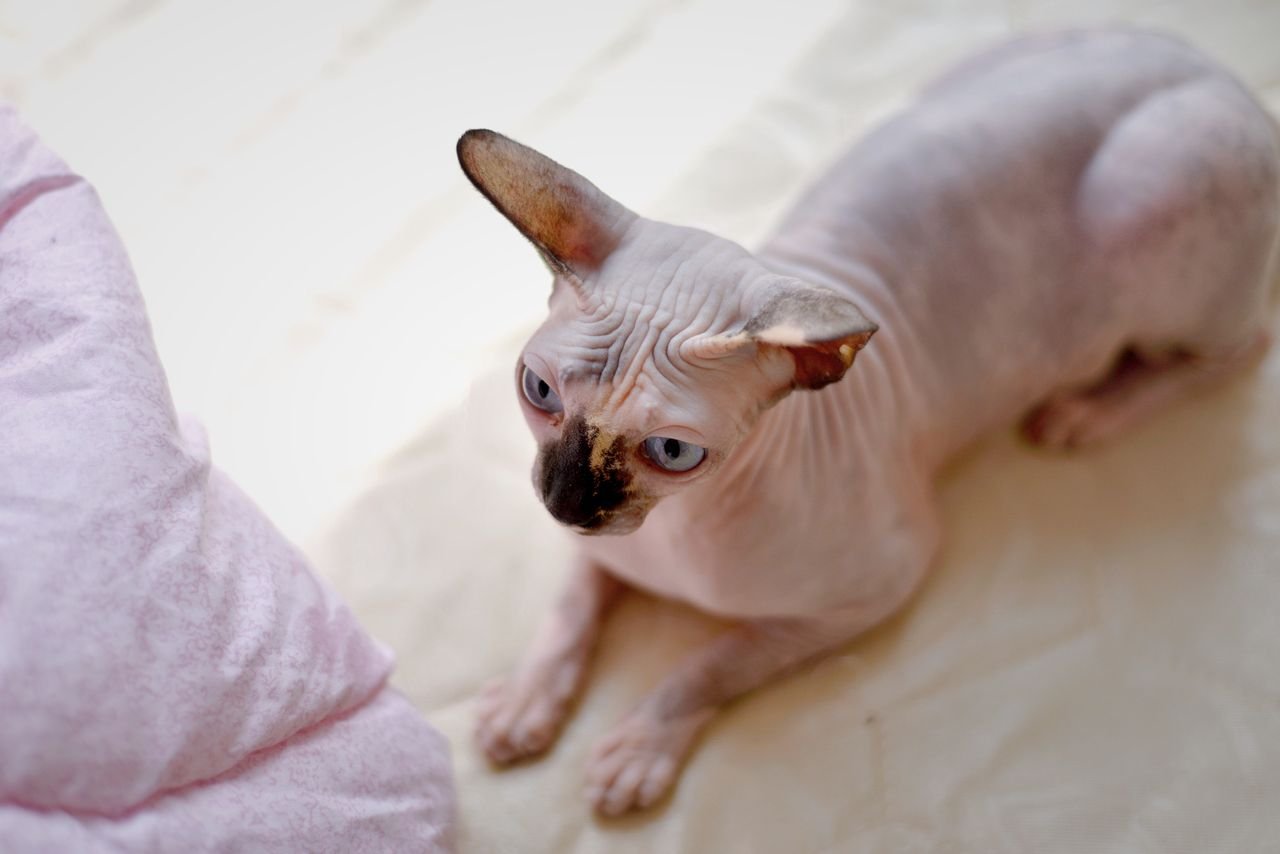

You love cats. Your eyes do not. Every time you visit a friend with a cat, the sneezing starts, your eyes get itchy, and you spend the rest of the evening wondering why you are like this.
If that sounds familiar, hypoallergenic cats might be the answer you have been looking for. While no cat is 100% allergy-free, certain breeds produce significantly less of the protein that triggers reactions in allergy sufferers — and for many people, that difference is enough to live comfortably with a cat for the first time.
This complete guide covers what hypoallergenic actually means, the science behind cat allergies, the best breeds for allergy sufferers, and everything you need to know before bringing one home.
What Does Hypoallergenic Mean for Cats?
Here is the most important thing to understand before anything else: no cat is truly 100% hypoallergenic. The word hypoallergenic means less likely to cause an allergic reaction — not impossible to cause one.
Cat allergies are not caused by fur, as many people assume. They are caused by a protein called Fel d1, produced primarily in a cat’s saliva, skin glands, and urine. When a cat grooms itself, Fel d1-coated saliva dries on the fur and becomes airborne as tiny particles called dander. These particles land on furniture, carpets, bedding, and clothing — and trigger allergic reactions when inhaled or touched.
Hypoallergenic cat breeds produce less Fel d1 than average — or shed less, which means less dander circulates in the home. This is why many allergy sufferers can live comfortably with certain breeds while reacting badly to others.
The level of reaction also varies by individual. One person with mild cat allergies may do fine with a Siberian; someone with severe allergies may still react. Spending time with the specific breed — and ideally the specific cat — before committing is always the right approach.
Why Do Some Cats Cause Fewer Allergies Than Others?
The answer comes down to two factors: how much Fel d1 a breed produces and how much they shed.
Breeds that naturally produce lower levels of Fel d1 in their saliva and skin glands cause fewer reactions regardless of coat length. The Siberian and Balinese are classic examples — both have full coats but produce significantly less Fel d1 than average.
Breeds that shed very little — like the Cornish Rex, Devon Rex, and Sphynx — spread less dander around the home even if their Fel d1 production is average.
Male cats produce more Fel d1 than female cats. Unneutered males produce the most. If allergies are a concern, a spayed female cat of a low-Fel d1 breed gives you the best chance of a reaction-free home.
Best Hypoallergenic Cat Breeds — Ranked and Reviewed
1. Siberian — Best Overall Hypoallergenic Cat
The Siberian is the gold standard for allergy sufferers who want a full-coated, affectionate cat. Despite their thick, triple-layered coat, Siberians are known to produce significantly lower levels of Fel d1 than most other breeds — making them one of the most allergy-friendly cats available.
Siberians are large, playful, and deeply affectionate. They are often described as dog-like in their loyalty and enjoy following their owners around the house. They adapt well to families with children and other pets.
Shedding level: Moderate — regular brushing needed Fel d1 level: Low — one of the lowest of any breed Temperament: Affectionate, playful, intelligent Best for: Families, allergy sufferers who want a fluffy cat.
Hypoallergenic cat grooming brush
2. Balinese — Best Hypoallergenic Long-Haired Cat
The Balinese is essentially a long-haired Siamese — and one of the most surprising entries on any hypoallergenic cat list. Despite their silky, flowing coat, Balinese cats produce very low levels of Fel d1 and are consistently ranked among the best cats for allergy sufferers.
Balinese cats are vocal, social, and highly intelligent. They bond strongly with one person and enjoy being involved in everything their owner does. If you want a talkative, affectionate companion who happens to be gentle on your allergies, the Balinese is an exceptional choice.
Shedding level: Low to moderate Fel d1 level: Very low Temperament: Vocal, intelligent, devoted Best for: Single owners, allergy sufferers who love long-haired cats
3. Sphynx — Best Cat for Severe Allergy Sufferers
The Sphynx is the most recognisable cat on this list — hairless, wrinkled, and absolutely devoted to human company. Without fur to hold dander, the Sphynx spreads significantly less allergen around the home than coated breeds.
However — and this is important — the Sphynx is not dander-free. Their skin still produces Fel d1 in the oils on their skin, and without fur to absorb it, that oil can transfer directly to furniture and human skin. Regular bathing (weekly or biweekly) is essential to keep allergen levels manageable.
Shedding level: None — no fur Fel d1 level: Moderate — but no fur to spread it Temperament: Extremely affectionate, social, attention-seeking Best for: Allergy sufferers willing to commit to regular bathing.
Hypoallergenic cat bath wipes for Sphynx
4. Cornish Rex — Best Low-Maintenance Hypoallergenic Cat
The Cornish Rex has a uniquely short, wavy coat that lies close to the body. Because they only have the soft undercoat layer (no guard hairs or awn hairs), they shed far less than most cats — which means significantly less dander in the home.
Cornish Rex cats are energetic, playful, and kitten-like well into adulthood. They love warmth and will seek out the warmest spot in the house — which is usually next to their owner. They are an excellent choice for active households.
Shedding level: Very low Fel d1 level: Average — but minimal shedding reduces exposure Temperament: Playful, energetic, warm-seeking Best for: Active families, allergy sufferers who want a low-shed cat.
5. Devon Rex — Best Hypoallergenic Cat for Families
Similar to the Cornish Rex but with even softer, more loosely curled fur and oversized ears that give them an almost elfin appearance. Devon Rex cats shed very little and their short, fine coat means minimal dander distribution around the home.
Devon Rex cats are sociable, mischievous, and love being carried around. They get along well with children and other pets, and their playful nature makes them popular family cats.
Shedding level: Very low Fel d1 level: Average — minimal shedding limits exposure Temperament: Sociable, mischievous, affectionate Best for: Families with children, allergy sufferers who want a playful cat
6. Oriental Shorthair — Best Hypoallergenic Cat for Active Owners
The Oriental Shorthair is a close relative of the Siamese — sleek, athletic, and intensely vocal. Their very short, fine coat sheds minimally, which keeps dander levels in the home relatively low.
Oriental Shorthairs are not a laid-back breed. They demand attention, interaction, and stimulation. For owners who want an engaging, communicative cat that is also relatively gentle on allergies, the Oriental Shorthair delivers.
Shedding level: Low Fel d1 level: Low to moderate Temperament: Vocal, demanding, highly social Best for: Experienced cat owners, active households
7. Russian Blue — Best Hypoallergenic Cat for Quiet Homes
The Russian Blue is a naturally gentle, reserved breed known for producing lower levels of Fel d1 than average. Their dense double coat is somewhat misleading — despite looking plush, Russian Blues shed less than expected and are considered one of the better choices for mild to moderate allergy sufferers.
Russian Blues are quiet, loyal, and slightly reserved with strangers but deeply bonded with their families. They suit calmer households and owners who appreciate a cat that is affectionate without being demanding.
Shedding level: Moderate — less than coat suggests Fel d1 level: Below average Temperament: Quiet, loyal, gentle Best for: Quiet households, single owners, mild allergy sufferers
8. Siamese — Most Popular Hypoallergenic Cat
The Siamese is one of the most searched hypoallergenic cat breeds — and while they are not as low in Fel d1 as Siberians or Balinese, their short, fine coat sheds minimally and distributes less dander than longer-coated breeds.
Siamese cats are famously social and vocal. They form strong bonds with their owners and do not do well when left alone for long periods. If you want a communicative, devoted companion that is also relatively allergy-friendly, the Siamese is a classic choice.
Shedding level: Low Fel d1 level: Moderate — but low shedding helps Temperament: Vocal, social, affectionate Best for: Owners who are home frequently, mild allergy sufferers
9. Javanese — Best Hypoallergenic Cat You Have Not Heard Of
The Javanese is a close relative of the Balinese, sharing similar low Fel d1 production in a slightly different coat pattern. They are not as widely known as Siberians or Siamese but are consistently recommended by breeders for allergy sufferers.
Javanese cats are athletic, curious, and enjoy interactive play. They get on well with children and adapt easily to new environments.
Shedding level: Low to moderate Fel d1 level: Low Temperament: Athletic, curious, playful Best for: Families, allergy sufferers wanting a less common breed
10. Bengal — Best Hypoallergenic Cat for Adventurous Owners
The Bengal has a short, dense, pelt-like coat that requires minimal grooming and sheds very little. While Bengals are not as low in Fel d1 as Siberians or Balinese, their minimal shedding significantly reduces the amount of allergen distributed in the home.
Bengals are active, confident, and endlessly curious. They are not a lap cat — they are more interested in exploring, climbing, and playing than sitting still. Bengals suit owners who can provide plenty of stimulation and enjoy an energetic, interactive pet.
Shedding level: Very low Fel d1 level: Moderate — minimal shedding compensates Temperament: Active, confident, curious Best for: Experienced cat owners, active households
Hypoallergenic Cat Breeds Comparison Table
| Breed | Fel d1 Level | Shedding | Coat | Best For |
|---|---|---|---|---|
| Siberian | Very low | Moderate | Long, thick | Families, fluffy cat lovers |
| Balinese | Very low | Low–Moderate | Long, silky | Single owners, devoted companions |
| Sphynx | Moderate | None | Hairless | Severe allergy sufferers |
| Cornish Rex | Average | Very low | Short, wavy | Active households |
| Devon Rex | Average | Very low | Short, curly | Families with children |
| Oriental Shorthair | Low–Moderate | Low | Short, fine | Active, experienced owners |
| Russian Blue | Below average | Moderate | Short, dense | Quiet households |
| Siamese | Moderate | Low | Short, fine | Social, home-based owners |
| Javanese | Low | Low–Moderate | Medium | Families |
| Bengal | Moderate | Very low | Short, pelt-like | Adventurous owners |
Are Long-Haired Cats Worse for Allergies?
This is one of the most common misconceptions about cat allergies. Coat length does not determine how allergenic a cat is — Fel d1 production does.
The Siberian and Balinese are both long-haired breeds that consistently outperform many short-haired breeds for allergy sufferers — because their Fel d1 production is low, not because of their coat length.
That said, a long-haired cat that sheds heavily distributes more dander around the home than a short-haired low-shedding cat of the same Fel d1 level — so both factors matter.
The worst combination for allergy sufferers: high Fel d1 production + heavy shedding. Breeds like Persian and Maine Coon fall into this category and are generally not recommended for allergy sufferers.
Tips for Living With a Cat When You Have Allergies
Even with the most hypoallergenic breed, these steps make a significant difference to allergen levels in your home.
Choose a Female or Neutered Cat
Unneutered male cats produce the highest levels of Fel d1. Spayed females produce the least. If allergies are a serious concern, always choose a spayed female cat of a low-Fel d1 breed.
Keep Cats Out of the Bedroom
You spend 7–9 hours in your bedroom every night. Keeping it a cat-free zone dramatically reduces your allergen exposure during your longest period of inactivity.
Use a HEPA Air Purifier
A quality HEPA air purifier removes airborne dander particles from the room. Place one in the rooms where your cat spends the most time and one in the bedroom as a preventive measure.
HEPA air purifier for pet dander
Vacuum Frequently With a HEPA Filter Vacuum
Standard vacuums recirculate fine dander particles back into the air. A vacuum with a HEPA filter traps them. Vacuum upholstered furniture, carpets, and cat bedding at least twice a week.
Groom Your Cat Regularly
Regular brushing reduces the amount of loose fur and dander in the environment. Brushing outdoors or in a well-ventilated area prevents the released dander from settling indoors.
Wash Your Hands After Handling
Cat saliva is the primary source of Fel d1. Washing your hands thoroughly after handling your cat — and before touching your face or eyes — significantly reduces contact reactions.
Consider Air Filters for Your HVAC System
High-quality HVAC filters with a MERV rating of 11 or higher trap dander particles before they circulate through your home’s air system. Replace filters regularly.
What About Cat Litter for Allergy Sufferers?
Some cat owners with allergies react not just to cat dander but to the dust produced by clay cat litters — which can carry dander particles and irritate the respiratory system independently.
Low-dust or dust-free cat litters significantly reduce this issue. Plant-based, paper pellet, and silica crystal litters all produce minimal dust compared to standard clay litters.
For a full breakdown of litter options, read our guide on best cat litter for odour control — many of the low-dust options covered there are also the most suitable for allergy sufferers.
Where to Find Hypoallergenic Cats for Adoption or Sale
Breed-specific rescues — many breeds including Siberians, Siamese, and Cornish Rex have dedicated rescue organisations across the USA and Canada. Search for breed-specific rescues in your state or province.
Reputable breeders — if buying from a breeder, always visit in person and ask to spend time with the specific cat before committing. Your allergy response to that individual cat is the most reliable test available.
Petfinder and Adopt-a-Pet — both platforms allow you to filter by breed, making it possible to find hypoallergenic breeds available for adoption at shelters near you.
Spend time first — before committing to any cat, visit the breeder or rescue and spend at least 30–60 minutes with the cat in an enclosed space. Some people with allergies react differently to individual cats even within the same breed.
Frequently Asked Questions
Are there truly hypoallergenic cats? No cat is 100% hypoallergenic. The term means less likely to cause allergic reactions. Breeds like Siberian and Balinese produce significantly less Fel d1 than average, making them much more suitable for allergy sufferers — but no breed guarantees a zero reaction.
What is the most hypoallergenic cat breed? The Siberian and Balinese are consistently ranked as the most hypoallergenic cat breeds due to their very low Fel d1 production. The Sphynx is the best option for severe allergy sufferers due to having no fur to spread dander.
Are male or female cats better for allergy sufferers? Female cats — especially spayed females — produce significantly less Fel d1 than male cats. Unneutered males produce the most. For allergy sufferers, a spayed female of a low-Fel d1 breed is always the best choice.
Do hypoallergenic cats still shed? Most hypoallergenic cats still shed to some degree — the exception is the Sphynx, which has no fur. Breeds like Cornish Rex, Devon Rex, and Bengal shed very little, while Siberians shed moderately despite being low in Fel d1.
Can I build up immunity to cat allergies? Some people find their symptoms reduce over time after prolonged exposure to a specific cat. This is not guaranteed and should not be relied upon as a strategy. Allergy testing and immunotherapy (allergy shots) prescribed by a doctor are the evidence-based approaches for building tolerance.
Are Ragdoll cats hypoallergenic? No — Ragdolls are not considered hypoallergenic. They shed significantly and produce average to above-average levels of Fel d1. They are generally not recommended for allergy sufferers.
Conclusion
Hypoallergenic cats are not a myth — they are real, and for many allergy sufferers they represent the difference between having a cat and not having one. The key is understanding that it is about Fel d1 production and shedding levels, not fur length or size.
The Siberian and Balinese are the gold standard for low Fel d1 production. The Sphynx, Cornish Rex, and Devon Rex are the best choices for minimal shedding. Combine a low-Fel d1 breed with HEPA air filtration, a cat-free bedroom, and regular grooming — and most mild to moderate allergy sufferers can live happily with a cat.
For more cat care advice, read our guides on best cat food for indoor cats, best cat litter for odour control, and how to tell if your cat is sick.
Always spend time with the specific cat or breed before committing to adoption or purchase if you have cat allergies. Individual cats vary in Fel d1 production even within the same breed.
Also read: Best Cat Food for Indoor Cats | Best Cat Litter for Odour Control | How to Tell If Your Cat Is Sick | Wet Food vs Dry Food for Cats | Can Cats Eat Tuna?