


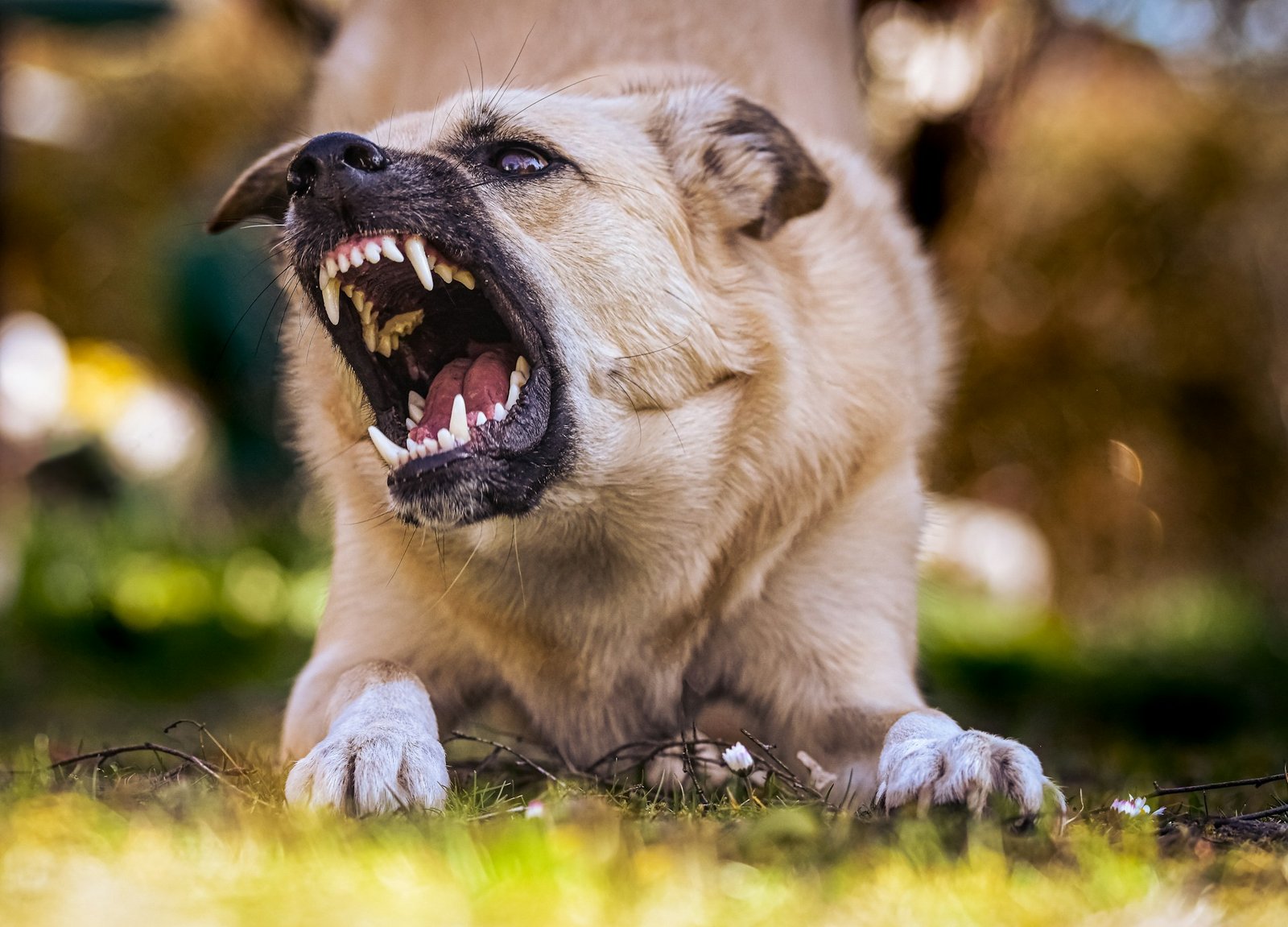

A dog bite is frightening enough on its own — but the fear of rabies makes it even more alarming. Does every dog bite carry a rabies risk? What should you do immediately after being bitten? And how do you know if the dog was vaccinated?
This guide answers these questions clearly so you know exactly what to do if you or someone you know is bitten by a dog.
Can a Dog Bite Cause Rabies?
The short answer is: yes, but the risk in the USA is very low for domestic dogs.
Rabies is a viral disease transmitted through the saliva of an infected animal — most commonly through a bite that breaks the skin. Once symptoms appear, rabies is almost always fatal. This makes prevention and prompt response after a bite critically important.
However, rabies in domestic dogs in the United States is extremely rare. According to the Centers for Disease Control and Prevention (CDC), the USA has seen dramatic reductions in canine rabies due to widespread vaccination programmes. Most rabies cases in the USA now come from wildlife — bats, raccoons, skunks, and foxes — rather than domestic dogs.
That said, the risk is never zero, particularly if:
- The dog’s vaccination status is unknown
- The bite came from a stray or feral dog
- You are in a country where canine rabies is still prevalent
- The dog was behaving abnormally before biting
Signs That a Dog May Have Rabies
A rabid dog does not always foam at the mouth — this is a late-stage symptom. Earlier signs include:
- Sudden, unexplained behavioural change — a friendly dog becoming aggressive, or a shy dog becoming unusually bold
- Disorientation or staggering
- Excessive drooling or difficulty swallowing
- Sensitivity to light and sound
- Unprovoked aggression
- Self-mutilation
- Paralysis in later stages
A stray dog biting without provocation, or a dog displaying any of these signs, should be treated as a higher-risk bite.
What to Do Immediately After a Dog Bite
Step 1 — Clean the Wound Immediately
This is the single most important thing you can do in the first few minutes:
- Wash the bite wound thoroughly with soap and water for a minimum of 5 minutes — vigorous washing with soap and running water reduces the risk of rabies transmission significantly
- Apply an antiseptic such as iodine or alcohol after washing
- Do not close the wound with tape or bandage it tightly immediately — allow it to bleed slightly to help flush out bacteria
Step 2 — Seek Medical Attention
All dog bites that break the skin should be assessed by a doctor — not just for rabies risk, but because dog bites introduce bacteria deep into tissue and have a high infection rate. See medical attention the same day.
Step 3 — Report the Bite
In most US states, dog bites are legally required to be reported to local animal control. This allows authorities to:
- Locate and quarantine the dog for observation
- Verify vaccination records
- Identify dangerous animals in the community
Step 4 — Identify the Dog and Owner if Possible
Try to get the owner’s contact details and ask for proof of rabies vaccination. If the dog is a stray, report its description and last known location to animal control immediately.
Post-Exposure Prophylaxis (PEP) — The Rabies Treatment
If there is any genuine risk of rabies exposure, post-exposure prophylaxis (PEP) is the treatment. PEP consists of:
- A dose of rabies immune globulin (RIG) given as soon as possible after exposure
- A series of rabies vaccine doses given over 14 days
PEP is highly effective when started promptly — it prevents rabies from developing even after exposure. It is not a painful treatment (the old abdominal injection series is no longer used) and is given in the arm like a standard vaccine.
Your doctor will assess whether PEP is needed based on:
- Whether the dog’s rabies vaccination is current and verified
- The dog’s behaviour and health at the time of the bite
- Whether the dog is available for a 10-day observation period
- The nature of the wound — unprovoked bites and bites to the face or hands carry higher risk
If the biting dog can be quarantined and observed for 10 days and remains healthy, PEP can often be discontinued — a healthy dog at the end of 10 days was not infectious at the time of the bite.
Risk Levels — Dog Bite Rabies Risk Assessment
| Situation | Risk Level | Action |
|---|---|---|
| Vaccinated pet dog, owner known | Very low | Clean wound, see doctor, verify vaccine records |
| Vaccinated dog but certificate unavailable | Low-moderate | Clean wound, see doctor, quarantine dog for observation |
| Unvaccinated dog, owner known | Moderate | Clean wound, see doctor, begin PEP assessment, quarantine dog |
| Stray or feral dog | Moderate-high | Clean wound, seek medical care immediately, report to animal control |
| Dog showing signs of rabies | High | Clean wound, seek emergency care immediately, begin PEP |
| Dog bite abroad in high-risk country | High | Seek emergency care, begin PEP, consult travel health |
Preventing Dog Bites
Most dog bites are preventable. Common situations that lead to bites:
- Approaching an unfamiliar dog without reading body language
- Disturbing a dog while eating, sleeping, or caring for puppies
- Running past a dog, triggering chase instinct
- Reaching over a dog’s head (perceived as threatening)
- Leaving children unsupervised with any dog
Teaching children basic dog safety — never approach an unfamiliar dog without asking the owner, never disturb a sleeping or eating dog, never run from a dog — prevents the majority of child bite incidents.
For managing aggressive dogs, see our why is my cat so aggressive guide — the body language warning signs described apply equally to dogs showing pre-bite signals.
Keeping Your Dog’s Rabies Vaccine Current
The most effective protection for everyone is a vaccinated dog population. Keep your dog’s rabies vaccination current — it is legally required in most US states and is one of the most important preventive health measures you can take.
For the full dog rabies vaccination schedule and what to expect, see our dog rabies vaccine guide.
If you are unsure whether your dog is due for a booster, check with your vet — they will have the records on file. See our dog anxiety guide if your dog is fearful at vet visits and needs preparation before vaccination appointments.
Does a Dog Bite Cause Rabies — FAQ
I was bitten by my own vaccinated dog — do I need medical attention? Yes — all bites that break the skin warrant medical assessment, even from a vaccinated pet. The rabies risk from a vaccinated dog is negligible, but dog bites carry significant bacterial infection risk regardless of vaccination status. Wash thoroughly and see a doctor same day.
How long after a dog bite does rabies develop? The incubation period for rabies in humans is typically 1–3 months, though it can range from days to over a year depending on the location and severity of the bite. Bites closer to the brain (face, head, neck) have shorter incubation periods. This is why prompt PEP is so important — do not wait for symptoms.
Can rabies be transmitted without a bite? Rarely — rabies requires the virus to enter through broken skin or mucous membranes. Saliva contact with intact skin is not considered a transmission route. Bites, scratches that draw blood, and saliva contact with open wounds or mucous membranes are the main risk scenarios.
What happens if rabies is not treated? Once rabies symptoms appear in humans, the disease is almost always fatal. This is why post-exposure prophylaxis before symptoms develop is so critical — PEP is highly effective; treating symptomatic rabies is not.
Is rabies common in dogs in the USA? No — canine rabies is extremely rare in the USA due to successful vaccination programmes. Wildlife (bats, raccoons, skunks) accounts for the vast majority of rabies cases. However, unvaccinated dogs remain a potential vector, which is why vaccination laws exist.
Also read: Dog Saliva — Is It Safe? | Dog Rabies Vaccine — Schedule and Cost | My Dog Is Not Eating | Dog Anxiety — Signs, Causes and Treatments