


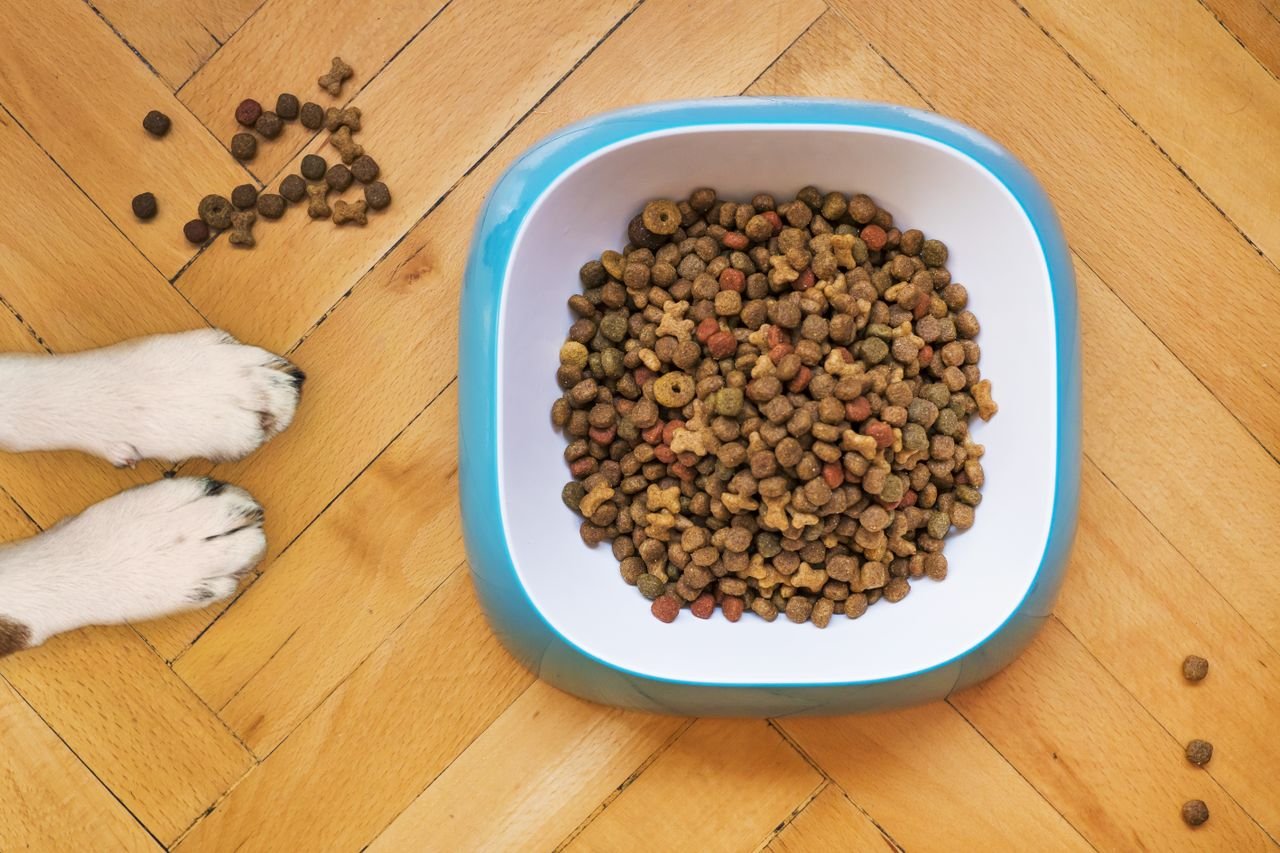

You have watched your dog vomit after meals more times than you can count. Or you are doing laundry again because of another digestive accident. Or your dog just looks uncomfortable after every meal — hunched, gassy, reluctant to move. You have tried switching foods and somehow things got worse, not better. You are tired of guessing.
The best food for dogs with sensitive stomachs is not a single product — it is the right combination of ingredients, format, and feeding approach for your individual dog’s specific digestive situation. This guide tells you exactly what to look for, what to avoid, which ingredients cause the most problems, and how to choose confidently across every life stage and breed size. No vague recommendations. Just practical, honest guidance that actually helps.
Keep your pup’s gut happy and healthy with these soft chews probiotic supplement for dogs.
What Is a Sensitive Stomach in Dogs?
A sensitive stomach is not a formal diagnosis — it is a description of a pattern. Dogs with sensitive stomachs experience digestive upset more readily than other dogs: vomiting, diarrhea, gas, loose stools, or general digestive discomfort in response to food, food changes, stress, or a combination of all three.
Some dogs have sensitive stomachs from puppyhood. Others develop them as their microbiome changes with age. Some breeds are genetically predisposed — French Bulldogs, German Shepherds, Boxers, and Yorkies, among others, have notably higher rates of digestive sensitivity than many other breeds.
Common signs that your dog has a sensitive stomach:
- Vomiting shortly after eating or intermittently between meals
- Loose stools or diarrhea that is frequent or consistent
- Excessive gas — more than what is normal for the breed
- Gurgling or audible stomach sounds
- Eating grass frequently — as we covered in our guide to why dogs eat grass, this is often a sign of digestive discomfort
- Reluctance to eat, or inconsistent appetite
- Weight loss despite eating
If your dog is showing severe or persistent symptoms — blood in stool, significant weight loss, complete loss of appetite, or repeated vomiting — these warrant a vet visit before any food change. A sensitive stomach and a serious gastrointestinal condition can look similar from the outside. As we covered in our guide to how to tell if your cat is sick, sudden or severe digestive changes always deserve professional evaluation rather than dietary experimentation alone.
What Causes Sensitive Stomachs in Dogs?
Before choosing a food, understanding the cause of your dog’s sensitivity makes the selection significantly more targeted and effective.
Food allergy or intolerance: The most common cause. Dogs can develop reactions to specific protein sources — chicken, beef, and dairy are the most frequent culprits — or to specific grains and additives. Food allergy typically causes both digestive and skin symptoms. Food intolerance is digestive only.
Inflammatory bowel disease (IBD): Chronic inflammation of the gastrointestinal tract causes ongoing digestive sensitivity. IBD requires veterinary diagnosis and often dietary management as part of a broader treatment plan.
Exocrine pancreatic insufficiency (EPI): The pancreas does not produce enough digestive enzymes, resulting in poor nutrient absorption and chronic digestive symptoms. German Shepherds are particularly prone to EPI.
Intestinal dysbiosis: An imbalance in the gut microbiome — often following antibiotic treatment, illness, or a poor diet — causes ongoing digestive instability.
Breed predisposition: Some breeds have shorter digestive tracts, different gut microbiome compositions, or brachycephalic anatomy that affects eating and digestion.
Rapid eating: Dogs that eat very quickly swallow large amounts of air alongside food, causing vomiting and digestive discomfort that mimics food sensitivity but is actually a mechanical issue.
What to Look for in the Best Dog Food for Sensitive Stomachs
Highly Digestible, High-Quality Protein
The protein source is the most important factor in food for sensitive stomachs. Highly digestible proteins — those that the digestive system can break down and absorb efficiently with minimal residue — are the foundation of a sensitive stomach diet.
Best protein sources for sensitive stomachs:
- Deboned chicken, turkey, or duck — highly digestible, lean, and well-tolerated by most dogs
- White fish (cod, whitefish, haddock) — very easily digestible and often a good novel protein choice
- Salmon — highly digestible and naturally high in omega-3 fatty acids that support gut and skin health
- Lamb — a good novel protein for dogs that have developed reactions to chicken or beef
- Venison, rabbit, or duck — excellent novel proteins for dogs with established chicken or beef sensitivities
Protein sources that commonly cause problems in sensitive dogs:
- Beef — one of the most frequent allergens in dogs
- Pork — higher in fat, harder to digest for some dogs
- Generic “meat meal” or “animal digest” — lower quality, inconsistent digestibility
My large breed pup loves this dog food. It helps with his digestion and overall health.
Limited Ingredient Formulas
For dogs with suspected food allergies or intolerances, a limited ingredient diet (LID) using a single protein source and a minimal number of other ingredients reduces the number of potential triggers dramatically. When your dog does well on a limited ingredient diet, you can identify which ingredient was causing problems and choose future foods accordingly.
A true limited ingredient diet will have one named protein, one or two carbohydrate sources, and no unnecessary additives. Read the ingredient list carefully — some products labelled “limited ingredient” still contain multiple protein sources listed further down.
Easily Digestible Carbohydrates
Not all carbohydrates are equal in terms of digestibility. For sensitive stomachs, easily digestible carbohydrate sources are preferable to complex grains that ferment in the gut.
Good carbohydrate choices for sensitive stomachs:
- White rice — one of the most easily digestible carbohydrates and the foundation of many veterinary bland diets
- Sweet potato — gentle, high in soluble fibre, well-tolerated by most sensitive dogs
- Oatmeal — soluble fibre that supports healthy gut motility
- Brown rice — more nutritious than white rice but slightly less digestible
- Potato — plain, easily digestible, and a good grain-free option
Carbohydrates to be cautious about:
- Corn and wheat — common allergens and less easily digestible for some dogs
- Multiple legumes in large amounts (peas, lentils, chickpeas) — may cause gas and digestive discomfort in sensitive dogs
- Excessive dietary fibre — while fibre supports gut health, too much insoluble fibre can worsen diarrhea
Probiotics and Prebiotics
The gut microbiome plays a central role in digestive health. Foods that include probiotics (beneficial live bacteria) and prebiotics (the fibre that feeds beneficial bacteria) actively support a healthy gut environment — which directly reduces sensitivity over time.
What to look for: Probiotic strains listed on the label — Lactobacillus acidophilus, Bifidobacterium animalis, or Enterococcus faecium are the most common and best evidenced for dogs. Prebiotic fibres like chicory root, inulin, or dried yeast support the growth of beneficial bacteria.
Recommend a probiotic supplement for dogs.
Omega-3 Fatty Acids
Omega-3 fatty acids — particularly EPA and DHA from fish sources — have anti-inflammatory effects throughout the body, including the gastrointestinal tract. For dogs with gut inflammation driving their sensitivity, foods rich in omega-3s from fish oil or salmon provide meaningful dietary support.
As we covered in our guide to why dogs lick their paws, omega-3s also support skin health — making them doubly valuable for the many dogs that have both digestive sensitivity and skin issues simultaneously.
No Artificial Additives
Artificial colours, flavours, and preservatives are unnecessary in dog food and provide no nutritional value — while potentially contributing to gut irritation in sensitive dogs. For sensitive stomachs, look for foods preserved naturally with mixed tocopherols (vitamin E) or rosemary extract rather than artificial preservatives like BHA, BHT, or ethoxyquin.
Wet vs Dry Food for Dogs With Sensitive Stomachs
The Case for Wet Food
Wet food is often better tolerated by dogs with sensitive stomachs for several reasons. The higher moisture content supports hydration and helps maintain healthy gut motility. Wet food typically has fewer carbohydrates and fillers than dry food. It is more palatable for dogs whose sensitive stomachs have reduced their appetite. And the softer texture is easier on dogs that tend to eat too quickly.
Recommend a specific wet dog food for sensitive stomachs.
The best wet dog food for sensitive stomachs uses a named protein as the first ingredient, has a short, recognisable ingredient list, and is labelled complete and balanced by AAFCO — not “for supplemental feeding only.”
The Case for Dry Food
High-quality dry food for sensitive stomachs offers practical advantages — cost, convenience, shelf life, and the ability to use puzzle feeders and slow-feed bowls that address rapid eating. The best dry dog food for sensitive stomachs uses highly digestible proteins, easily digestible carbohydrates, added probiotics, and no artificial additives.
Recommend a specific dry dog food for sensitive stomachs.
The Ideal Approach
For most dogs with sensitive stomachs, a combination of wet and dry food provides the best outcome — wet food at meals for digestibility and hydration, dry food in puzzle feeders or slow-feed bowls to address rapid eating and provide enrichment. The combination also reduces the risk of your dog becoming completely accustomed to one format, making transitions harder in the future.
Best Food for Dogs With Sensitive Stomachs — By Life Stage

Best Puppy Food for Sensitive Stomachs
Puppies with sensitive stomachs need food that meets the elevated nutritional demands of growth while being gentle on their developing digestive systems. The combination is more specific than either requirement alone — many puppy foods are high in fat and protein in ways that worsen digestive sensitivity.
What to look for in puppy food for sensitive stomachs:
- A named protein as the first ingredient — chicken, turkey, or fish
- AAFCO complete and balanced labelling for “growth” or “all life stages”
- Added DHA for brain and eye development
- Probiotics and prebiotics for microbiome support
- Moderate fat content — high fat is a common trigger for puppy digestive upset
Key breeds to watch: German Shepherd puppies, French Bulldog puppies, and Golden Retriever puppies all have higher rates of digestive sensitivity than average. Breed-specific formulas from established manufacturers often incorporate digestibility research specific to these breeds.
Best Adult Dog Food for Sensitive Stomachs
Adult dogs with sensitive stomachs benefit most from consistency — the same high-quality food fed at the same times each day, in measured portions. Frequent food changes are one of the most common causes of ongoing digestive instability in adult dogs.
What to look for in adult dog food for sensitive stomachs:
- Single or limited protein source — named protein first
- Highly digestible carbohydrates — white rice, sweet potato, or oatmeal
- Added probiotics and omega-3s
- No artificial colours, flavours, or preservatives
- Appropriate caloric density for the dog’s size, age, and activity level
Recommend a specific adult sensitive stomach dog food.
Best Senior Dog Food for Sensitive Stomachs
Senior dogs face a double challenge — ageing digestive systems that are less efficient at breaking down and absorbing nutrients, combined with the higher rates of conditions like IBD, pancreatitis, and reduced gut motility that come with age.
What to look for in senior dog food for sensitive stomachs:
- Higher protein — contrary to older advice, most senior dogs benefit from maintaining adequate protein intake to preserve muscle mass
- Phosphorus-controlled formulas if kidney disease is present or suspected — discuss with your vet
- Higher moisture content — senior dogs are more prone to dehydration
- Joint support ingredients — omega-3s, glucosamine — alongside digestive support
- Enhanced probiotic content — the gut microbiome changes with age and benefits from consistent support
As we covered in our guide to how often dogs should be bathed, senior dogs need adjusted care across every aspect of their routine — and diet is the most impactful adjustment of all.
Best Food for Dogs With Sensitive Stomachs — By Breed
French Bulldogs With Sensitive Stomachs
French Bulldogs are brachycephalic — their flattened facial structure means they swallow more air while eating, contributing significantly to gas and regurgitation. They also have higher rates of food allergy than many breeds.
Best approach: A limited ingredient diet with a novel protein (fish, duck, or lamb rather than chicken or beef), fed in small, frequent meals from a slow-feed bowl to reduce air swallowing. Wet food or moistened dry food is often better tolerated than dry kibble alone.
German Shepherds With Sensitive Stomachs
German Shepherds have one of the highest rates of exocrine pancreatic insufficiency (EPI) and inflammatory bowel disease of any breed. Their digestive sensitivity is often more significant than in other breeds and may require veterinary investigation rather than dietary management alone.
Best approach: A highly digestible diet with a single protein source, easily digestible carbohydrates, and added digestive enzymes if EPI is present. Vet-guided dietary management is strongly recommended for German Shepherds with persistent digestive issues.
Yorkshire Terriers With Sensitive Stomachs
Yorkies have small digestive systems that are prone to sensitivity, particularly in response to rich or fatty foods. They also have higher rates of dental disease that can cause them to swallow food without chewing adequately.
Best approach: A small breed sensitive stomach formula with small kibble size, moderate fat content, and high digestibility. Wet food or mixed feeding is particularly helpful for Yorkies.
Golden Retrievers With Sensitive Stomachs
Golden Retrievers are enthusiastic, fast eaters — and eating too quickly is itself a major cause of digestive upset in this breed, independent of the food being fed. Food quality matters, but so does how it is fed.
Best approach: A slow-feed bowl or puzzle feeder is often the single most effective intervention for Goldens with apparent sensitive stomachs driven by rapid eating. Combine with a highly digestible food using salmon or white fish as the primary protein.
How to Transition to a New Food for a Sensitive Stomach Dog
Switching foods abruptly is one of the most common causes of digestive upset in dogs — including dogs that have never previously had a sensitive stomach. For dogs that already have digestive sensitivity, abrupt transitions can cause significant flare-ups.
The correct transition schedule for a sensitive stomach dog:
| Day | Old Food | New Food |
|---|---|---|
| Days 1–3 | 75% | 25% |
| Days 4–6 | 50% | 50% |
| Days 7–9 | 25% | 75% |
| Days 10+ | 0% | 100% |
This is slower than the standard 7-day transition recommended for healthy dogs — and for very sensitive dogs, extending each stage by an extra day or two is a reasonable approach if any digestive symptoms appear.
Home-Made and Bland Diets for Sensitive Stomachs
When your dog is actively experiencing a digestive upset — vomiting or diarrhea — a temporary bland diet gives the gut a chance to settle before returning to regular food.
The classic bland diet for dogs:
- Boiled white rice and boiled plain chicken breast (no skin, no seasoning) in a 3:1 ratio — three parts rice to one part chicken
- Feed small, frequent amounts rather than one or two large meals
- Offer this for 2 to 3 days until symptoms resolve, then transition back to regular food over 5 to 7 days
What to add for extra support:
- Plain, unsweetened pumpkin puree (not pumpkin pie filling) — one to four teaspoons depending on size. The soluble fibre in pumpkin is highly effective for both diarrhea and constipation
- Plain, unsweetened probiotic yogurt in small amounts — adds beneficial bacteria to support gut recovery
When to see a vet instead of trying a bland diet:
- Vomiting that is frequent or contains blood
- Diarrhea with blood or mucus
- Lethargy alongside digestive symptoms
- Symptoms persisting beyond 48 hours on the bland diet
According to the American Kennel Club, dogs with persistent digestive symptoms should always be evaluated by a vet to rule out conditions requiring specific medical treatment — dietary management alone is not appropriate for all causes of sensitive stomach.
Feeding Practices That Help Sensitive Stomachs
Feed measured portions at consistent times. Free-feeding — leaving food out continuously — causes dogs to eat at irregular intervals and in irregular amounts, which makes digestive unpredictability much worse. Two measured meals at consistent times daily is the baseline for sensitive stomach management.
Use a slow-feed bowl for rapid eaters. A slow-feed bowl or puzzle feeder reduces eating speed dramatically — often resolving vomiting and gas in fast-eating dogs without any food change at all. Recommend a slow-feed bowl or puzzle feeder.
Avoid table scraps and treats during a sensitive period. Rich human food, high-fat treats, and frequent treat changes are among the most common causes of digestive flare-ups in otherwise-managed sensitive dogs.
Keep fresh water available at all times. Hydration supports gut motility and recovery. Dogs with digestive issues lose water through vomiting and diarrhea — ensuring constant water access is especially important. As we covered in our guide to why dogs eat grass, a dog drinking and eating well is the baseline for assessing how they are managing.
FAQ — Best Food for Dogs With Sensitive Stomachs
Q: What is the best dog food for sensitive stomachs and diarrhea? A: Look for a highly digestible food with a single named protein source — chicken, turkey, fish, or lamb — easily digestible carbohydrates like white rice or sweet potato, added probiotics, and no artificial additives. For active diarrhea, a temporary bland diet of boiled chicken and white rice allows the gut to settle before returning to a high-quality sensitive stomach formula.
Q: Is wet or dry food better for dogs with sensitive stomachs? A: Wet food is often better tolerated — it is more digestible, higher in moisture, and lower in carbohydrates and fillers. However, high-quality dry food fed in a slow-feed bowl works well for many sensitive dogs. A combination of both formats is often the most practical approach for long-term management.
Q: What ingredients should I avoid in dog food for sensitive stomachs? A: Avoid artificial colours, flavours, and preservatives. Be cautious with beef, pork, dairy, and corn — common triggers for food-sensitive dogs. Avoid very high fat content, multiple protein sources in one formula (harder to identify triggers), and foods with vague ingredient listings like “meat meal” or “animal digest.”
Q: How long does it take to see improvement after switching to a sensitive stomach food? A: For food intolerance or allergy, allow 8 to 12 weeks of strict dietary management before evaluating results — this is how long it takes for the immune system to reset and for gut inflammation to settle. For general digestive improvement without a specific allergy, 2 to 4 weeks of consistent feeding with the right food typically shows meaningful improvement.
Q: Should I give my dog with a sensitive stomach probiotics? A: Yes — probiotics actively support gut microbiome health, which is directly linked to digestive stability. Look for foods with probiotics already included, or add a dog-specific probiotic supplement to meals. Consistency matters — probiotics work best when given daily rather than intermittently.
Q: What human food is safe for dogs with sensitive stomachs? A: Plain boiled chicken, plain boiled white rice, plain cooked sweet potato, plain pumpkin puree, and plain unsweetened yogurt in small amounts are the most commonly used and best-tolerated human foods for sensitive dogs. Avoid rich, fatty, spiced, or heavily processed human food — and never feed onions, garlic, grapes, raisins, or xylitol-containing foods, which are toxic to dogs.
Conclusion
The best food for dogs with sensitive stomachs combines a highly digestible named protein source, easily digestible carbohydrates, added probiotics and omega-3s, and a clean ingredient list free of artificial additives. It is fed in consistent measured portions at regular times, transitioned to slowly, and matched to your dog’s specific life stage and breed needs.
Diet is the most powerful tool you have for managing a sensitive stomach — but it works best when paired with appropriate feeding practices and, for persistent or severe symptoms, veterinary guidance to rule out underlying conditions that need targeted treatment.
Your dog deserves to feel comfortable after every meal. With the right food and the right approach, most sensitive stomach dogs reach exactly that point.
Also read: Why does my dog lick his paws? | Why does my dog eat grass? | How often should I bathe my dog? | How long can a dog be left alone? | Best cat food for indoor cats | Why is my cat not eating?