


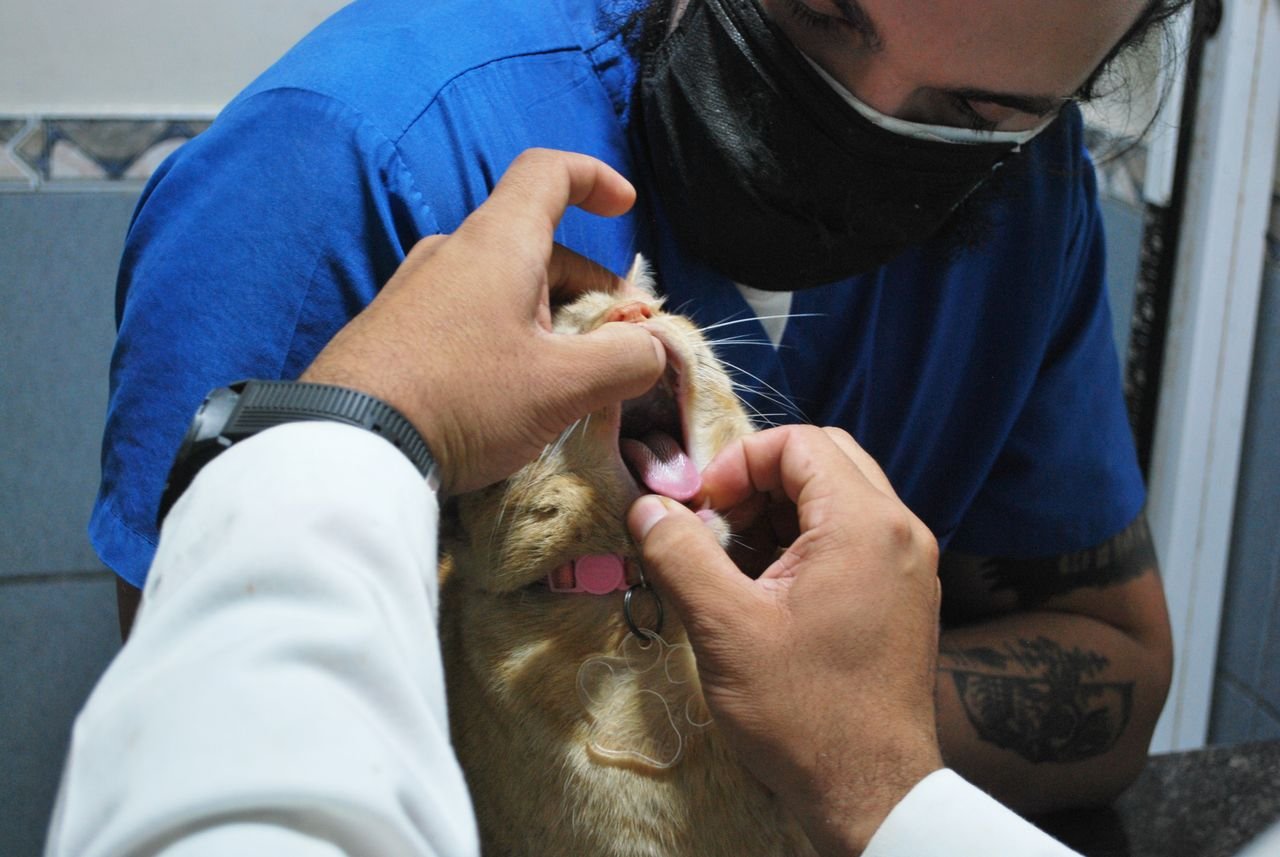

A pet emergency happens without warning. In the panic of finding your cat collapsed or your dog bleeding, searching for a vet is not what you want to be doing. Finding the nearest vet before an emergency occurs — and knowing exactly what to do in those first critical minutes — is one of the most practical things you can do as a pet owner.
This guide covers how to find emergency vet care quickly, what to do in the minutes before you reach the clinic, and how to prepare now so you are never scrambling when it matters most.
The Difference Between a Regular Vet and an Emergency Vet
Understanding which service you need saves critical time:
Regular vet (general practice): Operates during business hours — typically 8am–6pm Monday to Saturday. Handles routine care, non-urgent illness, scheduled procedures, and same-day appointments for concerning but non-life-threatening conditions. If you call and describe your pet’s symptoms, your regular vet’s reception team will advise whether your pet needs to be seen urgently or can wait.
Emergency vet (emergency animal hospital): Operates 24 hours a day, 7 days a week, including nights, weekends, and public holidays. Staffed by vets and nurses specifically trained in emergency and critical care. More expensive than a regular vet visit — emergency consultations typically cost $100–$200+ before any treatment. This is where you go when something cannot wait until morning.
Specialist referral centre: A clinic staffed by board-certified veterinary specialists — oncologists, cardiologists, neurologists, surgeons. Your regular vet will refer you if specialist care is needed. Usually shares a building with emergency services.
How to Find the Nearest Emergency Vet Right Now
Search Methods
Google: Search “emergency vet near me” or “24 hour vet near me” — Google Maps results include opening hours, directions, and phone numbers. Filter by “Open now” to find currently operating clinics.
ASPCA Animal Poison Control: If your pet has ingested a toxin, call (888) 426-4435 — available 24 hours. A consultation fee applies but they can advise on whether the ingestion is life-threatening and direct you to appropriate care.
VetFinder and similar apps: Emergency vet finder apps are available for iOS and Android — searching by location and filtering for 24-hour emergency service.
Your regular vet’s voicemail: Many practices record their emergency referral clinic details on their after-hours voicemail — call your regular vet even outside hours and listen to the message for their recommended emergency clinic.
Pet insurance provider: Many pet insurance providers have 24-hour helplines staffed by veterinary nurses who can advise on urgency and direct you to nearby emergency clinics.
Do This Now — Before Any Emergency Happens
The most effective preparation is a 5-minute exercise done today:
1. Find your nearest emergency vet clinic. Search “24 hour emergency vet” with your city or zip code. Identify the closest one, note the address and phone number.
2. Save it in your phone contacts. Label it “Emergency Vet” so it is findable in seconds of panic without having to remember a name or address.
3. Drive the route once. Knowing the route before you need it in an emergency — at night, stressed, with an injured animal in the car — removes one source of panic.
4. Write it on the fridge. For other household members, babysitters, or pet sitters who may need it when you are not home.
5. Check your regular vet’s after-hours protocol. Some regular practices have an on-call vet for established clients. Others direct all after-hours emergencies to a specific clinic they work with. Know your regular vet’s protocol before you need it.
Signs That Need an Emergency Vet — Right Now
Do not call ahead and describe symptoms at length — go directly and call on the way. These signs require emergency assessment without delay:
For any pet:
- Collapse or inability to stand
- Unconscious or unresponsive
- Breathing stopped or severely laboured
- Pale, white, blue, or grey gums
- Suspected poisoning — see the toxin list below
- Seizures lasting more than 2 minutes or multiple seizures in a short period
- Severe bleeding that does not slow with pressure
- Suspected fracture with bone visible or limb at abnormal angle
- Suspected spinal injury — drag themselves with front legs, cannot move hind legs
Cats specifically:
- Male cat straining to urinate with nothing coming out — this is a life-threatening urinary blockage that kills within hours without treatment
- Open-mouth breathing at rest — cats do not pant normally; open-mouth breathing indicates respiratory emergency
- Collapse after a fall from height — see our my cat fell from a height guide for what internal injuries look like
Dogs specifically:
- Unproductive retching with distended abdomen in a large or deep-chested breed — suspected bloat (GDV), a surgical emergency. See our my dog is vomiting guide for distinguishing vomiting from bloat
- Sudden severe lameness after a jump or sharp movement in a large breed — suspected cruciate rupture
- Sudden weakness or collapse in a previously active dog
Signs That Need a Vet Today (Not Emergency, But Same Day)
Call your regular vet first thing in the morning or as soon as they open:
- Vomiting more than twice in 24 hours
- Diarrhoea with blood
- Not eating for more than 24 hours alongside other symptoms
- Significant lethargy or behaviour change
- Limping that has not improved after a few hours of rest — see our my dog is limping guide
- Eye discharge with redness or squinting
- Suspected ear infection — head shaking, scratching, discharge
- Any wound from a fight or accident that is swelling or appears infected
Common Pet Toxins — Know These Before You Need To
If your pet has ingested any of the following, contact the ASPCA Animal Poison Control or an emergency vet immediately — do not wait for symptoms:
Toxic to dogs AND cats:
- Grapes and raisins — kidney failure
- Xylitol (artificial sweetener in sugar-free gum, some peanut butters, sweets) — liver failure in dogs, hypoglycaemia
- Chocolate — theobromine toxicity (dogs more at risk than cats)
- Onions and garlic — red blood cell damage
- Macadamia nuts — neurological symptoms in dogs
- Antifreeze (ethylene glycol) — kidney failure, rapidly fatal
- Rodenticide (rat and mouse poison) — bleeding disorders, brain swelling
Toxic to cats specifically:
- Lilies (all parts, including pollen and water from the vase) — severe kidney failure, rapidly fatal. Even small exposure requires emergency treatment
- Permethrin (in many dog flea products) — neurological toxicity, seizures
- Essential oils including tea tree, eucalyptus, clove, peppermint — liver toxicity
- Paracetamol (acetaminophen/Tylenol) — fatal in small doses
Toxic to dogs specifically:
- Macadamia nuts
- Avocado — vomiting and diarrhoea, cardiac issues in large amounts
If you suspect poisoning, bring the packaging or substance to the vet. Do not induce vomiting unless specifically instructed to by a vet — for some toxins, induced vomiting causes additional damage.
What to Do While Getting to the Vet
Keep your pet as calm and still as possible during transport:
- For cats: into a carrier, covered with a blanket to reduce visual stimulation. See our best cat carriers guide for appropriate carriers for emergency use
- For dogs: into the car, on a flat surface, covered with a blanket for warmth
- For suspected spinal injury: slide onto a rigid flat surface (a clipboard, a piece of board) without bending the spine
- Call ahead: let the emergency clinic know you are coming and what the symptoms are — they can prepare
Do not:
- Give food or water — if surgery is needed, an empty stomach is important
- Give human medication of any kind
- Attempt to treat wounds beyond gentle pressure on bleeding areas
- Leave your pet unattended in a hot or cold car
Pet Emergency Fund — Being Financially Prepared
Emergency vet visits are expensive — a single emergency consultation, diagnostic tests, and initial treatment can cost $500–$3,000 or more depending on the condition. Not being able to afford emergency care when your pet needs it is one of the most distressing situations a pet owner faces.
Options to prepare:
Pet insurance — the most reliable financial preparation. Monthly premiums of $20–$60 typically cover 70–90% of emergency and illness costs after a deductible. See our best pet insurance for dogs guide for a comparison of the leading providers — the same providers cover cats.
Dedicated savings account — set aside $50–$100 per month into a dedicated pet emergency fund. After a year, you have a meaningful buffer for unexpected costs.
CareCredit: A healthcare credit card accepted by many veterinary practices — allows you to pay emergency costs over time with interest-free periods of 6–24 months.
How to Find the Nearest Vet — FAQ
What is the difference between an emergency vet and my regular vet? Your regular vet operates during business hours and handles routine and non-urgent care. An emergency vet operates 24/7 and is equipped for acute, life-threatening conditions. Both are essential — your regular vet for ongoing health, the emergency vet for crises outside business hours.
How do I know if my pet needs an emergency vet or can wait until morning? If your pet is conscious, breathing normally, and not in obvious severe distress — call your regular vet’s after-hours line for guidance. If your pet is collapsed, not breathing normally, or showing any of the emergency signs listed above — go directly to the emergency vet.
What if I cannot afford emergency vet care? Be honest with the clinic about your financial situation when you arrive — most emergency practices have a triage system that prioritises immediate life-saving stabilisation and can discuss payment plans or refer to lower-cost options for follow-up care. Some areas have non-profit emergency clinics with reduced fees. Never simply not go — most practices will work with you.
Can I call the emergency vet before going? Yes — and it is helpful to call ahead so they can prepare. But do not delay going in order to make a call if your pet is in obvious distress. Call on the way.
How do I find an emergency vet at 3am? Google “24 hour emergency vet” with your location is the fastest search. Having the address and number already saved in your phone (done today, not during the emergency) is faster still.
Also read: My Cat Is Sick — Signs and When to See a Vet | My Cat Fell From a Height | My Dog Is Vomiting | Best Pet Insurance for Dogs in the USA