


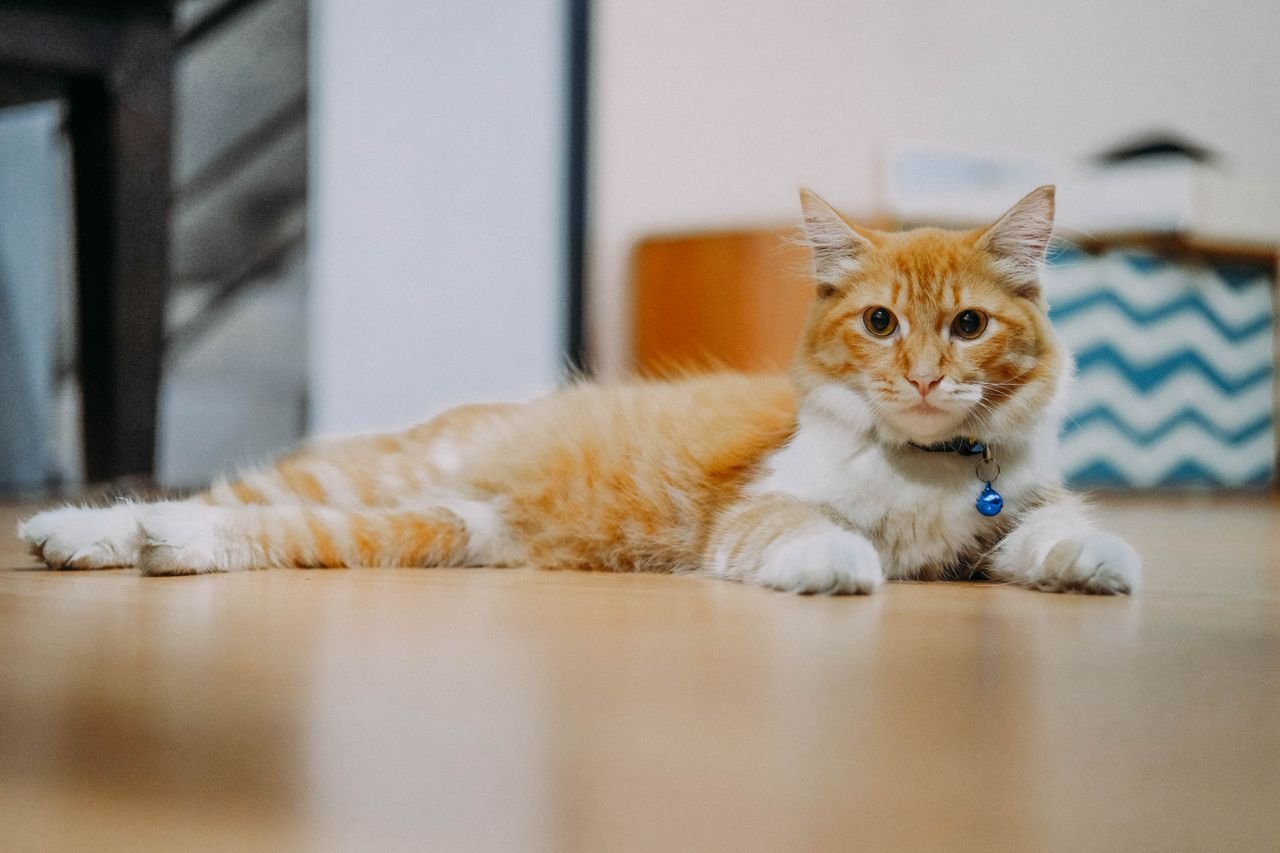

You pick up your cat and notice something feels different. They seem lighter. You run your hands along their spine and can feel the bones more clearly than before. Or maybe your cat is eating the same amount — or even more — but is still visibly getting thinner.
If you are asking why is my cat losing weight, you are right to be concerned. Unintentional weight loss in cats is almost always a sign that something is wrong — and the sooner it is investigated, the better the outcome.
This guide covers every major cause of cat weight loss, what to look for, when to act, and what your vet will likely check — including the most common culprits behind a cat that is losing weight but still eating normally.
How Much Weight Loss Is Concerning in a Cat?
Cats are small animals. A weight loss of just half a pound (225g) in a cat that weighs 10 lbs represents a 5% loss of body weight. A loss of 1 lb represents 10% — which in a human equivalent would be like a 150 lb person losing 15 lbs unexpectedly.
Any unintentional weight loss of more than 5–10% of your cat’s body weight warrants a veterinary visit. You do not need to wait until the weight loss is dramatic or other symptoms appear. Early investigation leads to earlier treatment and significantly better outcomes for almost every condition on this list.
If you cannot feel a vet visit is urgent, read our guide on how to tell if your cat is sick — weight loss almost always appears alongside other subtle signs once you know what to look for.
Why Is My Cat Losing Weight but Still Eating?
This is one of the most common and alarming combinations — a cat with a good or even increased appetite that is still visibly losing weight. When a cat eats well but cannot maintain or gain weight, the body is either failing to absorb nutrients properly or burning through them at an abnormal rate.
The most common causes of weight loss despite eating include:
- Hyperthyroidism — the most common cause in cats over 8
- Diabetes mellitus — increased hunger with weight loss is a classic sign
- Intestinal malabsorption — the gut is not absorbing nutrients from food
- Parasites — internal parasites steal nutrition before the body can use it
- Inflammatory Bowel Disease (IBD) — chronic inflammation disrupts nutrient absorption
- Cancer — some cancers increase metabolic rate dramatically
Each of these is covered in detail below.
Most Common Causes of Cat Weight Loss
1. Hyperthyroidism — The Most Common Cause in Senior Cats
Hyperthyroidism is the most frequently diagnosed cause of weight loss in cats over 8 years old and one of the most common feline diseases overall in the USA and Canada.
The thyroid gland produces too much thyroid hormone, which dramatically accelerates metabolism. Affected cats burn through calories faster than they can consume them — resulting in weight loss despite a normal or ravenous appetite.
Classic signs of hyperthyroidism in cats:
- Significant weight loss despite eating well or eating more than usual
- Increased appetite — often dramatically increased
- Increased thirst and urination
- Hyperactivity, restlessness, or vocalising more than usual
- Vomiting or diarrhoea
- Unkempt, poor-quality coat
- Rapid or irregular heartbeat
Hyperthyroidism is diagnosed through a simple blood test measuring thyroid hormone (T4) levels. It is very treatable — options include daily medication, a prescription iodine-restricted diet, radioactive iodine treatment, or surgery. Most cats respond very well to treatment.
If your senior cat is losing weight and seems hungry all the time, hyperthyroidism should be the first thing your vet rules out.
2. Diabetes Mellitus
Feline diabetes is the second most common hormonal disorder in cats. When a cat’s body cannot properly use glucose for energy — either due to insufficient insulin or insulin resistance — it begins breaking down fat and muscle tissue for fuel instead. This causes weight loss even when the cat is eating normal or above-normal amounts.
Classic signs of diabetes in cats:
- Weight loss despite increased appetite
- Dramatically increased thirst
- Increased and more frequent urination — sometimes outside the litter box
- Weakness in the hind legs (diabetic neuropathy)
- Lethargy and reduced activity
- Sweet-smelling or fruity breath (from ketones)
Diabetes is diagnosed through blood glucose and urine glucose testing. It is manageable with insulin injections, dietary changes (high-protein, low-carbohydrate food), and regular monitoring. Many cats go into remission with appropriate management.
For more on increased thirst and urination in cats, read our guide on is it normal for cats to drink a lot of water.
3. Kidney Disease (Chronic Renal Failure)
Chronic kidney disease (CKD) is extremely common in cats — particularly those over 10 years old. As kidney function declines, waste products build up in the bloodstream, causing nausea, reduced appetite, vomiting, and gradual weight loss.
Classic signs of kidney disease in cats:
- Weight loss and muscle wasting — particularly visible along the spine and hindquarters
- Increased thirst and urination in early stages
- Reduced appetite or selective eating
- Vomiting — often in the morning or after eating
- Lethargy and reduced activity
- Bad breath with an ammonia-like smell
- Dull, unkempt coat
CKD is diagnosed through blood and urine tests measuring kidney function markers (creatinine, BUN, SDMA). While it cannot be cured, it can be managed effectively for months to years with prescription diets, fluid therapy, and supportive medications.
4. Inflammatory Bowel Disease (IBD)
IBD is a chronic condition in which the walls of the digestive tract become infiltrated with inflammatory cells, disrupting normal digestion and nutrient absorption. Cats with IBD may eat normally or even have increased appetite but still lose weight because their gut cannot properly absorb what they eat.
Classic signs of IBD in cats:
- Chronic or intermittent vomiting — often the most prominent sign
- Diarrhoea — may be chronic or come and go
- Weight loss despite normal or increased eating
- Increased appetite in some cats (particularly if small intestine is affected)
- Rumbling or gurgling stomach sounds
- Lethargy on bad days
IBD is diagnosed through bloodwork, ultrasound, and often intestinal biopsy. It is managed with prescription diets, corticosteroids, and sometimes additional medications. Most cats achieve good long-term quality of life with appropriate management.
5. Cancer
Cancer is unfortunately common in cats — and weight loss is one of the most consistent signs. Certain cancers dramatically increase the body’s metabolic rate, causing rapid weight loss regardless of how much the cat eats. Others reduce appetite or cause malabsorption.
Gastrointestinal lymphoma is the most commonly diagnosed cancer in cats, and it often begins with symptoms almost identical to IBD — chronic vomiting, diarrhoea, and progressive weight loss.
Signs that may suggest cancer in a cat:
- Rapid, unexplained weight loss
- Visible lumps or swellings anywhere on the body
- Chronic vomiting or diarrhoea that does not respond to treatment
- Difficulty eating, swallowing, or breathing
- Persistent lethargy
- Pale gums
Cancer can occur at any age but is more common in middle-aged to senior cats. Diagnosis requires a combination of bloodwork, imaging, and often biopsy. Treatment options include chemotherapy, surgery, radiation, and palliative care depending on the type and stage.
6. Dental Disease and Oral Pain
Dental disease is one of the most overlooked causes of weight loss in cats — particularly middle-aged and senior cats. A cat with painful teeth or gum disease may eat less, eat more slowly, drop food, or avoid hard food entirely. The reduced food intake results in progressive weight loss that can be mistaken for a systemic illness.
Signs of dental pain in cats:
- Eating less or more slowly than usual
- Dropping food from the mouth while eating
- Chewing on one side of the mouth only
- Pawing at the mouth or face
- Bad breath
- Reluctance to eat hard food or treats
- Weight loss with no other obvious symptoms
A full dental examination under anaesthesia is often needed to fully assess a cat’s mouth. Professional dental cleaning, tooth extraction if necessary, and pain management resolve the issue and usually result in rapid return to normal eating and weight gain.
7. Intestinal Parasites
Internal parasites — including roundworms, tapeworms, hookworms, and Giardia — steal nutrition from the digestive tract before the cat’s body can absorb it. A heavily parasitised cat may eat well but still lose weight or fail to gain weight appropriately.
Parasites are more common in outdoor cats, cats that hunt, and cats not receiving regular parasite prevention. However, indoor cats can also be affected, particularly through contaminated food or flea-transmitted tapeworm.
Diagnosis is through faecal examination. Treatment with appropriate antiparasitic medication is straightforward and usually fully resolves the problem.
8. Stress and Anxiety
Significant environmental stress — a house move, new pet, change in routine, loss of a companion animal, or a new baby — can suppress appetite in cats and lead to weight loss over time. Cats are creatures of extreme routine and respond to change more strongly than many owners realise.
If your cat’s weight loss coincides with a significant life change, stress may be a contributing factor. However, stress-related weight loss should still be investigated by a vet to rule out concurrent illness — stress can also trigger flare-ups of underlying conditions like IBD.
9. Liver Disease
Liver disease in cats — including hepatic lipidosis (fatty liver disease) and cholangiohepatitis — can cause significant weight loss, nausea, reduced appetite, and jaundice. Hepatic lipidosis is particularly dangerous and can develop rapidly in cats that stop eating for even a few days — especially overweight cats.
Signs of liver disease in cats include yellowing of the skin, gums, or whites of the eyes (jaundice), vomiting, lethargy, and progressive weight loss.
10. Heart Disease
Feline heart disease — particularly hypertrophic cardiomyopathy (HCM) — can cause weight loss through increased metabolic demand, reduced appetite from associated fatigue, and muscle wasting from poor circulation. Weight loss in a cat with heart disease is often accompanied by lethargy, increased respiratory rate, and reduced exercise tolerance.
Why Is My Senior Cat Losing Weight?
Weight loss is particularly common in cats over 10–12 years old, and the causes shift somewhat compared to younger cats.
The most common reasons older cats lose weight include:
- Hyperthyroidism — by far the most common in senior cats
- Chronic kidney disease — affects a very high percentage of cats over 15
- Dental disease — pain makes eating difficult
- Diabetes — more common with age
- Cancer — incidence increases significantly in older cats
- Reduced digestive efficiency — some older cats simply absorb nutrients less effectively, even without a specific disease
A critical point about senior cats: multiple conditions often occur simultaneously. A 14-year-old cat might have both hyperthyroidism and kidney disease — which actually interact in complex ways that require careful veterinary management.
Never assume weight loss in an older cat is “just old age.” It is almost always a treatable or manageable underlying condition. Early intervention significantly improves quality and length of life.
Why Is My Cat Getting Skinny and Losing Hair?
When weight loss is accompanied by hair loss or a deteriorating coat, the list of likely causes narrows. Combined weight and hair loss in cats most commonly points to:
- Hyperthyroidism — increased metabolic rate affects coat quality
- Hormonal imbalances — including Cushing’s disease (rare in cats)
- Nutritional deficiency — particularly if on an inadequate diet
- Parasites — including mange (demodectic or sarcoptic) causing both hair loss and weight loss
- Stress-related overgrooming — leading to hair loss with weight loss from concurrent anxiety or illness
A vet visit is essential when both weight loss and hair loss are present — this combination is rarely coincidental.
Cat Weight Loss and Vomiting Together
When weight loss is accompanied by regular vomiting, the most likely causes are:
- IBD — chronic intestinal inflammation causing both malabsorption and vomiting
- Gastrointestinal lymphoma — often presents identically to IBD initially
- Kidney disease — nausea and vomiting are classic signs of elevated waste products
- Hyperthyroidism — increased gut motility can cause vomiting
- Hairballs — less likely to cause weight loss unless obstruction develops
Occasional vomiting in cats is common. Vomiting more than once or twice a week, or any vomiting accompanied by weight loss, warrants investigation.
When to See a Vet — Urgency Guide
| Situation | Action |
|---|---|
| Gradual weight loss over weeks in a cat still eating | Vet appointment within 1–2 weeks |
| Rapid weight loss over days | Vet appointment within 24–48 hours |
| Weight loss + not eating for more than 24 hours | Same day vet visit |
| Weight loss + jaundice (yellow tinge to skin/gums) | Emergency vet immediately |
| Weight loss + difficulty breathing | Emergency vet immediately |
| Weight loss + collapse or seizures | Emergency vet immediately |
| Senior cat with gradual weight loss | Vet within 1 week — do not delay |
What Will Your Vet Do?
When you bring a cat in for unexplained weight loss, your vet will typically:
- Take a detailed history — when did you first notice, how much has been lost, any other symptoms, diet, lifestyle
- Physical examination — feel for enlarged lymph nodes, abdominal masses, thyroid enlargement, assess muscle condition
- Bodyweight measurement — compared against previous records
- Bloodwork — complete blood count, biochemistry panel, thyroid hormone (T4) level
- Urinalysis — kidney function, glucose, protein
- Faecal examination — if parasites are suspected
- Ultrasound or X-rays — if abdominal disease or chest issues are suspected
- Blood pressure measurement — especially in senior cats, as hypertension accompanies several common conditions
How to Help a Cat That Is Losing Weight at Home
While waiting for a vet appointment or following up on treatment, these steps help support your cat:
Offer highly palatable food. Wet food with strong aroma is more appealing to cats with reduced appetite. Warming food slightly (to body temperature) intensifies the smell and encourages eating.
Try different food textures. Some cats with dental pain or nausea prefer pâté-style wet food over chunks. Others prefer the texture of specific brands. Experiment gently.
Feed smaller, more frequent meals. Rather than two large meals, offer four to six smaller portions throughout the day. This is easier on a nauseated stomach and may result in more overall intake.
Keep food and water easily accessible. For arthritic or weak cats, raise food bowls to a comfortable height and ensure the water bowl is in multiple locations.
Reduce stress in the environment. Keep routines consistent, reduce loud noise and disruption, and ensure your cat has calm, secure resting places.
For specific nutrition guidance, read our guides on wet food vs dry food for cats and best cat food for indoor cats.
High-protein wet cat food for weight gain and recovery , Appetite stimulant supplement for cats
Frequently Asked Questions
Why is my cat losing weight but still eating? A cat losing weight despite eating is most commonly due to hyperthyroidism, diabetes, IBD, intestinal parasites, or cancer. All of these conditions either increase metabolic rate or prevent normal nutrient absorption. A vet visit and bloodwork is essential to identify the cause.
Why is my senior cat losing weight? The most common causes in older cats are hyperthyroidism, chronic kidney disease, dental disease, diabetes, and cancer. Weight loss in a senior cat is almost never just old age — it is nearly always a treatable or manageable underlying condition. See a vet promptly.
Why is my cat skinny but eats a lot? When a cat eats a lot but remains thin, the body is either burning through calories faster than it can absorb them (hyperthyroidism, diabetes) or failing to absorb nutrients properly (IBD, intestinal parasites, cancer). Bloodwork is needed to identify which.
How much weight loss is too much for a cat? Any unintentional loss of more than 5–10% of body weight warrants a vet visit. In a 10 lb cat, that is just half a pound to one pound. Cats are small — even modest weight loss can represent significant decline.
Can stress cause weight loss in cats? Yes — significant environmental stress can suppress appetite and cause weight loss over time. However, stress-related weight loss should still be investigated by a vet to rule out concurrent illness, as stress commonly triggers flare-ups of underlying conditions.
Why is my cat losing weight and losing hair? Combined weight and hair loss most commonly points to hyperthyroidism, hormonal imbalance, nutritional deficiency, or parasites. This combination is rarely coincidental and always warrants a prompt vet visit.
Conclusion
Why is my cat losing weight? In most cases, the answer is a specific, diagnosable condition — hyperthyroidism, kidney disease, diabetes, IBD, dental disease, parasites, or cancer — rather than a mystery. The common thread in almost every case is that early investigation leads to better outcomes.
Do not wait to see if weight loss resolves on its own. Do not assume it is old age. A single vet visit with bloodwork will identify the most likely cause in the majority of cats — and give you a clear path forward.
For more cat health advice, read our guides on how to tell if your cat is sick, is it normal for cats to drink a lot of water, and why is my cat not eating.
This article is for general informational purposes only. Always consult a licensed veterinarian if your cat is losing weight. Many causes of feline weight loss are serious conditions that require professional diagnosis and treatment — do not delay seeking veterinary care.
Also read: How to Tell If Your Cat Is Sick | Is It Normal for Cats to Drink a Lot of Water? | Why Is My Cat Not Eating? | Wet Food vs Dry Food for Cats | Best Cat Food for Indoor Cats