


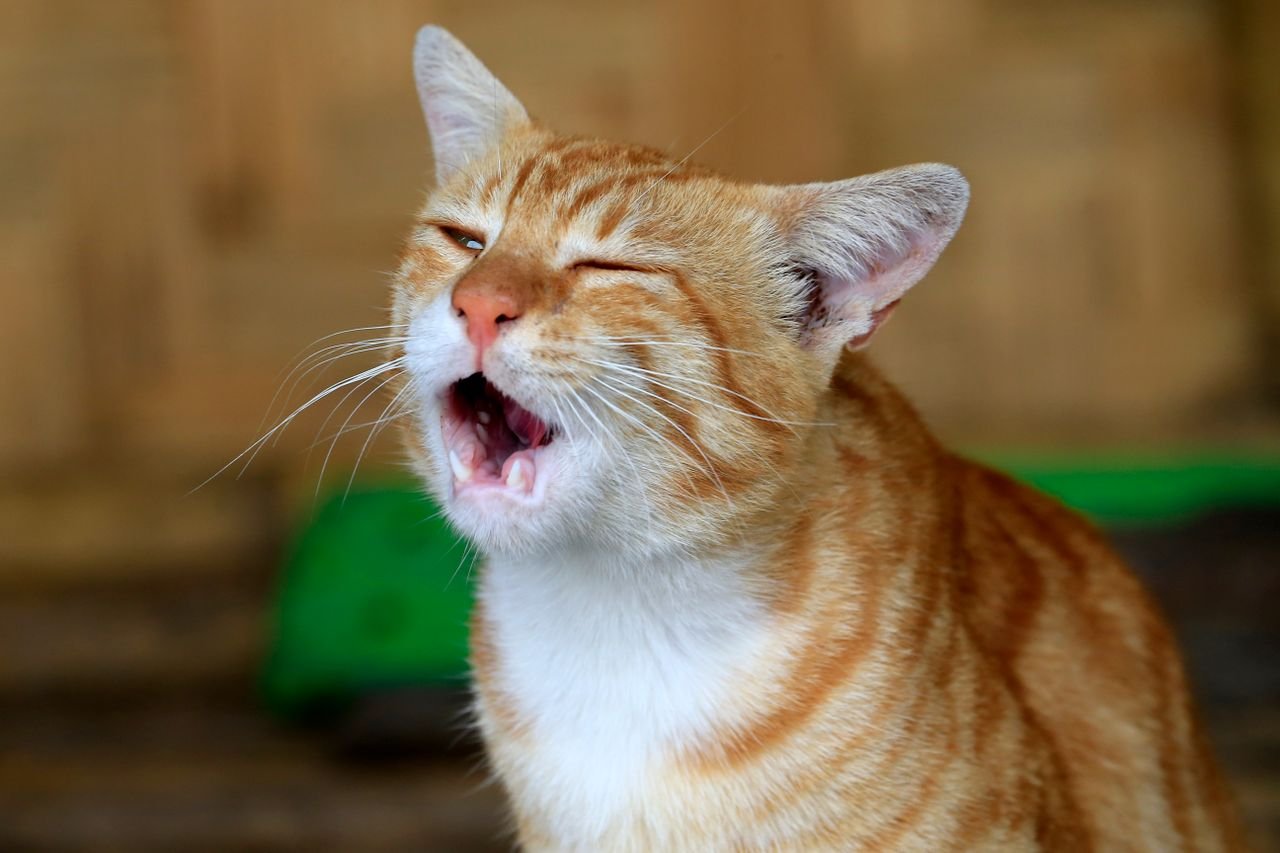

The occasional sneeze is completely normal for a cat — just like humans, cats sneeze to clear irritants from their nasal passage. But when your cat is sneezing repeatedly, sneezing with discharge, or sneezing alongside other symptoms, it is worth knowing what is likely causing it and whether a vet visit is needed.
Is My Cat’s Sneezing Normal?
One or two sneezes — completely normal. Dust, a strong smell, or a tickle in the nose is all it takes.
Repeated sneezing over several hours or days — this needs attention. Persistent sneezing is your cat’s body trying to clear something that is not going away on its own.
Common Causes of Sneezing in Cats
Upper Respiratory Infection (Cat Flu)
The most common cause of persistent sneezing in cats. Cat flu is caused by feline herpesvirus (FHV-1) or feline calicivirus (FCV) — both highly contagious between cats. Alongside sneezing, you will typically see:
- Runny nose (clear, yellow, or green discharge)
- Watery or discharge-filled eyes
- Lethargy and reduced appetite
- Mild fever
Cat flu is rarely fatal in healthy adult cats but can be serious in kittens, elderly cats, or immunocompromised cats. It requires veterinary treatment — usually antibiotics for secondary bacterial infections.
Nasal Irritants
Cats have a highly sensitive sense of smell and react strongly to:
- Cigarette smoke
- Cleaning products, air fresheners, or candles
- Dusty cat litter
- Perfume or strong household chemicals
- Pollen or outdoor allergens
If sneezing started after introducing a new product into your home, this is likely the cause.
Allergies
Less common than in dogs but possible. Cats can develop environmental allergies to dust mites, pollen, mould, and certain household products — causing chronic low-grade sneezing without the infection signs of cat flu.
Dental Disease
Surprisingly, dental infections — particularly in the upper back teeth — can cause sneezing. The roots of the upper premolars sit very close to the nasal passage, and infection can cause nasal irritation and discharge.
Nasal Polyps or Foreign Body
A grass seed, small piece of debris, or a polyp (benign growth) inside the nasal passage causes persistent one-sided sneezing, often with discharge from one nostril only.
Feline Herpesvirus Flare-Up
Once a cat is infected with feline herpesvirus, the virus remains dormant in the body and can reactivate during periods of stress — similar to cold sores in humans. Stress-triggered sneezing episodes are common in cats who had cat flu as kittens.
Sneezing With Blood — What Does It Mean?
Occasional blood specks in nasal discharge during heavy sneezing can result from irritation of delicate nasal blood vessels — not always serious. However, regular bloody discharge or significant bleeding from the nose warrants prompt veterinary attention, as it can indicate:
- Nasal polyps or tumours
- A foreign body
- A clotting disorder
- Fungal infection (less common)
When to See the Vet
Book an appointment if your cat:
- Has been sneezing repeatedly for more than 48 hours
- Has coloured nasal discharge (yellow, green, or bloody)
- Is also lethargic or not eating
- Has swollen or discharge-filled eyes alongside sneezing
- Is a kitten — kittens deteriorate faster with respiratory infections
Go same day if:
- Your kitten is not eating and sneezing heavily
- Breathing sounds laboured or noisy
- Your cat has stopped eating completely
What to Do at Home While Monitoring
- Keep your cat’s nose and eyes gently cleaned with a warm damp cloth — dried discharge around the nostrils makes breathing harder
- Use a humidifier or run a hot shower and let your cat sit in the steamy bathroom for 10–15 minutes — this loosens nasal congestion
- Offer warm, aromatic food (slightly warmed wet food) to encourage eating — a congested cat cannot smell food properly and may refuse to eat
- Remove any obvious irritants — change to unscented litter, stop using air fresheners, and ventilate the room
Can I Give My Cat Human Cold Medicine?
No. Human cold and flu medications — including decongestants, antihistamines, and pain relievers — are toxic to cats. Never give your cat any human medication without explicit veterinary guidance.
Preventing Sneezing and Respiratory Infections
- Keep vaccinations current — the core cat vaccine covers feline herpesvirus and calicivirus, the two main causes of cat flu. See our full guide on kitten and cat vaccines for the recommended schedule
- Reduce stress — stress triggers herpesvirus flare-ups in previously infected cats. Our guide on cat behaviour and stress covers common stress triggers
- Use unscented, low-dust cat litter — a significant but overlooked cause of chronic mild sneezing
- Keep indoor air clean — avoid smoking indoors, use fragrance-free cleaning products, and ventilate regularly
Why Is My Cat Sneezing — FAQ
My cat sneezes every morning — is this normal? Morning sneezing fits are common and often caused by dust in bedding, dry indoor air overnight, or a mild herpesvirus response. If it lasts only a few sneezes and your cat is otherwise well, it is usually not a concern. Persistent morning sneezing with discharge warrants a vet check.
Can I catch cat flu from my cat? No — feline herpesvirus and feline calicivirus are species-specific and cannot be transmitted to humans. However, they are highly contagious between cats, so keep a sneezing cat away from other cats in the household.
My cat is sneezing and one eye is closed — what does this mean? This combination strongly suggests an upper respiratory infection or herpesvirus flare-up affecting the eye. Feline herpesvirus can cause corneal ulcers and eye damage. See your vet promptly — eye involvement needs treatment.
Will my cat’s sneezing go away on its own? Sneezing caused by a mild irritant — yes. Sneezing caused by an upper respiratory infection — sometimes, but often requires antibiotics for secondary bacterial infections. Sneezing that persists beyond 48 hours always warrants a vet call.
Also read: My Cat Is Sick — Signs, Symptoms and When to See a Vet | My Cat Has a Fever — How to Tell and What to Do | How to Tell If Your Cat Is in Pain | Why Is My Cat Losing Weight