


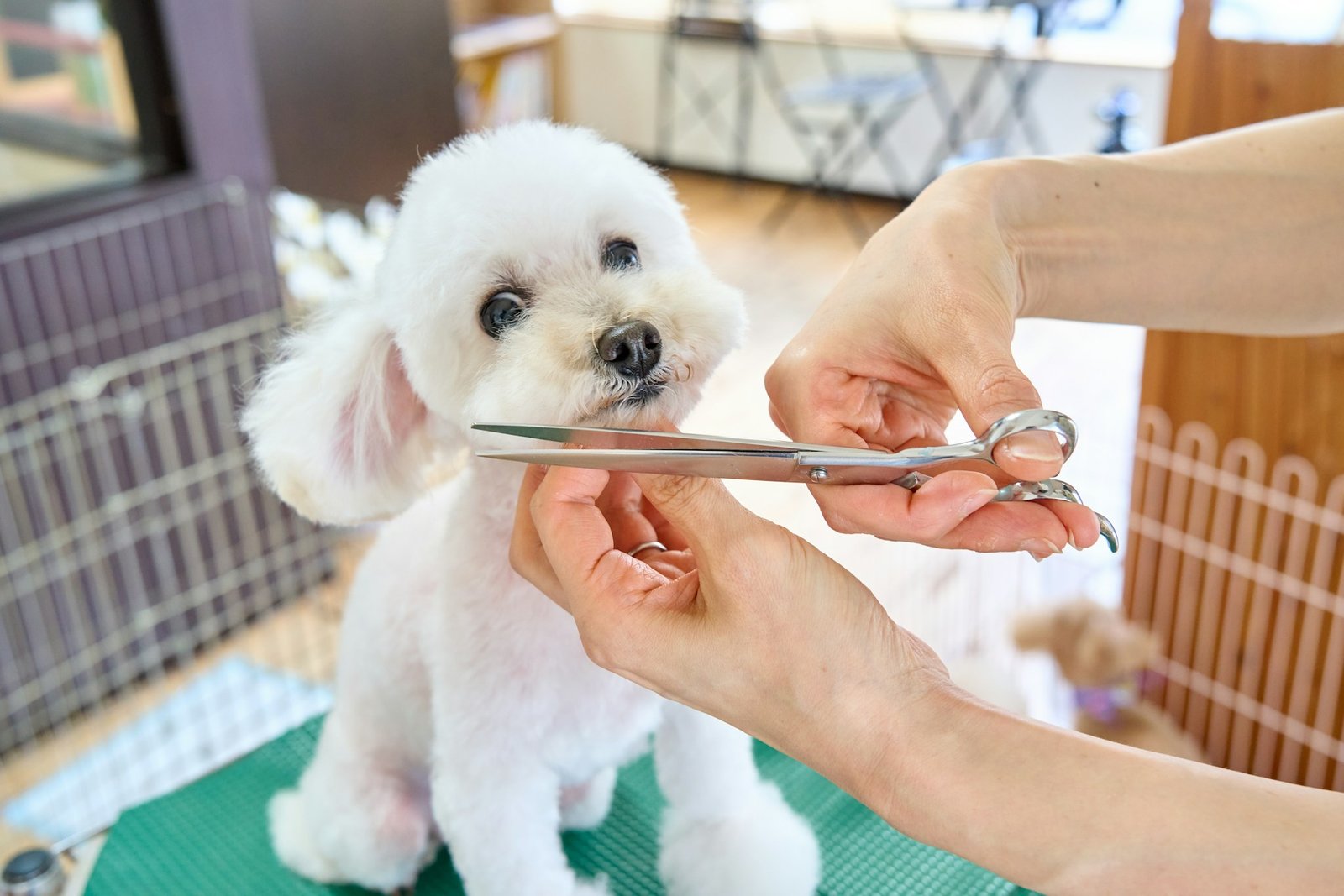

There’s no single grooming schedule that fits every dog. A Husky and a Chihuahua have completely different coat needs, and following a generic “bathe weekly” rule can do more harm than good. How often should you groom your dog actually depends on breed, coat type, lifestyle, and the specific grooming task in question.
This guide breaks grooming frequency down by coat type and task, so you can build a routine that genuinely suits your dog rather than guessing.
Why Grooming Frequency Matters
Too little grooming leads to matting, skin irritation, overgrown nails, and ear infections. Too much grooming — particularly over-bathing — strips natural oils from the skin and coat, causing dryness, irritation, and even more shedding as the body overcompensates by producing excess oil. Getting the frequency right is about balance, not maximum effort.
Grooming Frequency by Coat Type
Short, Smooth Coats (Labradors, Boxers, Beagles, French Bulldogs)
These coats are the lowest maintenance. A weekly brush with a rubber curry brush or grooming mitt removes loose hair and distributes natural oils. Bathing every 6–8 weeks is usually sufficient unless your dog gets visibly dirty more often.
Double Coats (Huskies, Golden Retrievers, German Shepherds, Goberians)
These breeds have a dense undercoat beneath a longer top coat, and require more attention. Brush 3–4 times weekly to prevent the undercoat from matting against the skin, with daily brushing during the twice-yearly seasonal shed (“blowing coat”). Bathe every 6–8 weeks — more frequent bathing can disrupt the natural oils that keep this coat type weatherproof.
Long, Silky Coats (Yorkies, Maltese, Shih Tzus)
These coats tangle easily and need daily brushing to stay mat-free, particularly behind the ears, under the legs, and around the collar area. Bathing every 3–4 weeks keeps the coat clean, though many owners with show-length coats bathe more frequently.
Curly or Wool Coats (Poodles, Doodles, Bichon Frise)
These coats do not shed in the traditional sense — loose hair gets trapped in the curl, which means daily or near-daily brushing is essential to prevent matting. Professional grooming every 4–6 weeks is standard for this coat type, as the curl requires clipper work that is difficult to maintain at home.
Wire-Haired Coats (Schnauzers, Wire Fox Terriers)
These coats benefit from hand-stripping or clipping every 6–8 weeks to maintain the characteristic texture, with brushing 2–3 times weekly between sessions.
| Coat Type | Brushing | Bathing | Professional Grooming |
|---|---|---|---|
| Short/smooth | Weekly | Every 6–8 weeks | Rarely needed |
| Double coat | 3–4x weekly | Every 6–8 weeks | Every 8–12 weeks (de-shed) |
| Long/silky | Daily | Every 3–4 weeks | Every 4–6 weeks |
| Curly/wool | Daily | Every 3–4 weeks | Every 4–6 weeks |
| Wire-haired | 2–3x weekly | Every 6–8 weeks | Every 6–8 weeks |
Grooming Frequency by Task
Beyond coat-specific brushing and bathing, several grooming tasks have their own independent schedule regardless of breed.
Nail Trimming
Every 3–4 weeks for most dogs. You’ll know it’s time when you can hear nails clicking on hard flooring. Dogs who are very active outdoors on rough surfaces may naturally wear nails down and need less frequent trimming.
Ear Cleaning
Weekly checks, with cleaning as needed — not necessarily every week. Floppy-eared breeds (Cocker Spaniels, Basset Hounds, Bassets) need more frequent cleaning due to reduced airflow. Erect-eared breeds typically need cleaning every 2–4 weeks.
Teeth Brushing
Ideally 2–3 times weekly, though daily is better for long-term dental health. This is independent of all other grooming and should not be neglected even between full grooming sessions.
Anal Gland Checks
Most dogs naturally express their anal glands during normal bowel movements and never need manual intervention. Some breeds — particularly small dogs — are prone to impaction and may need professional expression every 4–6 weeks. Watch for scooting or excessive licking as a sign this may be needed.
Factors That Change Grooming Frequency
Season: Most double-coated breeds need significantly more brushing during spring and autumn shedding seasons — sometimes daily for 2–3 weeks.
Activity level: Dogs who swim regularly, hike through brush, or spend significant time outdoors need more frequent coat checks for tangles, debris, and parasites.
Skin conditions: Dogs with allergies or skin conditions often need more frequent — but gentler, medicated — bathing as directed by a vet. See our best dog food for allergies guide for managing skin issues alongside grooming.
Age: Senior dogs often need gentler, more frequent handling as mobility decreases and they’re less able to self-groom or scratch effectively. Our senior dog care guide covers grooming adjustments for older dogs.
Health issues: Skin infections, parasites, or wounds may require a vet-directed grooming and bathing schedule that differs from the general guidelines above.
Signs You’re Grooming Too Often or Not Enough
Signs of over-grooming:
- Dry, flaky skin
- Dull, brittle coat
- Increased shedding (the body overproducing oil to compensate)
- Skin irritation or redness after bathing
Signs of under-grooming:
- Visible mats, especially behind ears and under legs
- Strong odour between baths
- Overgrown nails causing altered gait
- Ear odour, redness, or head shaking
- Excessive loose hair around the home
If you’re consistently seeing under-grooming signs despite a reasonable home routine, it may be time for a professional grooming service to get the coat back to a manageable baseline before resuming home maintenance.
Building Your Dog’s Grooming Schedule
Use this simple framework to build a personalised routine:
- Identify your dog’s coat type from the categories above
- Set a brushing frequency based on that coat type
- Set a bathing frequency — start conservative and adjust if your dog gets dirty more often
- Add independent tasks (nails every 3–4 weeks, ears weekly checks, teeth 2–3x weekly)
- Adjust seasonally for shedding breeds
- Schedule professional grooming every 4–12 weeks depending on coat complexity
For the full step-by-step process of each task, see our complete home grooming guide.
How Often Should You Groom Your Dog — FAQ
Is it bad to bathe my dog too often? Yes, over-bathing strips natural oils from the skin and coat, leading to dryness, irritation, and sometimes increased shedding. Most dogs do well with bathing every 4–8 weeks unless they have a specific skin condition requiring more frequent medicated baths.
How do I know what coat type my dog has? Look at the texture and length of the fur, and whether there’s a dense undercoat beneath it. Most breed information sources, including breed-specific guides, will tell you the coat category. When in doubt, a groomer can assess this quickly.
Should I brush my dog every day? Daily brushing is ideal for long, silky, or curly coats that mat easily. Short and smooth coats only need weekly brushing. Double-coated breeds need 3–4 times weekly, increasing to daily during seasonal shedding.
How often should puppies be groomed? Puppies benefit from frequent, short, positive grooming sessions from a young age — even just a few minutes of brushing and paw handling several times a week — to build comfort with the process before their adult coat and grooming needs fully develop.
Conclusion
There’s no universal answer to how often should you groom your dog — it depends entirely on coat type, lifestyle, and the specific task. Short coats need the least frequent attention; double coats and curly coats need the most. Independent tasks like nail trimming, ear checks, and teeth brushing run on their own schedules regardless of coat type.
Build a routine around your dog’s specific needs rather than a generic rule, watch for the signs of over- or under-grooming, and don’t hesitate to bring in professional help when matting or skin issues get ahead of your home routine.
Also read: How to Groom a Dog at Home — Step by Step | Best Dog Grooming Tools for Home Use | How to Clean Dog Ears at Home | Best Dog Food for Allergies