


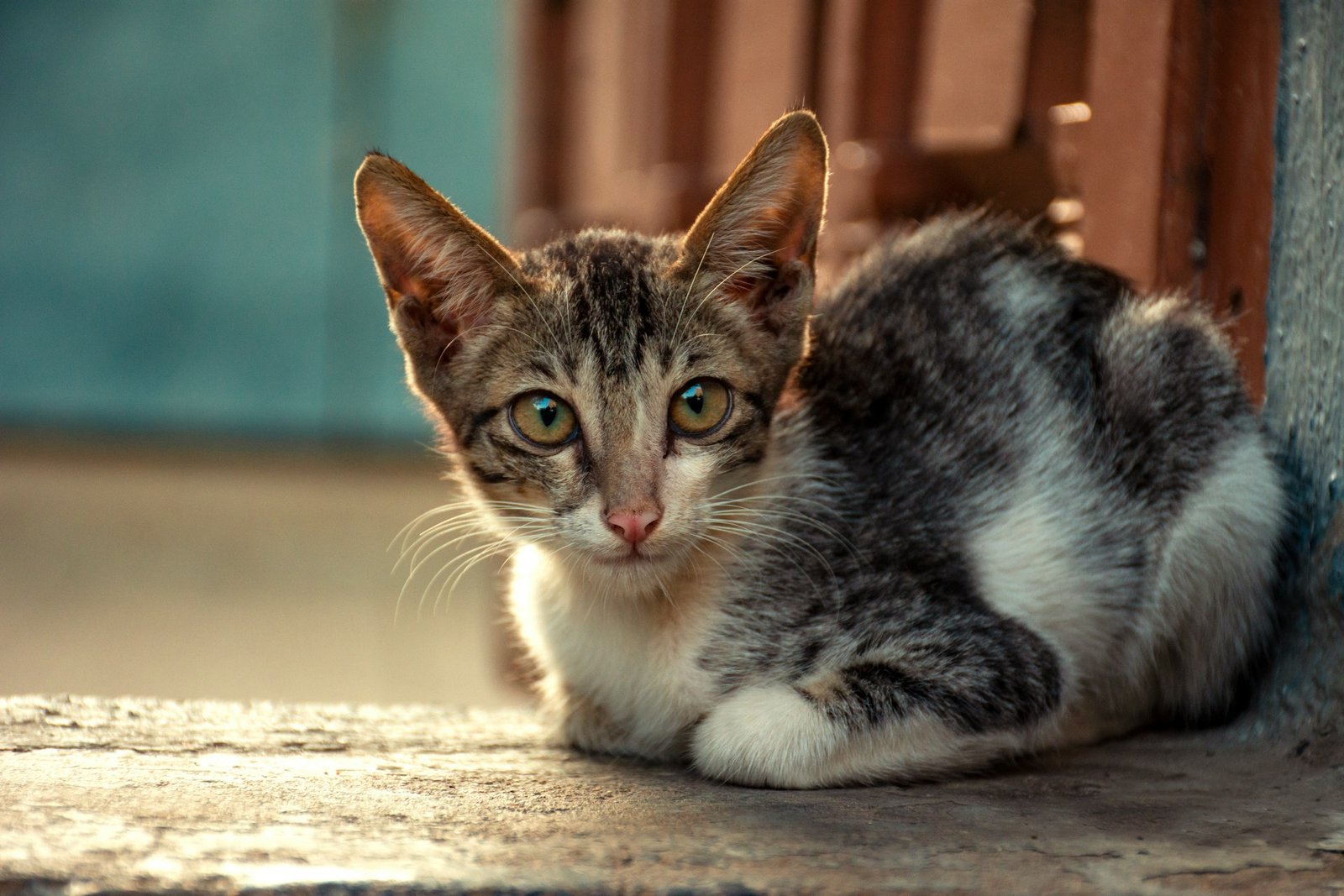

Calcium deficiency in cats — known medically as hypocalcaemia — is less common than in dogs but more serious than many owners realise. Calcium is essential for muscle function, nerve transmission, heart rhythm, blood clotting, and bone structure. When levels drop too low, the effects range from subtle muscle tremors to life-threatening seizures.
This guide covers the signs, causes, and how calcium deficiency is diagnosed and treated.
What Does Calcium Do in a Cat’s Body?
Calcium is one of the most important minerals in feline physiology. It is involved in:
- Muscle contraction — including the heart muscle
- Nerve signal transmission — nerves rely on calcium to function properly
- Blood clotting — calcium is essential in the clotting cascade
- Bone and teeth strength — approximately 99% of the body’s calcium is stored in bones and teeth
- Hormone regulation — particularly parathyroid hormone (PTH) which controls calcium balance
Blood calcium levels are tightly regulated by the parathyroid glands, kidneys, and vitamin D. When this system fails — due to disease, diet, or hormonal disruption — calcium levels fall and symptoms develop.
Signs of Calcium Deficiency in Cats
Symptoms vary depending on how severely and how quickly calcium levels drop. Gradual deficiency may show subtle signs for weeks before becoming obvious; sudden, severe drops cause rapid deterioration.
Mild to Moderate Deficiency
- Muscle tremors or twitching — fine trembling particularly noticeable in the face and legs
- Stiff gait or difficulty walking — muscles cramp and do not function normally
- Restlessness and anxiety — cats with low calcium often seem unsettled and cannot relax
- Hypersensitivity to touch or sound — exaggerated response to being handled or loud noises
- Loss of appetite and general lethargy
- Facial rubbing or pawing at the face — a response to the tingling sensation low calcium causes
Severe Deficiency (Hypocalcaemic Crisis)
- Seizures — sudden, uncontrolled muscle activity
- Tetany — sustained, painful muscle spasms
- Difficulty breathing — if respiratory muscles are affected
- Abnormal heart rhythm — potentially life-threatening
- Collapse
Severe hypocalcaemia is a veterinary emergency. If your cat is seizing or has collapsed, go to an emergency vet immediately — do not wait.
Common Causes of Calcium Deficiency in Cats
Hypoparathyroidism
The most common cause of true hypocalcaemia in cats. The parathyroid glands — four tiny glands embedded in or near the thyroid gland — produce parathyroid hormone (PTH), which regulates blood calcium. When these glands are damaged or removed, PTH production drops and blood calcium falls.
Causes of hypoparathyroidism:
- Accidental damage or removal of the parathyroid glands during thyroid surgery — a known complication of hyperthyroidism surgery in cats
- Immune-mediated destruction of the glands
- Infiltration by tumour or infection
Chronic Kidney Disease
Failing kidneys cannot activate vitamin D properly, and vitamin D is essential for calcium absorption from the gut. Kidney disease also causes phosphorus retention, which drives calcium levels down. Kidney disease is one of the most common conditions in older cats — see our how to care for a senior dog guide for age-related health monitoring that applies equally to senior cats.
Nutritional Deficiency
Cats fed an unbalanced homemade diet — particularly one high in meat without appropriate calcium supplementation — can develop nutritional secondary hyperparathyroidism. The body leaches calcium from bones to maintain blood levels, eventually causing bone weakness and fractures alongside other symptoms.
Commercial complete cat foods formulated to AAFCO standards contain adequate calcium for healthy cats. Nutritional deficiency is almost exclusively a problem in cats fed unbalanced homemade or raw diets without proper formulation.
Eclampsia (Puerperal Tetany)
Seen in nursing queens — particularly those nursing large litters. The demand for calcium in milk production can outstrip the mother’s ability to maintain blood calcium levels. Eclampsia in cats is less common than in dogs but does occur, typically in the first 3–4 weeks of nursing.
Signs are dramatic and rapid — muscle tremors, stiff gait, hypersensitivity, and quickly progressing to seizures without treatment. This is an emergency requiring immediate intravenous calcium supplementation.
Pancreatitis
Severe pancreatitis can cause hypocalcaemia through calcium binding to fats released from the inflamed pancreas — a process called saponification. This is a marker of severe pancreatitis and indicates a more guarded prognosis.
Low Albumin (Hypoalbuminaemia)
Much of the calcium in blood is bound to albumin — a protein. In cats with low albumin (from liver disease, protein-losing conditions, or severe illness), total measured calcium appears low even when the metabolically active ionised calcium is normal. Your vet will measure ionised calcium specifically to distinguish true hypocalcaemia from low albumin-associated low total calcium.
Diagnosing Calcium Deficiency
A vet will measure calcium levels through a blood test. Two measurements matter:
Total calcium — measures all calcium in the blood including that bound to albumin. Can appear falsely low in cats with hypoalbuminaemia.
Ionised calcium — measures only the free, metabolically active calcium. This is the more clinically meaningful measurement and is what your vet will focus on when assessing true hypocalcaemia.
Additional tests to identify the underlying cause typically include:
- PTH (parathyroid hormone) level
- Vitamin D level
- Kidney function panel (BUN, creatinine, phosphorus)
- Complete blood count and full biochemistry panel
- Urinalysis
Treatment of Calcium Deficiency in Cats
Treatment depends on the cause and severity.
Emergency Treatment
For acute, severe hypocalcaemia causing seizures or tetany:
- Intravenous calcium gluconate — given slowly under careful cardiac monitoring, as too-rapid IV calcium causes dangerous heart rhythm changes
- Hospitalisation for stabilisation and monitoring
Long-Term Management of Hypoparathyroidism
Cats with permanent hypoparathyroidism require:
- Oral calcium supplementation — calcium carbonate or calcium gluconate tablets
- Vitamin D supplementation — typically calcitriol (active vitamin D), which bypasses the kidney activation step
- Regular blood calcium monitoring — to keep levels in the safe range. Too low causes symptoms; too high causes calcium deposits in kidneys and other organs
This is lifelong management — most cats with hypoparathyroidism do very well on appropriate supplementation with regular monitoring.
Nutritional Deficiency
Correct the diet — transition to a complete commercial cat food formulated to AAFCO standards. If you prefer to feed homemade, consult a board-certified veterinary nutritionist to formulate a genuinely balanced recipe.
Eclampsia in Nursing Queens
Remove kittens from nursing temporarily (supplement with kitten milk replacer), administer IV calcium under veterinary supervision, and gradually reintroduce nursing under monitoring. Some queens cannot return to full nursing of large litters after eclampsia.
Can You Give Calcium Supplements to a Cat at Home?
Only under veterinary guidance. This is important:
- Too little calcium causes the symptoms described above
- Too much calcium causes hypercalcaemia — calcium deposits in the kidneys (nephrocalcinosis), urinary stones, and organ damage
- Vitamin D toxicity from over-supplementation is similarly dangerous
Never give your cat calcium supplements, vitamin D supplements, or any mineral supplement without a confirmed diagnosis and specific veterinary dosing instructions. Self-supplementing based on suspected deficiency causes more harm than good.
Calcium Deficiency in Cats — FAQ
Can a cat get calcium deficiency from diet alone? Only if fed an unbalanced homemade diet lacking appropriate calcium supplementation, or one heavily meat-based without bone content or a calcium source. All complete commercial cat foods contain sufficient calcium. Nutritional deficiency is rare in cats fed quality commercial food.
My cat’s blood test showed low calcium — should I give calcium tablets? Not without veterinary guidance. Low total calcium on a blood test requires interpretation — your vet will check ionised calcium and albumin levels to determine whether true hypocalcaemia is present before recommending treatment.
Can old cats get calcium deficiency? Yes — chronic kidney disease, which is very common in older cats, affects calcium regulation and can cause or contribute to hypocalcaemia. Annual blood tests in senior cats catch this early. See our how to tell if your cat is in pain guide for subtle signs of chronic illness in older cats.
My pregnant or nursing cat seems wobbly and restless — could this be calcium deficiency? Yes — eclampsia is possible in nursing queens, particularly those nursing large litters. This is an emergency — contact your vet immediately. Do not wait for symptoms to worsen.
What foods are high in calcium for cats? Cats on a complete commercial diet do not need additional calcium sources. For cats on homemade diets, bone meal, ground eggshell, and calcium carbonate supplements are common sources — but the amount required depends on the specific diet formulation and must be calculated by a veterinary nutritionist.
Also read: My Cat Is Sick — Signs and When to See a Vet | How to Tell If Your Cat Is in Pain | Why Is My Cat Losing Weight | How Long Do Cats Live