
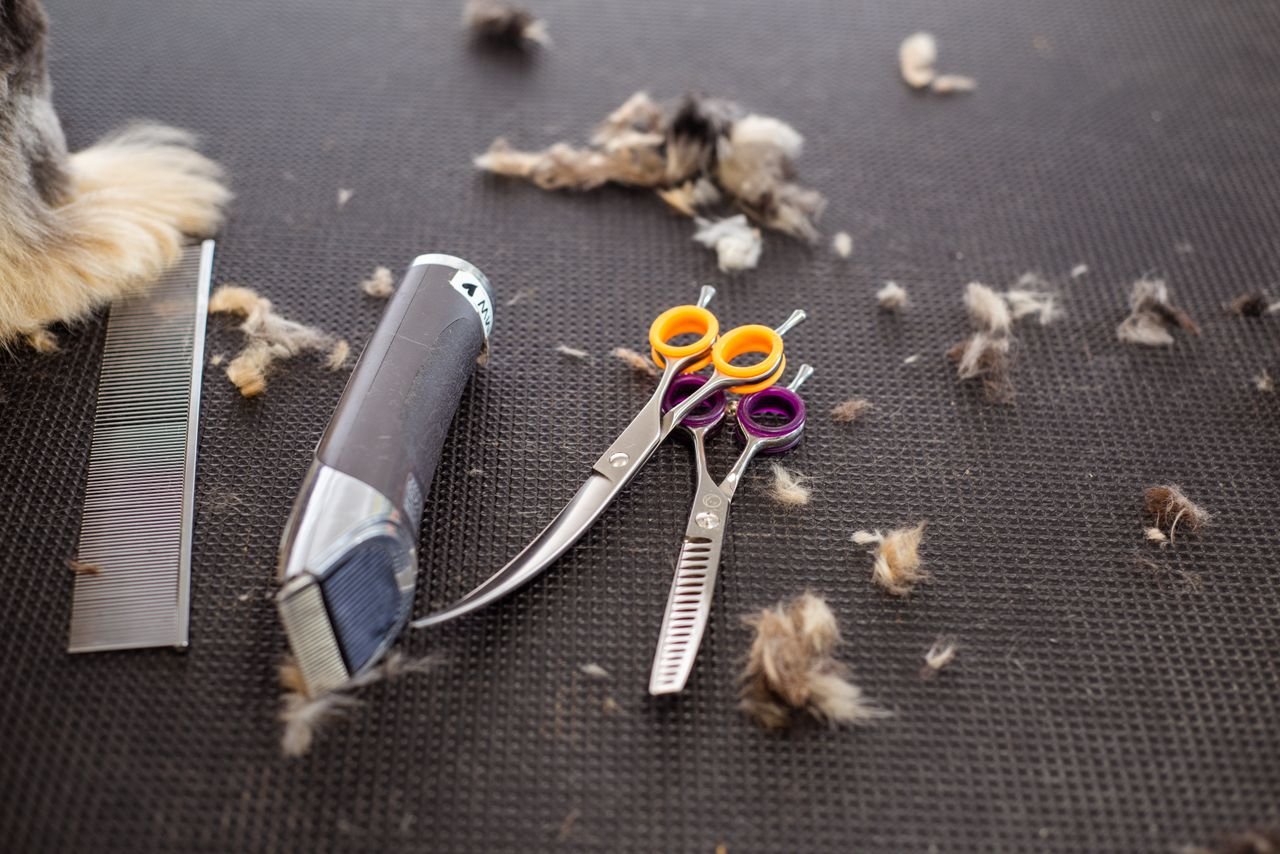

Walk into any pet store and the grooming aisle can feel overwhelming — dozens of brushes, clippers, and tools that all claim to be essential. The truth is simpler: most dogs only need a handful of well-chosen tools matched to their specific coat type. The best dog grooming tools for home use depend entirely on what kind of coat you’re working with.
This guide breaks down exactly which tools you need by coat type, what each one does, and which products are genuinely worth buying versus skipping.
The Core Toolkit Every Dog Owner Needs
Regardless of breed, these basics belong in every home grooming kit:
Nail clippers or grinder — for routine nail maintenance every 3–4 weeks.
Ear cleaning solution and cotton balls — for weekly ear checks and as-needed cleaning.
Dog-specific shampoo — never substitute human shampoo, which has the wrong pH for dog skin.
A towel set dedicated to grooming — microfibre towels dry faster and absorb more water than regular cotton.
Styptic powder — for the occasional nicked nail quick. Cheap, essential, easy to forget until you need it urgently.
Brushes by Coat Type
The single most important tool decision is choosing the right brush for your dog’s specific coat — using the wrong brush type is the most common home grooming mistake.
Slicker Brush
Fine, closely spaced wire bristles set at an angle. Excellent for removing loose hair, light tangles, and surface debris from medium to long coats. This is the most versatile brush and a good starting point for most dog owners.
Best for: Golden Retrievers, Goberians, Poodles, Doodles, Cocker Spaniels
Undercoat Rake
Long, widely spaced teeth designed to reach through the top coat and pull loose undercoat fur away from the skin without damaging the topcoat. Essential for double-coated breeds during shedding season.
Best for: Siberian Huskies, German Shepherds, Golden Retrievers, Goberians
Bristle Brush
Natural or synthetic bristles set closely together. Gentler than a slicker brush, ideal for short-haired breeds and for finishing/polishing a coat after using a slicker or rake.
Best for: Labradors, Beagles, Boxers, Dachshunds
Pin Brush
Long, widely spaced pins with rounded tips, similar to a human hairbrush. Good for fluffing and finishing long coats without flattening the texture.
Best for: Maltese, Yorkies, Shih Tzus, Pomeranians
Grooming Mitt / Rubber Curry Brush
A glove-style brush with rubber nubs. Excellent for short coats and particularly good for dogs who are nervous about traditional brushes, since it feels more like petting than grooming.
Best for: Anxious dogs, puppies just learning to tolerate brushing, any short-coated breed
Comparison Table — Which Brush for Which Coat
| Coat Type | Primary Tool | Secondary Tool |
|---|---|---|
| Short/smooth | Rubber curry brush | Bristle brush |
| Double coat | Undercoat rake | Slicker brush |
| Long/silky | Pin brush | Metal comb |
| Curly/wool | Slicker brush | Metal comb |
| Wire-haired | Stripping comb | Slicker brush |
Nail Care Tools
Standard Clippers (Guillotine or Scissor Style)
The traditional choice. Guillotine-style clippers work well for small to medium nails; scissor-style clippers handle thicker nails on larger breeds more easily.
Nail Grinder
An electric or battery-powered rotary tool that files the nail down gradually rather than cutting it in one motion. Many dogs tolerate grinders better than clippers because there’s no sudden pressure sensation, and the gradual filing reduces the risk of cutting the quick.
Which to choose? If your dog tolerates handling well and you’re confident, clippers are faster. If your dog is nervous about nail care, a quiet grinder often produces better long-term cooperation.
Bathing Tools
Shower Attachment / Sprayer
A handheld shower attachment makes thorough rinsing dramatically easier than using cups or a bucket, and thorough rinsing is the step most home groomers get wrong.
Grooming Tub or Non-Slip Mat
For larger dogs bathed in a standard bathtub, a non-slip mat prevents your dog from sliding and panicking during the bath — a major contributor to bath-time anxiety in dogs.
Dog-Safe Hair Dryer
A pet-specific dryer on a low, cool setting dries faster than air drying and fluffs the coat for easier post-bath brushing. Standard human hairdryers run hotter than what’s safe for sustained use on dog skin.
Ear and Dental Tools
Ear Cleaning Solution
A vet-approved formula breaks down wax and debris gently. Avoid using cotton swabs inside the ear canal — stick to wiping the visible folds with a cotton ball.
Dog Toothbrush and Toothpaste
A finger brush or long-handled dog toothbrush paired with enzymatic dog toothpaste (never human toothpaste, which can contain xylitol — toxic to dogs). For dogs who resist brushing entirely, our guide to cleaning dog teeth without brushing covers effective alternatives.
Finishing and Maintenance Tools
Metal Comb
A fine-toothed metal comb is the final check tool — running it through the coat after brushing reveals any tangles the brush missed. Essential for long and curly-coated breeds.
De-shedding Tool
Different from an undercoat rake, these tools (like the FURminator) use a specialised edge to remove loose undercoat hair more aggressively. Best used 1–2 times weekly, not daily, as overuse can damage the topcoat.
Detangling Spray
A leave-in spray that makes brushing through mats and tangles significantly easier and less painful for the dog, particularly useful for long-haired breeds.
Building Your Kit by Budget
Starter kit (under $40): Slicker brush, basic nail clippers, dog shampoo, styptic powder, ear cleaning solution.
Complete kit ($40–$100): Add an undercoat rake or de-shedding tool, a nail grinder, a metal comb, and a dog-safe dryer attachment.
Full home grooming setup ($100+): Add clippers for breed-specific cuts, a grooming table or non-slip mat, and a higher-powered dryer for double-coated breeds.
Tool Maintenance Tips
Clean brushes after every use — remove trapped hair to keep bristles working effectively and to prevent bacteria buildup.
Sanitise clippers and grinders regularly, especially if used near any skin irritation.
Replace nail clippers when they become dull — dull blades crush rather than cut cleanly, which is more painful for your dog.
Store tools dry to prevent rust on metal components.
Best Dog Grooming Tools — FAQ
What’s the single most important grooming tool to own? A brush matched to your dog’s specific coat type. Using the wrong brush — for example, a slicker brush on a short-haired dog or a bristle brush on a double coat — is the most common reason home grooming feels ineffective.
Do I need both a slicker brush and an undercoat rake? For double-coated breeds, yes — they serve different purposes. The rake removes loose undercoat; the slicker brush smooths and finishes the topcoat.
Are nail grinders better than clippers? Neither is universally better — it depends on your dog’s tolerance. Grinders work gradually and many anxious dogs tolerate them better, but they take longer and the noise itself can be a stressor for some dogs. Clippers are faster but require more confidence and precision.
How do I know if I need professional-grade clipper tools? If your dog needs a specific breed cut (Poodle clip, Schnauzer trim) that requires clipper blade changes and styling skill, this is generally better left to a professional groomer rather than attempting it with home clippers.
Conclusion
The best dog grooming tools for home use aren’t about buying everything available — they’re about matching the right tool to your specific dog’s coat type and needs. A slicker brush and undercoat rake for double coats, a pin brush and metal comb for long silky coats, a rubber curry brush for short coats — getting this match right makes grooming faster, more effective, and far less stressful for both of you.
Start with the core toolkit, add coat-specific tools as needed, and maintain your tools properly so they keep working well for years. For tasks beyond home capability — matting, breed-specific cuts, or anxious dogs needing experienced handling — our trusted partner PawCareBuddy offers full professional grooming services.
Also read: How to Groom a Dog at Home — Step by Step | How Often Should You Groom Your Dog | How to Clean Dog Ears at Home | How to Clean Dog Teeth Without Brushing