
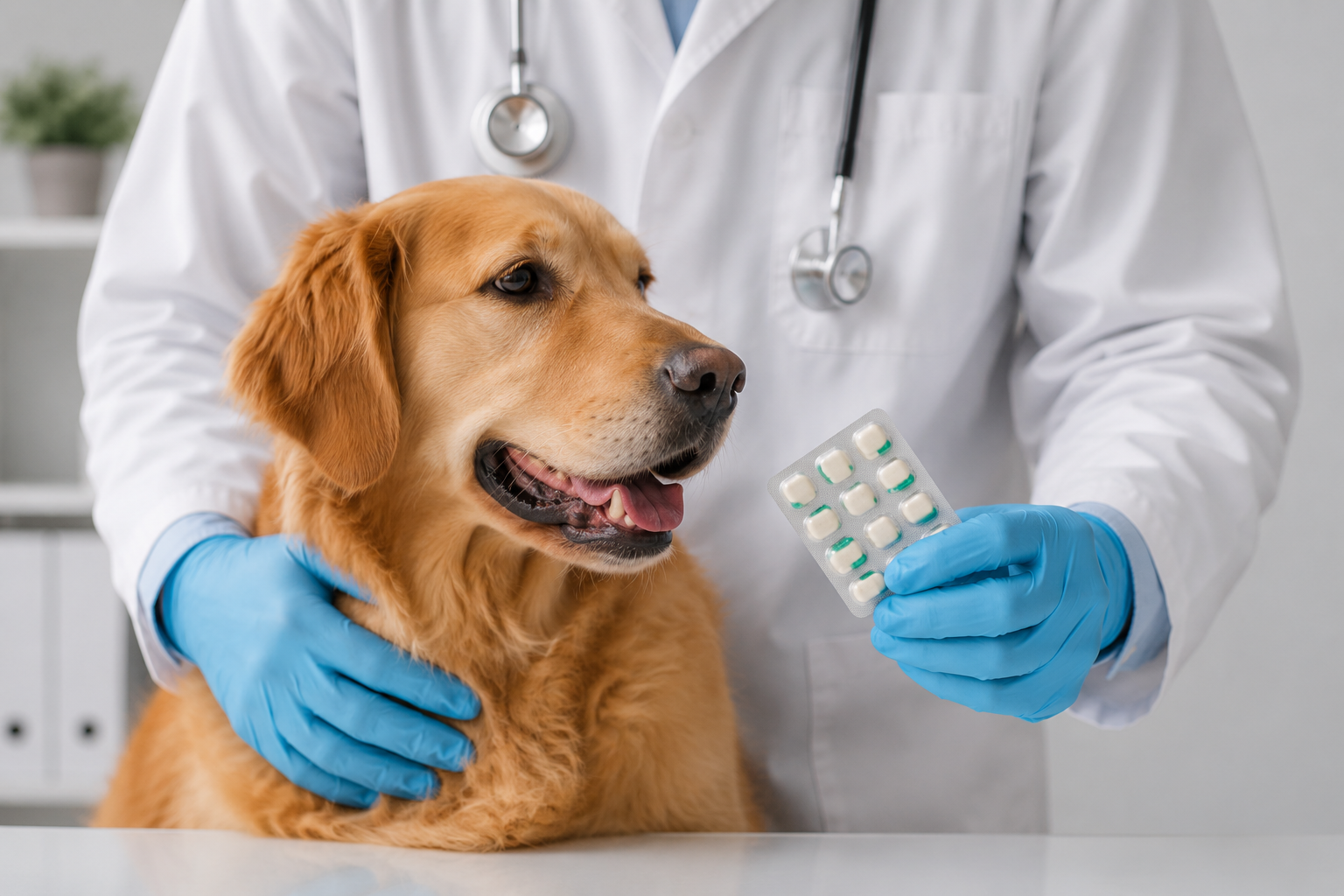

Your vet just prescribed gabapentin for your dog and you want to know more before giving it. What does it do? Is it safe? How much is right for your dog’s weight? What should you watch out for?
Gabapentin for dogs is one of the most commonly prescribed veterinary medications in the USA and Canada — used for pain management, anxiety, seizures, and post-surgical recovery. It has a well-established safety record in dogs when used correctly and under veterinary supervision.
This guide covers everything dog owners need to know — what gabapentin does, when vets prescribe it, dosage by weight, side effects, what to avoid, and how it compares to other dog pain medications.
Important: This guide is for informational purposes only. Never give your dog gabapentin without a prescription and explicit dosage instructions from your vet. Dosage varies significantly by individual dog, condition being treated, and other medications your dog may be taking.
What Is Gabapentin for Dogs?
Gabapentin (brand name Neurontin) is an anticonvulsant and analgesic medication originally developed for human use. It is now widely used in veterinary medicine for dogs and cats.
In dogs, gabapentin works by reducing the transmission of pain signals in the nervous system and calming overactive nerve activity. It does not work the same way as traditional anti-inflammatory pain medications like carprofen or meloxicam — instead it specifically targets neuropathic (nerve-related) pain and is particularly effective for chronic pain conditions.
Gabapentin is not FDA-approved specifically for veterinary use — it is prescribed off-label for dogs, which is completely standard and legal practice in veterinary medicine. Many of the most effective and widely used veterinary medications are prescribed this way.
What Is Gabapentin Used for in Dogs?
Vets prescribe gabapentin for dogs across several different conditions. Here are the most common uses:
Pain Management — Especially Neuropathic Pain
Gabapentin is most commonly prescribed for chronic pain — particularly the nerve pain associated with:
- Arthritis and joint disease — particularly in senior dogs where long-term pain management is needed
- Intervertebral disc disease (IVDD) — a spinal condition especially common in Dachshunds
- Cancer pain — gabapentin is frequently used as part of palliative pain management in dogs with cancer
- Post-surgical pain — often prescribed for several days to weeks following orthopaedic surgery
- Hip dysplasia — chronic joint pain management in affected dogs
- Spondylosis — spinal degeneration common in older large breeds
Gabapentin is particularly effective for neuropathic pain — the burning, shooting nerve pain that standard NSAIDs (non-steroidal anti-inflammatory drugs) do not manage well. It is often prescribed alongside carprofen or meloxicam for dogs that need both anti-inflammatory and nerve pain coverage.
Seizure Management
Gabapentin is used as an add-on anticonvulsant for dogs with epilepsy that is not fully controlled by primary seizure medications like phenobarbital. It is rarely used as the sole seizure medication but is effective as part of a multi-drug protocol.
Anxiety and Situational Stress
Gabapentin has sedative properties that make it useful for situational anxiety in dogs — including:
- Veterinary visits (for dogs with significant vet anxiety)
- Grooming appointments
- Thunderstorm and firework anxiety
- Travel anxiety
- Post-hospitalisation anxiety
For situational anxiety, gabapentin is typically given as a single dose 1–2 hours before the stressful event. It is often prescribed alongside trazodone for dogs with severe anxiety — the combination of gabapentin and trazodone is a well-established veterinary protocol for anxious dogs.
Vestibular Disease
Gabapentin is sometimes used in dogs recovering from vestibular disease (also called old dog vestibular syndrome) to manage discomfort and reduce neurological symptoms during recovery.
Gabapentin Dosage for Dogs — General Guidelines
The following is general information only. Your vet will calculate the correct dose for your specific dog based on their weight, condition, age, kidney function, and other medications. Always follow your vet’s instructions exactly — do not adjust the dose without consulting them first.
Gabapentin dosage for dogs is calculated by body weight (mg per kg) and varies depending on what it is being used for:
| Use | Typical Dose Range | Frequency |
|---|---|---|
| Chronic pain (arthritis, cancer) | 5–10 mg/kg | Every 8–12 hours |
| Neuropathic pain (IVDD, post-surgery) | 10–20 mg/kg | Every 8–12 hours |
| Seizure management (add-on) | 5–10 mg/kg | Every 8 hours |
| Situational anxiety (single event) | 5–30 mg/kg | Single dose 1–2 hours before event |
Gabapentin Dosage Examples by Weight
| Dog Weight | Typical Pain Dose (5–10 mg/kg) | Typical Anxiety Dose (one-time) |
|---|---|---|
| 10 lbs (4.5 kg) | 22–45 mg | 22–135 mg |
| 20 lbs (9 kg) | 45–90 mg | 45–270 mg |
| 40 lbs (18 kg) | 90–180 mg | 90–540 mg |
| 60 lbs (27 kg) | 135–270 mg | 135–810 mg |
| 80 lbs (36 kg) | 180–360 mg | 180–1,080 mg |
These ranges are wide because the correct dose depends on the individual dog and what it is being used for. Your vet will specify the exact dose. Never attempt to calculate gabapentin dosage without veterinary guidance — under-dosing reduces effectiveness and over-dosing can cause serious sedation and other complications.
Available Forms of Gabapentin for Dogs
- Capsules: 100 mg, 300 mg, 400 mg (most commonly prescribed)
- Tablets: 100 mg, 300 mg, 400 mg, 600 mg, 800 mg
- Liquid oral solution: 50 mg/ml — used for small dogs or dogs that cannot swallow capsules
Critical warning about liquid gabapentin: Human liquid gabapentin formulations often contain xylitol — an artificial sweetener that is extremely toxic to dogs. Always confirm with your vet or pharmacist that any liquid gabapentin prescribed for your dog is xylitol-free. Veterinary compounded liquid formulations should always be specified.
How Long Does Gabapentin Take to Work in Dogs?
Gabapentin is absorbed relatively quickly. For situational anxiety (vet visits, grooming, fireworks), it is typically given 1–2 hours before the event and peak effect is seen within 2–3 hours.
For chronic pain management, gabapentin may take several days of consistent dosing before full therapeutic benefit is achieved. It is not a once-off pain pill — it works best when given regularly at consistent intervals.
How Long Does Gabapentin Last in Dogs?
The effects of gabapentin typically last 8–12 hours in dogs, which is why most chronic dosing schedules are every 8 or every 12 hours. Dogs with kidney disease may metabolise gabapentin more slowly, which is why kidney function is an important consideration in dosing — always disclose any kidney issues to your vet before starting gabapentin.
Side Effects of Gabapentin in Dogs
Gabapentin has a good safety profile in dogs when used at appropriate doses under veterinary supervision. However, side effects do occur and are important to recognise.
Common Side Effects
Sedation and drowsiness — the most common side effect. Most dogs are noticeably sleepier when first starting gabapentin. This often reduces as the dog adjusts to the medication over several days. If sedation is excessive or does not improve, contact your vet — the dose may need adjustment.
Ataxia (wobbliness) — some dogs experience loss of coordination, particularly in the hind limbs. This is more common at higher doses and usually improves as the body adjusts. If your dog seems very unsteady or unable to walk normally, contact your vet promptly.
Increased appetite — some dogs on gabapentin become noticeably hungrier. Monitor weight and adjust food portions accordingly.
Lethargy — beyond sleepiness, some dogs show overall reduced energy and motivation. This usually settles within the first week.
Less Common Side Effects
Vomiting — occurs in some dogs, particularly when gabapentin is given on an empty stomach. Giving it with food often reduces this.
Diarrhoea — some dogs experience loose stools when first starting the medication.
Increased thirst and urination — if your dog is drinking more water than normal, mention it to your vet at the next visit.
Panting — some owners report increased panting, particularly in dogs on higher doses.
When to Contact Your Vet Immediately
- Sudden severe sedation or inability to stand
- Significant breathing changes
- Seizures in a dog not already being treated for epilepsy
- Signs of allergic reaction: facial swelling, hives, difficulty breathing
- Any side effect that appears suddenly or worsens rapidly
For a full guide on recognising illness warning signs in dogs, read our guide on how to care for a senior dog, which covers pain and distress signals in detail.
Gabapentin for Dog Anxiety — Does It Work?
Yes — gabapentin is an effective option for situational anxiety in dogs, particularly for veterinary visits and grooming, where a relatively short window of sedation and calm is needed.
It is important to understand that gabapentin for anxiety works primarily through its sedative properties — it makes the dog calmer by reducing overall neurological activity, not by specifically targeting anxiety pathways the way medications like fluoxetine do.
For situational anxiety, gabapentin is typically prescribed as a single dose given 1–2 hours before the stressor. Many vets prescribe it alongside trazodone — the gabapentin and trazodone combination for dogs is widely used and generally well-tolerated.
For ongoing anxiety conditions — separation anxiety, generalised anxiety, noise phobia — gabapentin alone is not the right long-term solution. Behavioural modification and medications like fluoxetine or clomipramine are more appropriate for chronic anxiety. Discuss options with your vet.
For practical strategies for dogs that are anxious when alone, read our guide on how long can a dog be left alone.
Gabapentin for Dog Arthritis and Joint Pain
Arthritis is one of the most common reasons gabapentin is prescribed for dogs — particularly senior dogs in whom pain management is an ongoing priority.
Gabapentin is particularly useful for arthritic dogs because joint pain has a significant neuropathic component that NSAIDs do not fully address. Carprofen and meloxicam reduce inflammation effectively, but the nerve sensitisation that develops over months and years of chronic joint pain requires a different approach.
Many senior dogs with arthritis are prescribed a combination of:
- An NSAID (carprofen, meloxicam, or grapiprant) for inflammation
- Gabapentin for neuropathic pain
- Glucosamine and chondroitin supplements for joint support
- Omega-3 fatty acids for anti-inflammatory support
This multi-modal approach addresses pain from multiple angles and is considered best practice for managing chronic arthritis pain in dogs.
For more on supporting arthritic senior dogs, read our complete guide on how to care for a senior dog.
Senior dog joint supplement glucosamine
Gabapentin Drug Interactions in Dogs
Gabapentin interacts with several other medications commonly used in dogs. Always give your vet a complete list of all medications and supplements your dog is currently taking before starting gabapentin.
Antacids — aluminium or magnesium-based antacids can reduce gabapentin absorption. Give gabapentin at least 2 hours apart from antacids.
CNS depressants — medications that have sedative effects (including trazodone, certain antihistamines, and anaesthetic agents) can compound gabapentin’s sedative effect. Your vet will adjust doses accordingly if combining these medications.
Opioid pain medications — the combination of gabapentin and opioids requires careful dosing as both have sedative and respiratory depressant properties.
Rimadyl (carprofen) and other NSAIDs — generally safe to use alongside gabapentin when both are prescribed by a vet. This is a common combination for arthritis pain management.
Prednisone — gabapentin and prednisone are sometimes prescribed together. Your vet will advise on timing and monitoring.
Can You Give Human Gabapentin to Dogs?
Technically, gabapentin itself is the same molecule whether it comes from a human or veterinary pharmacy. However, there are two critical reasons not to use human gabapentin for dogs without veterinary guidance:
1. Liquid formulations often contain xylitol. Many human liquid gabapentin products contain xylitol, which is severely toxic to dogs. Even a small amount can cause life-threatening hypoglycaemia and liver failure.
2. Dosing is completely different. Human gabapentin prescriptions are calibrated for human body weight and conditions. Dog dosing is calculated entirely differently and must be determined by a vet based on your dog’s weight and specific condition.
Never give your dog human gabapentin without an explicit veterinary prescription and dose calculation. Always use gabapentin dispensed or approved by a licensed vet.
Gabapentin for Senior Dogs — Special Considerations
Senior dogs on gabapentin require additional monitoring for two reasons:
Kidney function — gabapentin is primarily excreted through the kidneys. Dogs with reduced kidney function metabolise gabapentin more slowly, meaning it stays in the system longer and sedation can be prolonged or excessive. Pre-treatment bloodwork including kidney values is strongly recommended before starting gabapentin in any senior dog.
Drug accumulation — senior dogs on long-term gabapentin should have periodic bloodwork to monitor kidney function and overall health. Most vets recommend reassessment every 6 months for senior dogs on chronic gabapentin therapy.
Increased sensitivity — older dogs often show stronger sedation effects at the same doses that younger dogs tolerate well. Starting at a lower dose and adjusting upward is often the safer approach in geriatric dogs.
Stopping Gabapentin — Never Stop Abruptly
This is one of the most important warnings in this guide. Never stop gabapentin suddenly in a dog who has been taking it regularly.
Abrupt discontinuation of gabapentin — particularly in dogs on it for seizure management or long-term pain — can cause withdrawal effects including rebound pain, anxiety, and in epileptic dogs, seizure breakthrough.
Always taper gabapentin dosage gradually under your vet’s direction when discontinuing. Your vet will provide a specific tapering schedule — typically reducing the dose over 1–2 weeks.
Where to Buy Gabapentin for Dogs
Gabapentin requires a veterinary prescription in the USA and Canada. It is not available over the counter and should not be purchased from sources that claim to offer it without a prescription — these are not legitimate pharmacies.
With a valid prescription from your vet, gabapentin for dogs can be filled at:
- Your veterinary clinic’s in-house pharmacy
- Licensed online pet pharmacies such as Chewy Pharmacy
- Human pharmacies (Walgreens, CVS, Costco) — often at lower cost than vet clinic prices
- GoodRx can be used to compare prices at human pharmacies for significant savings
Frequently Asked Questions
What is gabapentin used for in dogs? Gabapentin is used in dogs for chronic pain management (especially neuropathic and arthritis pain), seizure control as an add-on medication, situational anxiety (vet visits, grooming, fireworks), and post-surgical pain recovery. It is one of the most commonly prescribed veterinary medications in the USA and Canada.
What is the correct gabapentin dosage for dogs? Dosage is calculated by your vet based on your dog’s body weight (typically 5–10 mg/kg for pain, every 8–12 hours) and the condition being treated. Never calculate or adjust gabapentin doses without veterinary guidance.
Is gabapentin safe for dogs? Yes — gabapentin has a well-established safety record in dogs when prescribed and dosed correctly by a vet. The most common side effects are sedation and ataxia (wobbliness), which usually improve as the dog adjusts to the medication.
Can liquid gabapentin be given to dogs? Only if it is confirmed xylitol-free. Many human liquid gabapentin formulations contain xylitol, which is severely toxic to dogs. Always confirm with your vet or pharmacist that any liquid formulation is safe for dogs before administering.
How long does gabapentin last in dogs? The effects of gabapentin typically last 8–12 hours in dogs, which is why most dosing schedules are every 8 or 12 hours. The duration can be longer in senior dogs or those with reduced kidney function.
Can I stop giving my dog gabapentin suddenly? No — never stop gabapentin abruptly, especially in dogs who have been taking it regularly. Sudden discontinuation can cause withdrawal effects including rebound pain and, in epileptic dogs, seizure breakthrough. Always taper gradually under your vet’s guidance.
Conclusion
Gabapentin for dogs is a safe, effective, and widely used medication for pain management, anxiety, and seizure control — when prescribed and dosed correctly by a veterinarian. Its particular strength is in managing neuropathic pain that standard anti-inflammatory medications do not reach, making it especially valuable for senior dogs with arthritis, dogs recovering from spinal surgery, and dogs with cancer-related pain.
The key rules are simple: only use gabapentin with a valid veterinary prescription, follow your vet’s dosage instructions exactly, never use liquid formulations without confirming they are xylitol-free, and never stop the medication abruptly.
If your dog has been prescribed gabapentin and you have concerns about side effects or effectiveness, always raise them with your vet rather than adjusting the dose yourself.
For more dog health advice, read our guides on how to care for a senior dog, best pet insurance for dogs in the USA, and best food for dogs with sensitive stomachs.
This article is for general informational purposes only and does not constitute veterinary medical advice. Always consult a licensed veterinarian before giving your dog any medication, including gabapentin. Dosage, safety, and suitability must be assessed by a qualified vet based on your individual dog’s health, weight, and medical history.
Also read: How to Care for a Senior Dog | Best Pet Insurance for Dogs in the USA | Why Does My Dog Lick His Paws? | Best Food for Dogs with Sensitive Stomachs | How Long Can a Dog Be Left Alone?