
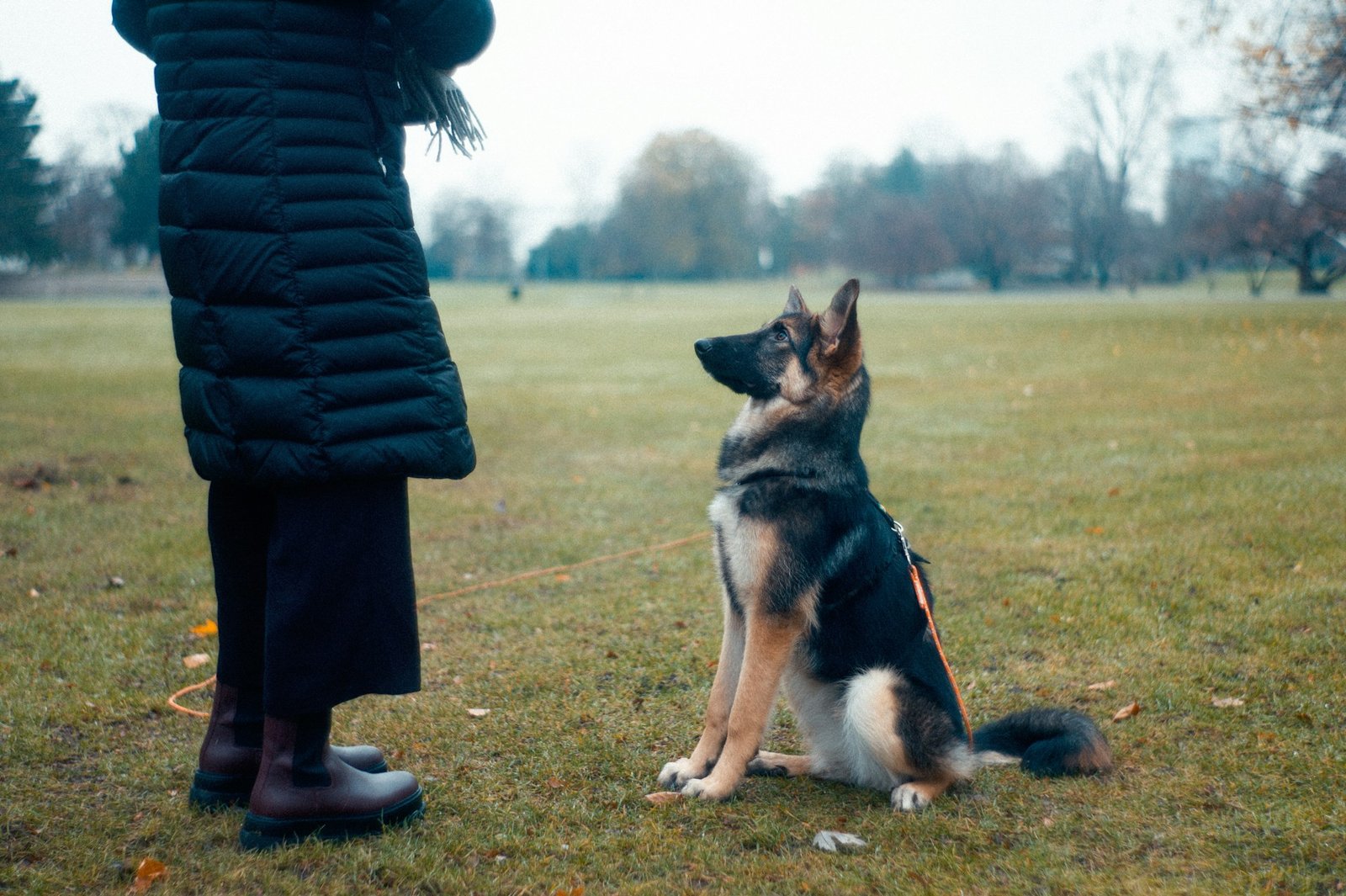

You want your dog to sit. Your dog wants to do literally anything else. You have said “sit” fourteen times, your dog has looked at you with polite indifference, and now you are wondering if your dog is somehow uniquely untrainable.
How to teach a dog to sit in 5 minutes is not a gimmick — it genuinely is one of the fastest commands any dog can learn when the method is correct. Sit is the foundation of almost every other obedience skill. It is the command that stops jumping, controls greetings, creates calm before meals, and gives your dog something to do with their body instead of whatever they were doing before. This guide gives you the exact method, step by step, for puppies and adult dogs — including stubborn dogs, older dogs, and dogs that have never been trained before.
Why Sit Is the Most Important Command You Will Ever Teach
Before getting into the method, it is worth understanding why sit is the single most valuable command in dog training. Great training our furry friends.
Sit is what trainers call an incompatible behaviour — a dog cannot sit and jump at the same time. A dog cannot sit and pull on the leash at the same time. A dog cannot sit and bolt through the front door at the same time. Teaching sit gives you a tool that replaces virtually every problem behaviour with a calm, controlled alternative.
As we covered in our guide to how to stop a dog from pulling on the leash, the most effective training approach is always teaching your dog what to do rather than just correcting what not to do. Sit is the starting point for that entire approach.
See the Recommended Dog Training Program
What You Need Before You Start
High-value treats: The most important ingredient in any training session. Use small, soft treats your dog can eat quickly without distraction — something they do not get at any other time. Cheese cubes, cooked chicken pieces, or soft training treats work well. The treat needs to be motivating enough that your dog pays attention to you over everything else in the environment. See our favorite soft dog training treats.
A quiet environment: For the first training sessions, choose a low-distraction space — your living room or garden with no other dogs, no loud noises, no other people. You are teaching a brand new behaviour. Distractions make learning significantly harder.
A short session: 3 to 5 minutes maximum per session. Dogs — especially puppies — have short attention spans and learn faster with multiple short sessions than one long one. If your dog loses interest, end the session positively and try again later.
Your marker word or a clicker: A marker is a sound that tells your dog the exact moment they did the right thing. “Yes!” said in a happy, consistent tone works perfectly. A clicker is even more precise. Whichever you use, the marker must come at the exact moment the behaviour happens — not a second later. Our recommend a dog training clicker.
How to Teach a Dog to Sit in 5 Minutes — Step by Step
Step 1 — Lure the Sit Position
Hold a treat between your thumb and forefinger, close to your dog’s nose. Let them sniff it so they know it is there. Slowly move the treat back over the top of their head — toward their tail.
As the treat moves backward over their head, your dog’s nose follows it upward and backward. Physics does the rest — as their nose goes up, their bottom goes down. The moment their bottom touches the floor, say “yes!” and give the treat immediately.
Do not say “sit” yet. At this stage, you are simply teaching your dog the physical movement and the reward that follows it. The word comes later.
Repeat this 5 to 10 times. Most dogs get the pattern within the first few repetitions. If your dog is jumping up to get the treat rather than sitting, lower the treat slightly and move it more slowly.
Step 2 — Fade the Lure
Once your dog is sitting reliably when you move the treat over their head, begin fading the lure. Hold the treat in your other hand and use just your empty hand to make the same gesture over their head. When they sit, immediately say “yes!” and deliver the treat from your other hand.
This is the step that transitions from “following food” to “responding to a hand signal.” Many owners skip this step and end up with a dog that only sits when they can see a treat. Fading the lure builds genuine obedience rather than food-following.
Step 3 — Add the Word
Once your dog is sitting reliably in response to your hand signal — sitting 8 out of 10 times — add the word.
Say “sit” once, clearly, just before your hand signal. Dog sits. Say “yes!” and reward. Repeat.
Within 10 to 20 repetitions, your dog will begin responding to the word before you even complete the hand signal. This is the dog making the connection between the word and the action.
The most common mistake at this stage: Saying “sit, sit, sit” repeatedly. If you repeat the command multiple times before your dog responds, you teach them that “sit” means nothing — “sitsitsit” is when they actually need to respond. Say it once, wait 3 seconds, then help them into the position with your hand signal if needed.
Step 4 — Proof the Behaviour
A dog that sits in your quiet living room does not automatically sit everywhere. You need to proof the behaviour — practice it in different locations, with different distractions, and with different people.
How to proof sit:
- Practice in the garden, then the front of the house, then on a walk
- Practice before meals, before opening doors, before putting the leash on
- Practice with other family members — the sit command must work for everyone, not just one person
- Practice with mild distractions — other people nearby, a toy on the floor — and reward heavily for sitting despite distractions
Each new environment and each new level of distraction is essentially a new training challenge. Expect your dog to struggle initially in new locations — that is normal. Drop your criteria back (easier environment, closer distance, better treat) and build up again.
Step 5 — Add the Stay
Once your dog can sit reliably on command, begin building duration — the length of time they hold the sit before being released.
How to teach stay from sit:
- Ask your dog to sit.
- Wait one second, say “yes!” and reward.
- Over multiple sessions, gradually increase the duration — 2 seconds, 5 seconds, 10 seconds, 30 seconds.
- Add a release word (“free” or “okay”) so your dog knows when they are allowed to move.
- Begin adding very small amounts of distance — one step back, two steps back — while they hold the sit.
The rule for adding difficulty: only ever make one thing harder at a time. Either increase duration or increase distance — never both in the same session.
How to Teach a Dog to Sit Without Treats
Many owners ask how to eventually get their dog to sit without treats. The answer is gradual fading combined with variable reward schedules.
The fading process:
- Once your dog sits reliably, begin rewarding every other sit rather than every sit
- Then reward randomly — sometimes the third sit, sometimes the first, sometimes the fifth
- Replace food rewards with life rewards: the reward for sitting at the door is the door opens; the reward for sitting before the leash goes on is the leash goes on
- Praise and petting can replace food in well-trained dogs for routine asks — reserve food rewards for new challenges and high-distraction environments
Do not remove treats too early. A common mistake is fading food rewards before the behaviour is truly reliable — this causes the sit to break down. The sit should be consistent across many environments and situations before food becomes intermittent.
How to Teach a Stubborn Dog to Sit
Some dogs — particularly independent breeds, adolescent dogs, and dogs that have learned to ignore commands — seem to resist sitting on cue. The solution is almost never more repetition. It is making the reward more valuable.
If your dog is not responding:
- Upgrade the treat. If cheese does not work, try cooked chicken. If chicken does not work, try hot dog pieces. Find the thing that makes your dog’s eyes light up and use that exclusively for training.
- Reduce the distraction. Go back to the quietest, lowest-distraction environment possible and start again.
- Shorten the session. Five repetitions and done — end before your dog mentally checks out.
- Check your timing. The marker must come the instant the bottom hits the floor. A marker that comes even one second late rewards something other than sitting.
If your dog still struggles, consider whether they are physically comfortable sitting. Some dogs — particularly older dogs and certain breeds with hip issues — find the sit position uncomfortable. A vet check is worthwhile if your dog consistently resists sitting but happily lies down.
How to Teach a Puppy to Sit
Puppies can begin sit training from 8 weeks of age. The method is identical to adult dog training — but with a few adjustments for puppy-specific realities.
Puppy-specific tips:
- Sessions of 2 to 3 minutes maximum — puppies have very short attention spans
- Use very small treat pieces — puppy-appropriate soft treats that are tiny enough not to fill them up in 5 repetitions
- End every session before your puppy loses interest — always end on a success
- Practice multiple short sessions throughout the day rather than one longer one
- Be patient with attention — puppies are distracted by everything. A puppy that looks away mid-session is being a puppy, not being disobedient
As we covered in our guide to how to crate train a puppy, short, positive, consistent training sessions from a young age build the foundation of a well-trained adult dog. The sit you teach today will be a behaviour your dog knows for life.
How to Teach a Dog to Lie Down
Once your dog reliably sits on cue, lie down is the natural next command — and it follows a very similar lure-based approach.
How to teach down from sit:
- Ask your dog to sit.
- Hold a treat at their nose, then slowly move it straight down to the floor between their front paws.
- As the treat moves to the floor, your dog’s nose follows — and their elbows often follow their nose down.
- The moment their elbows touch the floor, say “yes!” and reward.
- Once reliable, add the word “down” just before the lure, then fade the lure, then proof.
Some dogs fold their front legs down readily. Others pop back up before their elbows fully reach the floor — patience and very slow treat movement resolves this.
How to Teach a Dog to Sit and Stay — Quick Reference
| Stage | What to do | Duration |
|---|---|---|
| Week 1 | Lure sit, add marker, reward every sit | 3–5 min sessions, 3x daily |
| Week 2 | Fade lure, add word, reward reliably | 3–5 min sessions, 2–3x daily |
| Week 3 | Proof in 3 locations, add 5-second stay | 5 min sessions, 2x daily |
| Week 4 | Proof with distractions, build to 30-second stay | 5 min sessions, daily |
| Ongoing | Practice in real life situations — doors, meals, greetings | Brief real-life reinforcement |
FAQ — How to Teach a Dog to Sit
Q: How long does it take to teach a dog to sit? A: Most dogs learn the physical behaviour — moving into a sit for a treat — within 5 to 15 minutes of their first training session. Learning to sit reliably on verbal command in multiple environments takes 1 to 3 weeks of consistent practice. “Sit in 5 minutes” is an accurate description of the initial learning — but reliable, proofed obedience takes longer.
Q: My dog knows sit at home but not outside. Why? A: This is completely normal and is called a context-specific behaviour. Your dog has learned “sit means sit in the kitchen” — not “sit means sit everywhere.” The solution is proofing — practicing sit in every new environment, starting with lower distractions and building up. Each new location is a new training challenge.
Q: How do I teach a dog to sit without treats? A: Gradually replace food rewards with life rewards — the door opening, the leash going on, a toy being thrown. Use a variable reward schedule rather than removing treats entirely too soon. For well-trained dogs in routine situations, verbal praise and petting is sufficient reward. Reserve high-value food treats for new challenges and high-distraction environments.
Q: Can I teach an older dog to sit? A: Absolutely. The method is identical for dogs of all ages. Older dogs may take slightly longer to learn new behaviours, and some may find the physical position uncomfortable due to joint issues — check with your vet if your older dog consistently resists sitting. Otherwise, age is no barrier to learning sit.
Q: My dog sits but then immediately stands up. What do I do? A: You are rewarding the sit but not rewarding duration. Begin marking and rewarding the sit at 1 second, then 2 seconds, then 3 — building duration gradually before releasing your dog. The moment your dog sits and gets a treat, they know the exercise is over — so they stand up for the next opportunity. Building stay into the sit from the beginning prevents this pattern.
Q: How do I teach my dog to sit before eating? A: This is one of the most practical real-life applications of sit. Before placing the food bowl down, ask for a sit. Wait for the sit, then place the bowl and release with “free” or “okay.” Within a week, most dogs will automatically sit the moment they see their food bowl being prepared — without being asked. This is one of the cleanest examples of how sit replaces problem behaviour (jumping at the food bowl) with a calm alternative.
Conclusion
How to teach a dog to sit in 5 minutes is genuinely achievable — the physical behaviour can be established in a single short session using the lure method. What takes longer is building the reliable, proofed response that works in every environment, on the first cue, regardless of distractions.
The steps are simple: lure the position, mark the moment, reward immediately, fade the lure, add the word, proof everywhere. Follow this sequence with consistency and every dog — including yours — will learn to sit reliably. It is not complicated. It just requires patience, good timing, and treats worth working for.
Sit is the beginning of everything. Once your dog understands that responding to you produces good things, every other command you teach gets easier and faster. Start here — and build from it.
Also read: How to stop a dog from pulling on the leash | How to crate train a puppy | How to stop a dog from barking at night | Why does my dog lick his paws? | Best food for dogs with sensitive stomachs | How long can a dog be left alone?