



Why Is My Cat Not Eating? Reasons, Warning Signs, and What to Do
You set down your cat’s food bowl — the same food they have eaten happily for months — and they sniff it, turn away, and walk off. Or maybe they have not touched their bowl since yesterday morning and you are starting to worry. If you are asking yourself “why is my cat not eating?” right now, you are not alone. It is one of the most common and most concerning things cat owners experience.
The good news is that cats stop eating for many reasons — some completely harmless, others that need prompt attention. Knowing the difference is what matters most. This guide walks you through every major reason why cats refuse to eat, what the warning signs of something serious look like, and exactly what to do next.
Common Reasons Why Your Cat Won’t Eat
Before panicking, it helps to know that a cat not eating for a short period is not always an emergency. Here are the most frequent reasons behind a cat’s loss of appetite — starting with the least serious.
They Are Bored With Their Food
Cats are notoriously finicky eaters. If you have been feeding the same food for a long time, your cat may simply be bored with it. This is especially common with dry food, which has a less appealing aroma than wet food.
Try warming up their wet food slightly — just a few seconds in the microwave — to enhance the smell. Sometimes that is all it takes to reignite interest.
The Food Has Changed — Even Slightly
Manufacturers occasionally change their formulas without changing the packaging. If your cat has suddenly stopped eating their regular food, the recipe may have been updated in a way your cat detected immediately.
Cats have an extraordinary sense of smell and can detect subtle changes humans would never notice. Try a new bag or can from a different batch and see if the response changes.
Stress or Environmental Change
Cats are sensitive creatures. A new pet, a new baby, a house move, a change in routine, a new piece of furniture — any of these can trigger a temporary loss of appetite.
This is one of the most overlooked reasons why cats stop eating suddenly. If anything changed in your home recently, stress is likely a contributing factor. Give your cat a quiet, safe space and extra reassurance.
A Recent Vaccination
It is completely normal for cats to eat less for 24-48 hours after receiving vaccines. The immune response can cause mild fatigue and reduced appetite — just like humans sometimes feel off after a flu shot.
If your cat is not eating after vaccination but is otherwise alert and normal, monitor them for 48 hours before worrying.
Dental Pain
Dental disease affects the majority of cats by age three — and a cat with a painful tooth or inflamed gums will often refuse to eat, particularly dry food that requires chewing.
Check for signs like pawing at the mouth, drooling, dropping food, or preferring one side of the mouth when chewing. Dental pain is a very common and very treatable reason why cats won’t eat.
Why Is My Cat Suddenly Lethargic and Not Eating? — When to Be Concerned
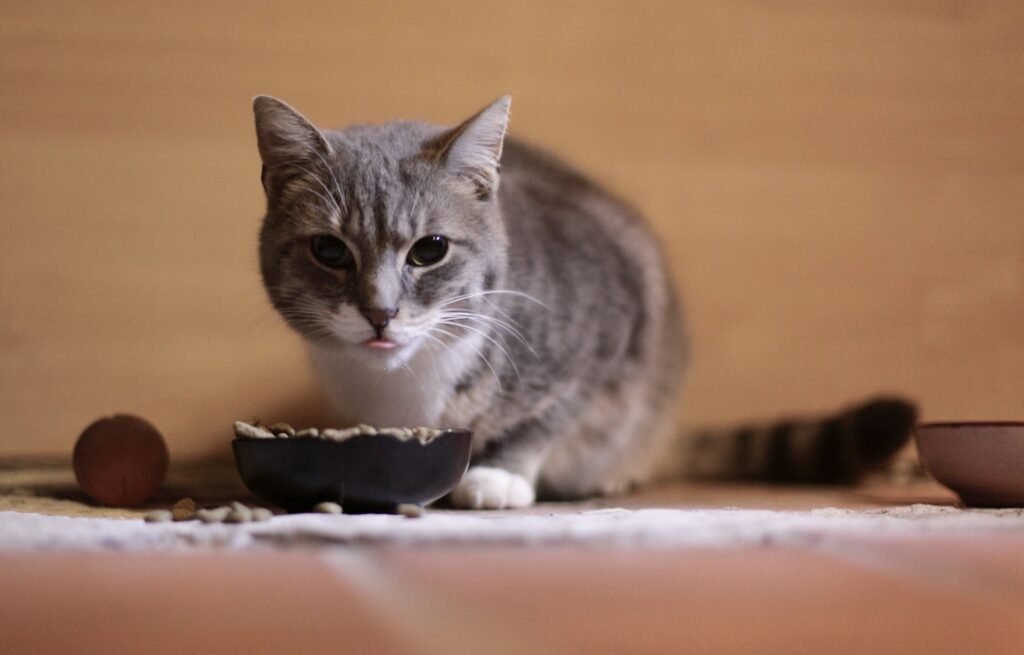
A cat that simply turns away from food is one thing. A cat that is both not eating and lethargic is a different situation entirely — and one that warrants prompt attention.
If your cat is suddenly lethargic and not eating, this combination is one of the clearest signals that something medical is going on. As we discussed in our guide to how often cats should see the vet — cats instinctively hide illness. By the time lethargy and appetite loss appear together, your cat may have been unwell for longer than you realise.
What “Lethargic” Actually Means in Cats
Lethargy is more than just sleeping a lot. Cats naturally sleep 12-16 hours per day — as we covered in our guide to why cats sleep so much — so extra sleep alone is not necessarily lethargy.
True lethargy looks like: not responding to stimulation, unwillingness to move, glassy or dull eyes, no interest in interaction, and a general blankness that is distinctly different from your cat’s normal personality.
If your cat is not eating AND showing true lethargy — contact your vet the same day.
Why Is My Cat Vomiting and Not Eating?
Vomiting combined with not eating is another combination that should not be ignored. There is an important distinction here between occasional vomiting — which is relatively common in cats — and vomiting alongside appetite loss.
Occasional Vomiting
Cats vomit more readily than most animals. Hairballs, eating too fast, or mild stomach upset can cause a single vomiting episode that is followed by normal eating. This is generally not a concern.
Vomiting Yellow Liquid and Not Eating
If your cat is vomiting yellow liquid and not eating, this is more significant. Yellow vomit is usually bile — which appears when a cat vomits on an empty stomach. This can indicate nausea, gastrointestinal upset, liver issues, or pancreatitis.
A cat vomiting bile and refusing food for more than 24 hours needs veterinary attention. Do not wait this one out.
Vomiting and Not Eating Together
Repeated vomiting combined with complete food refusal — especially alongside lethargy, hiding, or abdominal pain — can indicate serious conditions including intestinal obstruction, kidney disease, pancreatitis, or poisoning.
If your cat has vomited more than twice in 24 hours and is refusing all food, call your vet.
Why Is My Kitten Not Eating? — Special Considerations
Kittens have different nutritional needs and vulnerability levels than adult cats. A kitten not eating is more urgent than an adult cat in the same situation — small bodies have much less reserve.
How Long Can a Kitten Go Without Eating?
Adult cats can sometimes safely go 24 hours without eating. Kittens — especially those under 8 weeks — should not go more than a few hours without nutrition. Their blood sugar can drop dangerously fast.
If your kitten is not eating for more than 12 hours, contact your vet. Do not wait.
Common Reasons Kittens Stop Eating
- Stress from rehoming: The first few days in a new home are overwhelming for kittens. Offer small amounts of food frequently in a quiet space.
- Weaning transition: Kittens transitioning from mother’s milk to solid food may be unsure how to approach a bowl. Try mixing wet kitten food with a little warm water to create a more familiar consistency.
- Illness: Kittens are more susceptible to upper respiratory infections, parasites, and other conditions that suppress appetite. Any kitten not eating and sleeping a lot should be seen by a vet promptly.
- Wrong food type: Kittens need kitten-specific food — the caloric and nutritional profile of adult cat food is not appropriate for growing kittens and they may instinctively resist it.
Medical Conditions That Cause Cats to Stop Eating
If your cat’s appetite loss is not explained by any of the lifestyle or environmental factors above, a medical condition may be responsible. Here are the most common causes a vet will investigate:
| Condition | Other Signs | Urgency |
|---|---|---|
| Kidney disease | Increased thirst, weight loss, vomiting | Vet within 24 hours |
| Hyperthyroidism | Weight loss despite eating, hyperactivity | Vet this week |
| Dental disease | Drooling, pawing at mouth, food dropping | Vet this week |
| Pancreatitis | Vomiting, abdominal pain, lethargy | Vet within 24 hours |
| Upper respiratory infection | Sneezing, runny nose, eye discharge | Vet within 24 hours |
| Intestinal obstruction | Vomiting, straining, no stool | Emergency vet immediately |
| Liver disease | Yellow tinge to skin/eyes, lethargy | Emergency vet |
| Diabetes | Increased thirst and urination | Vet this week |
| Cancer | Weight loss, lumps, behaviour change | Vet this week |
| Nausea from medication | Started recently after new medication | Call vet for advice |
How Long Can a Cat Go Without Eating?
This is one of the most common questions from worried cat owners — and the answer matters.
A healthy adult cat can technically survive 24-48 hours without eating. However, cats are uniquely susceptible to a dangerous condition called hepatic lipidosis (fatty liver disease) that can develop when cats go without food for as little as 2-3 days, particularly in overweight cats.
Hepatic lipidosis occurs when the body breaks down fat reserves too rapidly in response to starvation — overwhelming the liver. It is one of the most serious and most preventable conditions in cats.
Do not wait longer than 24 hours before consulting your vet if your cat is not eating. Err on the side of caution — a phone call to your vet costs nothing and gives you peace of mind.
What to Do When Your Cat Won’t Eat — Practical Steps
Before calling the vet, try these steps to rule out simple causes:
Step 1 — Check the food itself. Is it fresh? Has the packaging changed? Is the bowl clean? Cats will refuse food from a dirty bowl or food that has been sitting out too long.
Step 2 — Try a different food. Offer a small amount of a different texture — if they normally eat dry, try wet. A small amount of low-sodium chicken broth over food can stimulate appetite.
Step 3 — Warm the food. Warming wet food to just above room temperature enhances its aroma significantly and often triggers appetite in reluctant eaters.
Step 4 — Reduce stress. If there have been changes in your home, give your cat a quiet retreat with their food, water, and litter box away from the source of stress.
Step 5 — Check for obvious physical issues. Look at their mouth, gums, and teeth. Check if they are drinking water. Feel for any lumps or swelling. Note any other symptoms.
Step 6 — Call your vet. If none of the above resolves the issue within 24 hours — or if any additional symptoms are present — call your vet. Do not wait.
Recommended Products to Help a Picky or Unwell Eater
A cat water fountain encourages hydration in cats that may be avoiding water along with food — dehydration accelerates quickly in a cat that is not eating or drinking. Many cats are more drawn to moving water than a still bowl.
A puzzle feeder or slow feeder bowl can reignite interest in food for cats that have become bored with their feeding routine — particularly useful for cats that stop eating out of a standard bowl but respond to something more stimulating.
FAQ — Why Is My Cat Not Eating?
Q: Why is my cat not eating but acting normal?
A: A cat that is not eating but seems otherwise fine — playful, alert, interested in their environment — is less urgent than one showing additional symptoms. Try changing the food, warming it, or cleaning the bowl. If the issue persists beyond 24 hours, call your vet.
Q: Why won’t my cat eat wet food?
A: Some cats develop a texture preference for dry food and resist wet food. Try warming the wet food, mixing a small amount with their preferred dry food, or trying a different protein flavour. Gradual transitions over 7-10 days work better than abrupt changes.
Q: Why is my cat not eating or drinking?
A: A cat refusing both food and water is more serious than food refusal alone. Dehydration develops quickly in cats. If your cat has not eaten or drunk anything for 12-24 hours, contact your vet the same day.
Q: Why is my elderly cat not eating?
A: Senior cats have reduced senses of smell and taste, which diminishes appetite. They also have higher rates of dental disease, kidney disease, and hyperthyroidism — all of which suppress appetite. An elderly cat not eating warrants a vet visit within 24 hours.
Q: Why is my cat not eating after surgery or neutering?
A: It is normal for cats to eat less for 24-48 hours after anaesthesia. Offer small, easily digestible meals during this period. If appetite has not returned within 48-72 hours post-surgery, contact your vet.
Conclusion
If you are asking “why is my cat not eating?” — the first step is staying calm and observing. A cat that skips one meal and is otherwise normal is often just being a cat. But a cat that has not eaten for 24 hours, is lethargic, vomiting, hiding, or showing any other additional symptoms needs veterinary attention promptly.
The most important thing to remember: cats cannot safely go without food for extended periods. When in doubt, call your vet. Early intervention almost always leads to better outcomes — and it gives you the peace of mind you need as a caring pet parent.
Your cat cannot tell you what is wrong. But you know your cat better than anyone — and your instinct that something is off is always worth taking seriously.
Also read: Why does my cat sleep so much? | How often should I take my cat to the vet?