


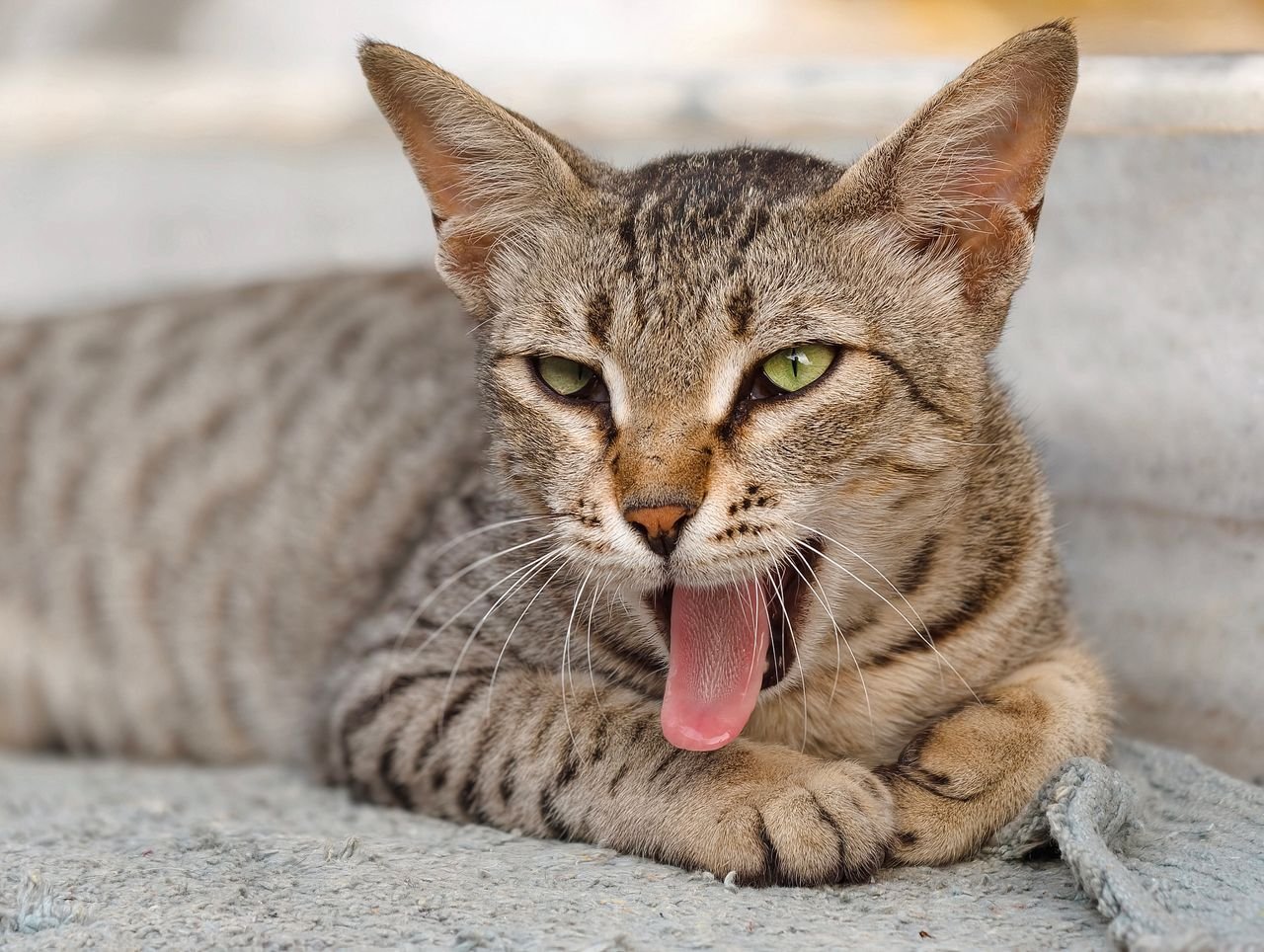

A coughing cat is not something to brush off. Unlike dogs, cats do not cough often — so when your cat has a cough, it usually means something is irritating or affecting their respiratory system. Some causes are minor and resolve quickly. Others need prompt veterinary attention.
This guide helps you identify what kind of cough your cat has, what is likely causing it, and when to act.
What Does a Cat Cough Look and Sound Like?
Many owners mistake a coughing cat for one that is trying to bring up a hairball — the posture is similar. A coughing cat typically:
- Crouches low with neck extended forward
- Makes a repetitive hacking, wheezing, or retching sound
- May gag at the end of the cough without producing anything
- Returns to normal behaviour quickly if the cough is mild
Key difference from a hairball: A hairball attempt usually ends with the cat vomiting up a cylindrical mass of fur. A cough produces nothing, or produces only small amounts of clear or foamy fluid.
Common Causes of Coughing in Cats
Feline Asthma
The most common cause of chronic coughing in cats. Feline asthma is an allergic airway condition where the bronchial tubes become inflamed and constricted, causing coughing, wheezing, and in severe cases, difficulty breathing.
Signs of feline asthma:
- Recurring coughing or wheezing episodes
- Crouched posture with neck extended during episodes
- Open-mouth breathing during or after an attack
- Coughing triggered by stress, cold air, or irritants
Feline asthma is managed rather than cured — most cats require an inhaler or oral medication long-term.
Upper Respiratory Infection
Cat flu caused by feline herpesvirus or calicivirus can cause coughing alongside sneezing, nasal discharge, and lethargy. If your cat is also sneezing, see our cat sneezing guide for more detail on respiratory infections.
Hairballs
Occasional coughing or retching associated with hairball production is normal, particularly in long-haired breeds. If hairball-related coughing is frequent, dietary changes or hairball remedies can help reduce frequency.
Heart Disease
Cats with heart disease — particularly hypertrophic cardiomyopathy (HCM), the most common feline heart condition — can develop fluid around the lungs (pleural effusion), causing coughing and laboured breathing. This is more common in older cats and certain breeds including Maine Coons and Ragdolls.
Lungworm or Heartworm
Parasitic infections affecting the lungs or heart can cause chronic coughing. Heartworm in cats is less common than in dogs but does occur, and treatment is more limited — prevention is significantly more important.
Foreign Body
A grass seed, small piece of food, or other foreign material lodged in the airway causes sudden, intense coughing. This is an emergency — see below.
Pleural Effusion
Fluid accumulation around the lungs from various causes (heart disease, infection, tumour) causes progressive breathing difficulty and coughing. This requires urgent veterinary drainage.
Cough Type — What It Might Mean
| Cough Type | Likely Cause |
|---|---|
| Dry, hacking cough | Asthma, hairball, irritant |
| Wet, productive cough | Infection, pneumonia |
| Wheezing alongside cough | Asthma |
| Cough with open-mouth breathing | Severe asthma attack, heart disease |
| Sudden intense cough | Foreign body — emergency |
| Chronic low-grade cough | Asthma, heartworm, heart disease |
| Cough with weight loss | Infection, tumour |
When to See the Vet
Book an appointment within 24–48 hours if:
- Coughing has persisted for more than 2 days
- Your cat is coughing repeatedly throughout the day
- Cough is accompanied by lethargy or reduced appetite
- You notice any wheezing between coughs
Go to the vet same day if:
- Your cat is breathing with mouth open at rest
- Breathing looks laboured — sides heaving, nostrils flaring
- Gums look pale, grey, or blue — this is an emergency
- Coughing started suddenly and intensely, suggesting a foreign body
Go to an emergency vet immediately if:
- Your cat cannot catch their breath
- Gums or tongue are blue or grey
- Your cat is collapsed or unresponsive
What NOT to Do
- Do not give human cough medicines — they are toxic to cats
- Do not wait and see with laboured breathing or blue gums
- Do not assume all coughing is hairballs — persistent coughing always has a cause worth investigating
Treatment — What to Expect at the Vet
Your vet will examine your cat and may recommend:
- Chest X-ray to check lungs and heart
- Blood tests
- Bronchoscopy in complex cases
- For asthma: corticosteroid inhaler (using a pet spacer device) or oral prednisolone
- For infection: antibiotics or antifungals
- For heart disease: diuretics to reduce fluid, heart medications
- For foreign body: immediate removal under sedation
Reducing Coughing Triggers at Home
For cats diagnosed with asthma, reducing airway irritants makes a significant difference:
- Switch to unscented, low-dust cat litter
- Avoid aerosol sprays, air fresheners, and candles near your cat
- Do not smoke indoors
- Vacuum regularly to reduce dust and allergens
- Use a HEPA air purifier in rooms where your cat spends most time
My Cat Has a Cough — FAQ
Is cat coughing contagious to other cats? If caused by an upper respiratory infection — yes, highly. Keep a coughing cat separated from other cats until cleared by your vet. Asthma and heart disease are not contagious.
My cat coughs once or twice a day — is this serious? Any cough that occurs daily and persists beyond a week warrants a vet check, even if your cat seems well otherwise. Low-grade chronic coughing is often the first sign of asthma or early heart disease.
Can cat asthma be cured? No — feline asthma is a chronic condition that is managed rather than cured. With appropriate medication and trigger reduction, most asthmatic cats live comfortable, normal lives.
My cat coughs mainly at night — why? Coughing that worsens at night or when lying down can suggest fluid around the lungs or heart disease, as fluid redistributes when the cat lies flat. This pattern warrants prompt veterinary investigation.
How is feline asthma different from a human asthma attack? The mechanism is similar — airway inflammation and constriction — but cats cannot tell you they are struggling to breathe until it becomes obvious. The crouched, neck-extended posture during a coughing episode is the key visual signal owners learn to recognise.
Also read: My Cat Is Sick — Signs, Symptoms and When to See a Vet | Why Is My Cat Sneezing? | My Cat Has a Fever | How to Tell If Your Cat Is in Pain