


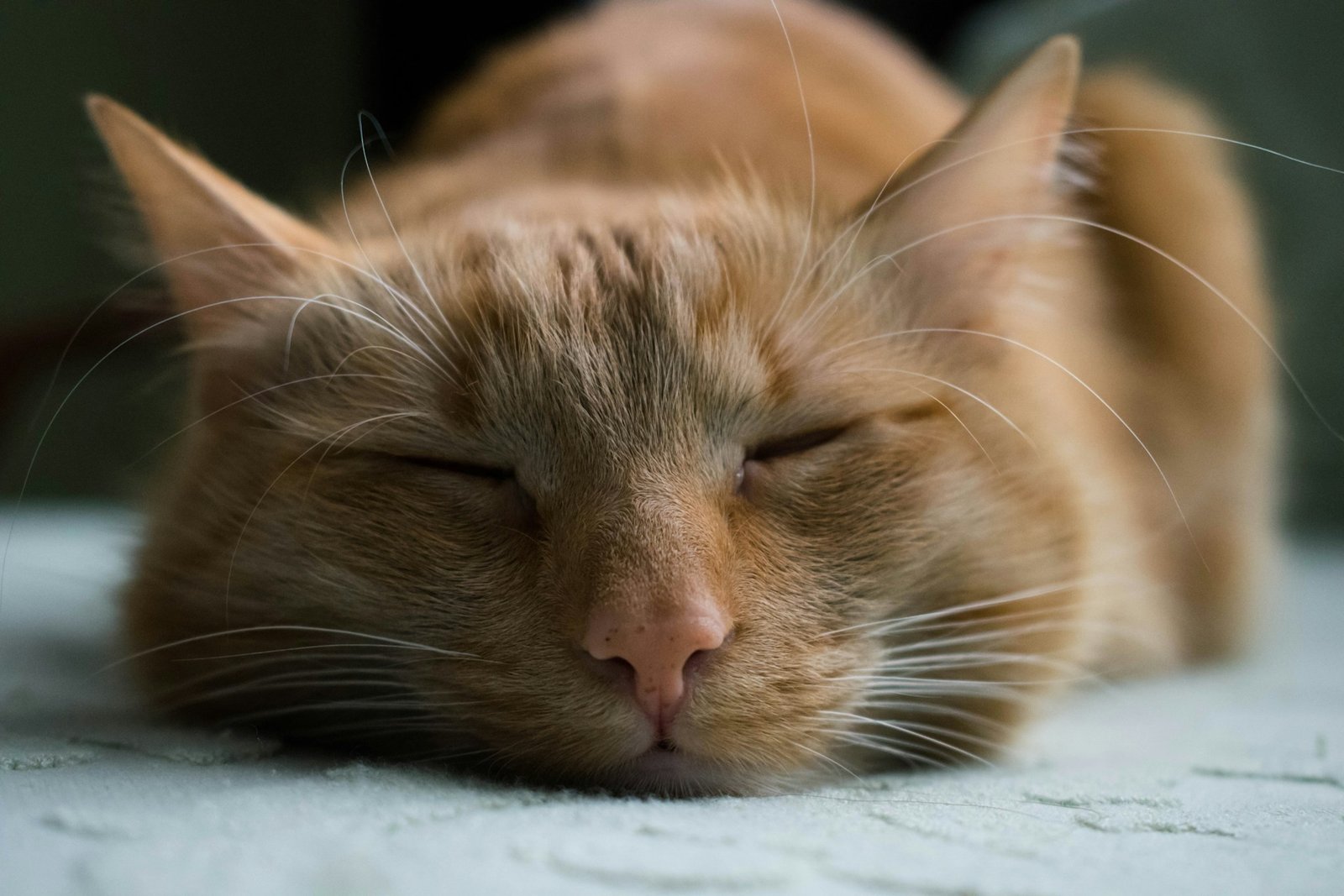

A cat with a fever is uncomfortable, often stops eating, and can deteriorate quickly if the underlying cause is not identified and treated. The challenge is that cats cannot tell you they feel hot — and unlike humans, you cannot simply press a hand to their forehead and get a reliable reading.
This guide covers how to tell if your cat has a fever, what causes it, when to act, and what to do while you wait for the vet.
What Is a Normal Cat Temperature?
A healthy cat’s body temperature sits between 100.5°F and 102.5°F (38°C–39.2°C). Anything above 103°F (39.4°C) is considered a fever. A temperature above 106°F (41.1°C) is a medical emergency — organ damage can occur rapidly at this level.
How to Tell If Your Cat Has a Fever — Without a Thermometer
You cannot accurately diagnose a fever without a thermometer, but these signs strongly suggest your cat’s temperature is elevated:
- Warm, dry nose — not reliable on its own but worth noting alongside other signs
- Ears feel hot to the touch compared to normal
- Lethargy and weakness — your cat seems exhausted and uninterested in normal activity
- Loss of appetite — refusing food or eating far less than usual
- Shivering or shaking — cats can shiver even when running a fever, as the body attempts to raise temperature further
- Rapid breathing at rest
- Coat looks rough or unkempt — a sick cat stops grooming
- Hiding — seeking out dark, quiet corners
These signs together paint a clear picture. But a thermometer gives you certainty.
How to Take Your Cat’s Temperature at Home
The only accurate method is a rectal thermometer. Use a digital thermometer — not a glass one — with a small amount of petroleum jelly as lubricant.
- Have a second person gently restrain your cat, wrapping them in a towel if needed
- Lift the tail and gently insert the thermometer about 1 inch into the rectum
- Hold in place until the thermometer beeps
- Read and record the temperature
Most cats do not enjoy this process. If your cat becomes distressed or aggressive, stop and take them to the vet rather than risking injury to yourself or your cat.
What Causes a Fever in Cats?
A fever is not an illness itself — it is the body’s response to something else. Common causes include:
Infection — bacterial, viral, or fungal infections are the most common cause. Upper respiratory infections (cat flu), abscesses from bite wounds, and urinary tract infections are frequent culprits.
Inflammation — immune system conditions, inflammatory bowel disease, or pancreatitis.
Injury or abscess — a bite wound from a fight with another cat often develops into an abscess within 2–5 days, causing a significant fever.
Vaccination reaction — a mild fever in the 24–48 hours after a vaccine is common and usually resolves on its own.
Toxin ingestion — certain poisons cause fever alongside other symptoms.
Unknown cause — vets sometimes use the term “fever of unknown origin” (FUO) when no obvious cause is found on initial examination, requiring further investigation.
When to Call the Vet
Call your vet same day if your cat:
- Has a temperature above 103°F (39.4°C)
- Has been off food for more than 24 hours
- Is lethargic and not improving
- Has other symptoms alongside the fever (sneezing, vomiting, difficulty breathing, limping)
Go to an emergency vet immediately if:
- Temperature is above 106°F (41.1°C)
- Your cat is collapsed, unresponsive, or having a seizure
- Breathing is laboured or your cat is open-mouth breathing
What NOT to Do
Never give your cat human fever medication. Paracetamol (acetaminophen/Tylenol) is fatal to cats — even a small amount causes severe liver failure and red blood cell damage. Ibuprofen and aspirin are equally toxic. There is no safe human fever medication for cats.
Only a vet can safely treat a cat’s fever, typically by addressing the underlying cause — antibiotics for bacterial infection, antivirals for certain viral conditions, and supportive care including fluids if the cat is dehydrated.
What to Do While Waiting for the Vet
- Keep your cat in a cool, quiet, comfortable space
- Offer fresh water — fever causes dehydration and a sick cat may drink more if water is easily accessible
- Do not force food, but offer something highly palatable like plain cooked chicken if your cat shows any interest
- Note the temperature reading, when symptoms started, and any other changes in behaviour to report to your vet
- Keep other pets away to reduce stress
Post-Vaccine Fever — When Is It Normal?
A mild temperature elevation (up to 103°F/39.4°C) in the 24–48 hours after vaccination is a normal immune response and usually resolves without treatment. Your cat may be quieter than usual and eat less for a day. This is expected.
Contact your vet if:
- The fever persists beyond 48 hours after vaccination
- Temperature exceeds 104°F (40°C)
- Your cat is vomiting, has severe lethargy, or shows facial swelling (a sign of allergic reaction)
My Cat Has a Fever — FAQ
Can a cat’s fever go away on its own? Sometimes — mild fevers caused by minor infections can resolve. However, any fever above 103°F that persists more than 24 hours, or that comes with other symptoms, needs veterinary attention. Fevers do not self-resolve when there is a serious underlying cause.
How long can a cat have a fever before it becomes dangerous? A high fever (above 104°F/40°C) sustained for more than 24–48 hours can cause dehydration and organ stress. Above 106°F (41.1°C) is dangerous within hours. Do not wait and see with a high reading.
Is a warm nose a sign of fever in cats? Not reliably. A cat’s nose can be warm and dry for many reasons that have nothing to do with fever — including recent sleep, stress, or normal variation. The nose alone is not a diagnostic tool. Use a thermometer for accuracy.
My cat had a fever after a fight with another cat — what should I do? Cat bite wounds frequently develop into abscesses and cause significant fever 2–5 days after the injury. The wound may look minor on the surface while developing a pocket of infection underneath. See your vet — bite wound abscesses almost always need antibiotic treatment and sometimes drainage.
If your cat has a high fever or is showing signs of serious illness, please contact your vet or emergency animal hospital now.
Also read: My Cat Is Sick — Signs, Symptoms and When to See a Vet | How to Tell If Your Cat Is in Pain | Why Is My Cat Losing Weight | How Long Do Cats Live