


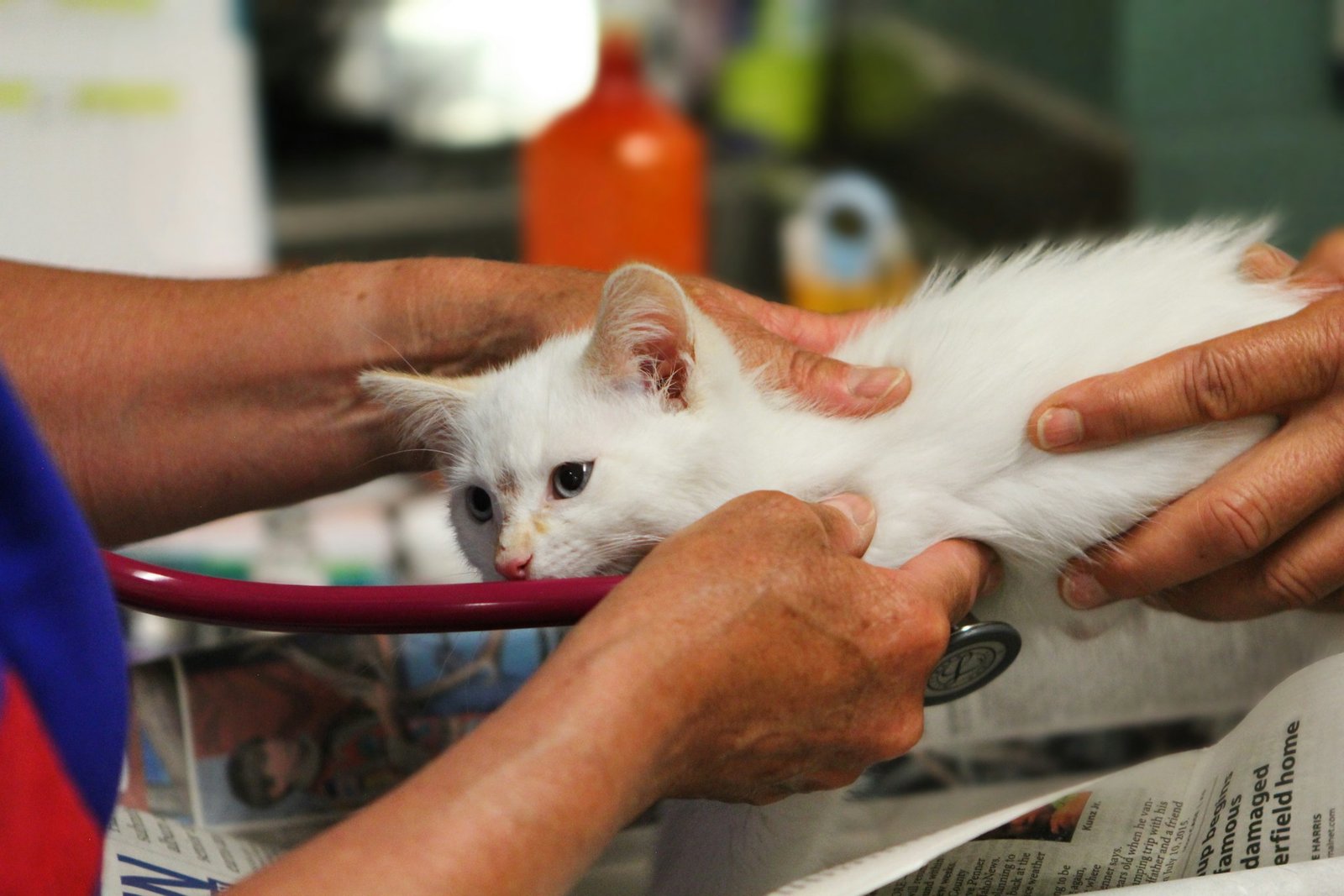

Most cat owners know they should take their cat to the vet — but very few know exactly how often. Is once a year enough? Do indoor cats need less frequent visits than outdoor cats? How often should a kitten go to the vet in their first year? And what about senior cats?
The answer depends on your cat’s age, health status, and lifestyle — and getting it right can mean the difference between catching a health problem early and missing it until it becomes serious and expensive to treat.
This complete guide tells you exactly how often to take your cat to the vet at every life stage, what happens during each type of visit, what signs should send you to the vet immediately, and how to make vet visits less stressful for both you and your cat.
The Quick Answer — How Often Should Cats Go to the Vet?
| Life Stage | Recommended Vet Visits |
|---|---|
| Kittens (0-4 months) | Every 3-4 weeks until 16 weeks old |
| Kittens (4-12 months) | Every 1-2 months for boosters and check-ins |
| Young adult cats (1-6 years) | Once per year — annual wellness exam |
| Middle-aged cats (7-10 years) | Once per year minimum — ideally twice |
| Senior cats (10+ years) | Every 6 months — bi-annual wellness exam |
| Cats with chronic conditions | As directed by your vet — often every 3-6 months |
Keep reading for the full breakdown of why these schedules exist and what each visit covers.
How Often Should a Kitten Go to the Vet?
The first year of a kitten’s life requires the most frequent vet visits of any life stage. How often kittens need to go to the vet surprises many first-time cat owners — but the schedule exists for important medical reasons.
Weeks 6-16 — Core Vaccination Series
Kittens receive maternal antibodies from their mother that protect them in early life — but these antibodies fade between 6 and 16 weeks of age, leaving a window of vulnerability. The core vaccination series is timed to fill this window as it closes.
Standard kitten vet schedule:
First visit (6-8 weeks):
- First FVRCP vaccine (Feline Viral Rhinotracheitis, Calicivirus, Panleukopenia)
- Physical examination — weight, eyes, ears, heart, lungs
- Fecal test for intestinal parasites
- Discussion of nutrition, litter training, and socialization
Second visit (10-12 weeks):
- Second FVRCP booster
- First FeLV vaccine (Feline Leukemia — recommended for all kittens)
- Deworming if needed
- Microchipping discussion
Third visit (14-16 weeks):
- Third FVRCP booster
- Rabies vaccine (required by law in most US states and Canadian provinces)
- Second FeLV booster
- Discussion of spay/neuter timing
4-6 months:
- Spay or neuter procedure
- Post-operative follow-up
Why So Many Kitten Vet Visits?
Each booster builds on the last — the vaccine series only works if all doses are given on schedule. Skipping or delaying a booster can leave your kitten unprotected. How often kittens need checkups in this window is driven entirely by the vaccination timeline, not unnecessary clinic visits.
How Often Should an Adult Cat Go to the Vet?
For healthy adult cats between 1 and 6 years old, the standard recommendation is once per year for an annual wellness exam.
Many cat owners ask: how often should indoor cats go to the vet compared to outdoor cats? The honest answer is — indoor cats still need annual visits even though their risk profile is lower. Here is why:
What happens at an annual cat wellness exam:
- Complete physical examination — weight, body condition score, teeth, gums, eyes, ears, heart, lungs, abdomen, lymph nodes, skin and coat
- Vaccine boosters as needed (FVRCP every 1-3 years depending on vaccine type, rabies annually or every 3 years)
- Parasite prevention discussion — flea, tick, and heartworm
- Blood pressure check if indicated
- Dental health assessment
- Nutrition and weight management discussion
- Any behavioural changes or concerns you have noticed
Why indoor cats need annual vet visits too:
The most common serious health conditions in cats — dental disease, kidney disease, hyperthyroidism, diabetes, heart disease — are not prevented by staying indoors. They develop silently over time regardless of lifestyle. Annual exams catch these conditions in early, treatable stages.
A cat that looks perfectly healthy to you may have early kidney disease that a blood panel will detect. Dental disease affects approximately 70% of cats by age 3 and is only identifiable with a thorough oral examination.
How Often Should a Senior Cat See the Vet?
This is where the schedule changes most significantly. How often senior cats should go to the vet increases to every 6 months — bi-annual wellness exams — for cats aged 10 and older.
Cats age faster than humans and their health can change significantly within a 6-month period. Conditions that senior cats are prone to — kidney disease, hyperthyroidism, hypertension, arthritis, diabetes, dental disease — progress quickly if undetected.
What a senior cat vet visit includes (in addition to standard exam):
- Blood panel: Comprehensive chemistry panel assessing kidney function, liver function, thyroid levels, blood glucose, and more
- Urinalysis: Early kidney disease often shows in urine before blood values change — catching it early dramatically improves outcomes
- Blood pressure measurement: Hypertension is common in senior cats and often secondary to kidney disease or hyperthyroidism
- Thyroid palpation and testing: Hyperthyroidism is one of the most common senior cat conditions — easily managed when caught early
- Arthritis assessment: Many senior cats have significant joint pain that owners do not detect because cats hide pain instinctively
- Dental assessment: Senior cats almost universally have dental disease requiring management
The cost of two annual visits for a senior cat is significantly less than treating an advanced disease that twice-yearly screening would have caught early.
How Often Do Cats Need Checkups — Summary by Situation
Beyond the standard life-stage schedule, certain situations require additional vet contact:
Cats With Chronic Conditions
If your cat has been diagnosed with kidney disease, diabetes, hyperthyroidism, heart disease, or another chronic condition — how often your cat should see the vet is determined by their specific condition and your vet’s protocol. Typically every 3-6 months for monitoring and medication management.
After Adoption
Any newly adopted cat — regardless of age or the shelter’s health records — should see a vet within the first week of coming home. This establishes a baseline and confirms vaccination status, parasite status, and overall health.
After Any Procedure
Post-operative visits following spay/neuter or any other procedure are part of standard recovery monitoring. Do not skip these even if your cat appears to be recovering well.
When You Notice Changes
Regardless of when you last visited the vet — schedule an appointment any time you notice significant changes in your cat’s behaviour, appetite, litter box habits, weight, or activity level.
Signs Your Cat Needs a Vet Visit — Do Not Wait for the Annual Appointment
Knowing how often to take your cat to the vet for scheduled wellness visits is important — but recognizing when an unscheduled visit is needed is equally critical.
As we discussed in our guide on signs your cat may be sick — cats instinctively hide illness. By the time symptoms are obvious, the condition has often progressed significantly.
Go to the vet promptly if you notice:
- Not eating for more than 24-48 hours
- Significant increase or decrease in water consumption
- Changes in litter box habits — straining, blood in urine, not using the box
- Sudden weight loss or gain
- Laboured breathing or open-mouth breathing
- Vomiting more than once or twice per week
- Diarrhoea lasting more than 24 hours
- Lethargy or hiding significantly more than their normal (see our guide on cat sleep patterns for what is normal)
- Limping or reluctance to jump
- Discharge from eyes or nose
- Swollen abdomen
- Any sudden behavioural change
Go to an emergency vet immediately for:
- Difficulty breathing
- Suspected poisoning or toxin ingestion
- Trauma — being hit by a car, falling from height, animal attack
- Seizures
- Complete inability to urinate — this is a life-threatening emergency in male cats especially
- Collapse or extreme weakness
- Pale or blue gums
How to Make Vet Visits Less Stressful for Your Cat
One of the main reasons cat owners delay or skip vet visits is the stress involved — both for the cat and for themselves. Understanding how to reduce this stress makes it much easier to keep your cat on the recommended schedule.
Use the Right Cat Carrier
The carrier itself is often the first source of stress. Many cats only see their carrier when a vet visit is imminent — making it a signal for something stressful.
The solution: Leave the carrier out in your home permanently as a piece of furniture. Put a comfortable blanket inside, occasionally place treats or toys in it. Your cat will begin to see it as a neutral or positive space rather than a signal of stress.
Recommended carrier features:
- Top-loading as well as front-loading — top loading allows a vet to examine a cat without fully removing them from the carrier, significantly reducing stress
- Solid sides rather than mesh — reduces visual stimulation and overstimulation
- Machine-washable liner — for inevitable accidents during stressful travel
- Secure latches your cat cannot open
Use Pheromone Sprays
Synthetic feline pheromone sprays — such as Feliway — mimic the natural calming pheromones cats produce. Spraying the inside of the carrier 15-30 minutes before travel can meaningfully reduce travel anxiety.
Cover the Carrier
A towel or blanket draped over the carrier during travel reduces visual stimulation and helps your cat feel hidden and secure.
Schedule Morning Appointments
Many cats are calmer earlier in the day before the clinic becomes busy and noisier. Morning appointments also tend to have shorter wait times.
Ask About Cat-Friendly Clinics
Some veterinary practices are certified as cat-friendly — with separate waiting areas for cats and dogs, quieter handling protocols, and staff trained specifically in low-stress feline handling. If vet visit stress is a significant issue for your cat, seeking out a cat-friendly practice is worth the extra effort.
The Real Cost of Skipping Vet Visits
Many cat owners skip annual vet visits because of cost — and this is understandable. But the financial logic actually works the other way.
Early detection costs less than late treatment:
- Early kidney disease managed with diet and monitoring: $50-100 per year
- Advanced kidney disease requiring IV fluids, hospitalization, and ongoing medication: $1,000-5,000+
- Dental cleaning catching early dental disease: $200-400
- Dental extraction surgery for advanced untreated dental disease: $800-2,000+
- Hyperthyroidism caught at annual exam, managed with medication: $30-60/month
- Hyperthyroidism caught late with secondary heart and kidney damage: Significantly more complex and expensive to manage
Annual wellness exams typically cost $50-150 depending on location and what is included. This investment in preventive care almost always costs less over your cat’s lifetime than treating conditions that were allowed to progress undetected.
Pet insurance is worth considering for cat owners who want predictable monthly costs rather than unpredictable large vet bills. Insuring a kitten before any pre-existing conditions develop gives the best coverage at the lowest premium.
Frequently Asked Questions
Q: How often should I take my cat to the vet? A: Kittens need visits every 3-4 weeks until 16 weeks old. Adult cats (1-6 years) need annual wellness exams. Senior cats (10+) should visit every 6 months.
Q: How often should an indoor cat go to the vet? A: Indoor cats still need annual vet visits. They are protected from some outdoor risks but equally susceptible to internal health conditions like dental disease, kidney disease, and hyperthyroidism that require professional detection.
Q: How often do cats need checkups if they seem healthy? A: Once per year for adult cats, twice per year for seniors. Cats that appear healthy can have developing health conditions that only a physical exam and blood work will detect.
Q: How often should a kitten go to the vet in their first year? A: Every 3-4 weeks from 6-16 weeks for the core vaccine series, then every 1-2 months for boosters, then annually after 1 year.
Q: How often do cats need vaccines? A: Core vaccines (FVRCP) are given annually or every 3 years depending on vaccine type. Rabies is given annually or every 3 years depending on local law and vaccine type. Your vet will advise the correct schedule for your cat.
Q: At what age does a cat become senior and need more frequent vet visits? A: Most vets consider cats senior at 10 years and recommend bi-annual (every 6 months) wellness exams from this point.
Conclusion
How often you should take your cat to the vet depends entirely on their life stage:
- Kittens: Every 3-4 weeks during the vaccine series, then monthly until 6 months
- Adult cats (1-6 years): Once per year
- Senior cats (10+): Every 6 months
- Cats with health conditions: As your vet recommends
The annual wellness exam is not just about vaccines — it is a comprehensive health assessment that catches developing problems before they become serious. And for senior cats, the twice-yearly schedule is one of the most impactful things you can do to extend both the length and quality of their life.
Do not wait until your cat seems sick to visit the vet. By the time cats show obvious symptoms, they have often been unwell for some time. Preventive care — scheduled, consistent, and appropriate for their age — is the foundation of a long, healthy, happy life for your cat.